Guinea landfill collapse kills 30 in Conakry after heavy rains
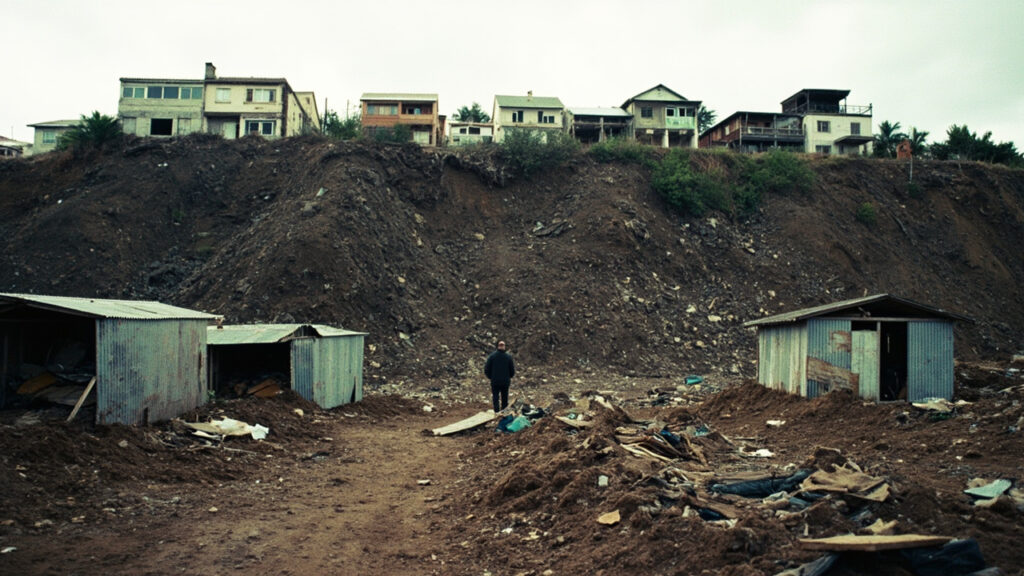
A landfill in Guinea’s capital Conakry collapsed onto neighbouring homes following heavy rains, killing at least 30 people, according to Africanews. Residents in the surrounding area have been left to grapple with the aftermath of the disaster, which struck after persistent rainfall triggered the partial collapse of the waste site and sent debris tumbling into adjacent residential structures.
The incident has caused widespread destruction in the densely populated neighbourhood, where emergency response efforts have been underway. As Africanews reported, families in the affected area are now counting their losses amid scenes of flattened homes and displaced households.
A capital under pressure

Conakry, Guinea’s largest city and administrative capital, sits on a narrow peninsula along the Atlantic coast and is home to more than two million residents. The city has long faced challenges linked to rapid urbanisation, including the management of municipal waste in a context where formal sanitation infrastructure has struggled to keep pace with population growth. Landfill sites around the capital have repeatedly drawn concerns from residents living nearby, who have raised alarms about safety and environmental risks.
Seasonal vulnerability
Heavy seasonal rains are a recurring feature of Guinea’s coastal climate, with the wet season typically running from May through October. Such downpours have previously triggered flooding and landslides across the wider West African region. In Conakry, the combination of steep terrain, informal housing, and ageing waste sites has left certain neighbourhoods particularly exposed during periods of intense rainfall.
As residents come to terms with the scale of the loss, attention is likely to turn to questions about urban planning, waste management and disaster preparedness in one of West Africa’s fastest-growing capitals.
Sources
This report was written from coverage published by the following news organisations. Follow the links for the original reporting.