EU Imposes Ban on Sudanese Gold Imports, Restricts Mining Chemical Exports
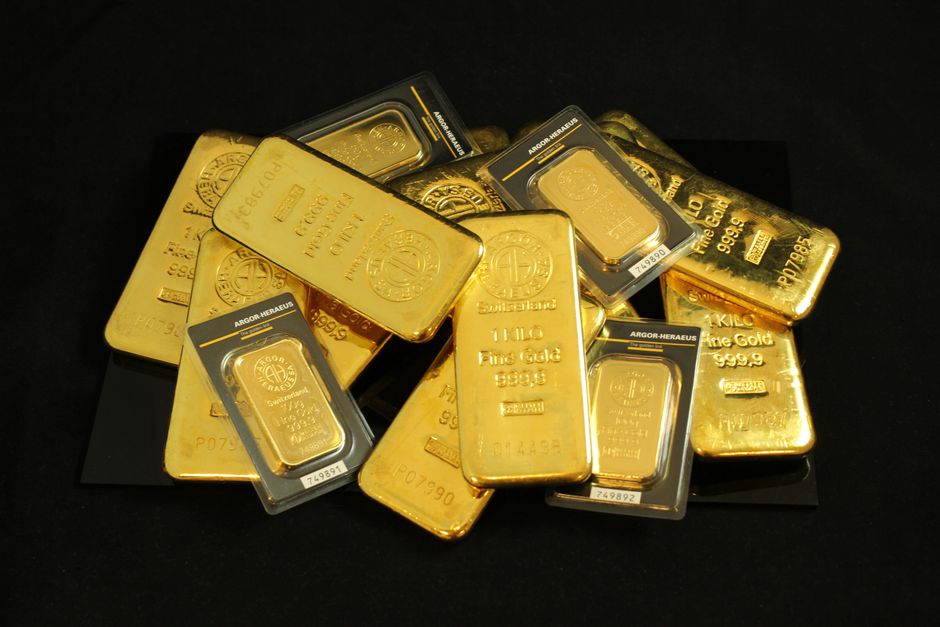
The European Union has announced a new round of sanctions against Sudan, banning imports of gold from the country and restricting exports of mercury and cyanide, two chemicals widely used in artisanal gold mining. The measures are part of a broader effort to choke off financial resources fueling Sudan’s protracted armed conflict.
Targeting the War Economy
Gold has long been identified by international observers as one of the principal revenue streams sustaining the warring parties in Sudan, where fighting between the Sudanese Armed Forces and the paramilitary Rapid Support Forces has displaced millions of people and triggered one of the world’s worst humanitarian crises. By prohibiting EU-based companies and traders from sourcing Sudanese gold, Brussels aims to disrupt what analysts describe as a critical pillar of the war economy.
Mercury and cyanide, the two chemicals now restricted for export to Sudan, are commonly used in small-scale and industrial gold extraction. Limiting their availability is expected to further constrain gold production, complicating the ability of armed actors to monetize mineral resources.
Broader Sanctions Framework
The new measures are embedded in a wider sanctions regime that the EU has progressively expanded since the outbreak of war. Previous packages have targeted individuals and entities on both sides of the conflict, including military leaders, businessmen, and companies accused of profiting from the violence or contributing to its financing. Asset freezes and travel bans have been central tools of this policy.
European officials have consistently framed the sanctions as a means of increasing pressure on the parties to the conflict to negotiate, while also seeking to limit the flow of weapons, resources, and financial support that sustain military operations.
Humanitarian and Diplomatic Context
The sanctions come against the backdrop of escalating humanitarian needs in Sudan, where famine conditions have been reported in multiple regions and where access for aid organizations remains severely limited. International organizations have called for coordinated diplomatic efforts to bring an end to the fighting, alongside measures that prevent the diversion of resources toward military activities.
The EU’s latest decision reflects a strategy of combining targeted economic restrictions with continued humanitarian engagement, seeking to balance punitive measures against the warring parties with the imperative of delivering assistance to civilians.
Implications and Next Steps
The effectiveness of the gold import ban will depend largely on enforcement and on the willingness of international buyers to comply. Sudan has historically exported gold through a combination of official channels and informal trade routes, and analysts note that parallel markets and third-country processing can complicate sanctions enforcement. The EU has indicated it will work with international partners to monitor compliance and prevent circumvention of the restrictions.
Diplomatic observers suggest that sanctions alone are unlikely to halt the conflict, but they add to a growing body of international pressure that could shape the calculations of the parties at the negotiating table, should talks resume.
Source: BBC News — read the original report.
More From Conflict & Security

Armed groups attack Malian military convoy in Gao region, army says counterattack under way

Second Tanker Hijacked off Yemen in Three Months as Somali Piracy Resurges