China Is Quietly Installing AI Surveillance Networks Across Africa — And Many Governments Are Paying for It
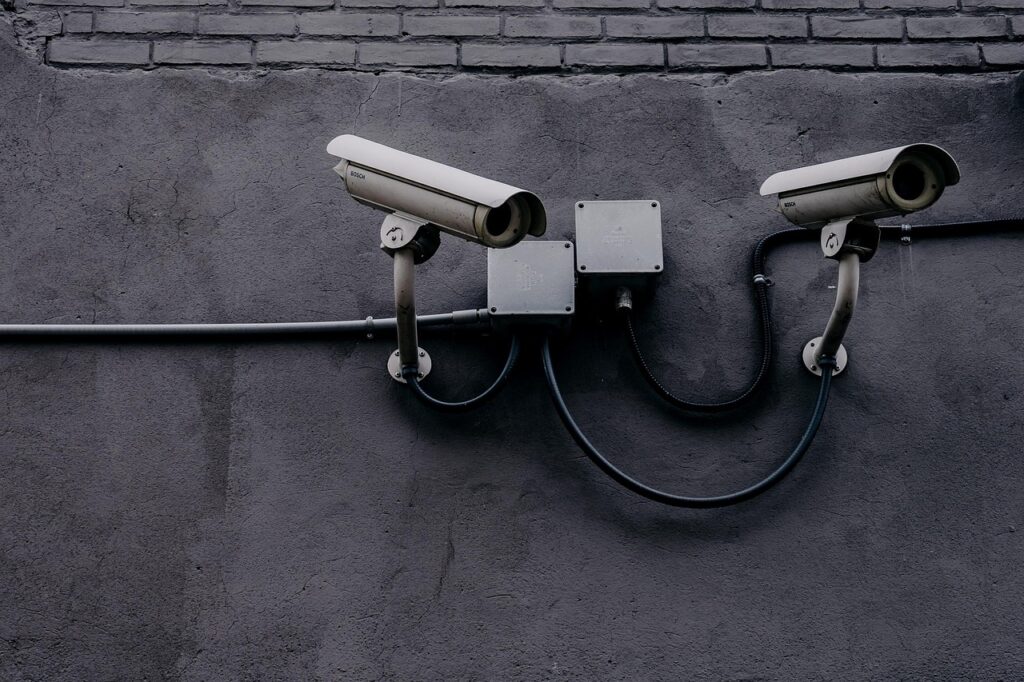
From the streets of Nairobi to the border checkpoints of an East African capital, a familiar pattern is emerging. Cameras are going up. Facial recognition software is being installed. Police forces are receiving training packages from Chinese technology firms — and in many cases, the bill is being picked up by African governments themselves, often through loans or structured financing arrangements that make the technology appear affordable.
A new investigation has documented how Chinese companies are exporting AI-driven surveillance systems to at least a dozen African nations, raising alarms among rights groups who say the continent is becoming a testing ground for technologies that would face intense regulatory scrutiny in Europe or North America. The commercial relationships are often structured as state-to-state deals, making them difficult to monitor or challenge, and the technology being deployed is in some cases being used in ways that have been linked to documented human rights abuses in other contexts.
The tools being deployed include facial recognition cameras capable of tracking individuals across cities in real time, predictive policing software that analyses data patterns to flag potential criminal activity, and integrated command centres that give security agencies unprecedented surveillance capabilities. Some systems have been linked to crackdowns on political opposition and civil society in other parts of the world, raising questions about whether the same capabilities will be used in similar ways in Africa.
“What we are seeing is a new form of digital dependency,” said one researcher who tracks Chinese technology exports to the continent. “These governments are taking on debt to pay for surveillance infrastructure that they do not fully understand, and whose capabilities can easily be turned against their own populations. The question is not whether this technology will be abused — it is how quickly and in what ways.”
The companies involved have been transparent about their ambitions. Several major Chinese technology firms view surveillance exports to Africa as a deliberate policy priority, backed by state support and financing mechanisms that make it easier for cash-strapped governments to sign deals. The technology on offer is sophisticated, competitively priced, and comes with training and maintenance packages that make it attractive to security agencies facing real operational challenges.
Not all African governments have proceeded without caution. Some have quietly shelved proposals for large-scale surveillance expansions after pushback from civil society. Others have demanded more transparency in contracts and sought to limit the most intrusive capabilities. But the overall trend is clear: AI surveillance infrastructure is expanding rapidly across the continent, with African governments funding the installation — not always willingly, but often because the alternative is no access to the technology at all.
The absence of meaningful regulatory frameworks in most African countries is a central concern. There is little legal protection against the weaponisation of these tools against opposition politicians, journalists, or human rights defenders. Data sovereignty laws, where they exist at all, are often weak and poorly enforced. The cameras and software being installed today could be used in ways that the governments signing the contracts have not fully considered — and by governments that come after them.
International human rights organisations have called for greater transparency around these deals and for African civil society to be given a stronger voice in deciding whether and how surveillance technology is deployed in their countries. The technology exists. The question is who controls it, and to what ends. For now, the balance of evidence suggests that African governments and their citizens are not the ones answering those questions.
More From Politics & Governance
U.S. House Passes Bill Linking Nigerian Foreign Aid to Protection of Christian Communities

Ethiopia Launches National Dialogue Conference in Addis Ababa