Nigeria’s recurring boat disasters highlight chronic safety failures on inland waterways
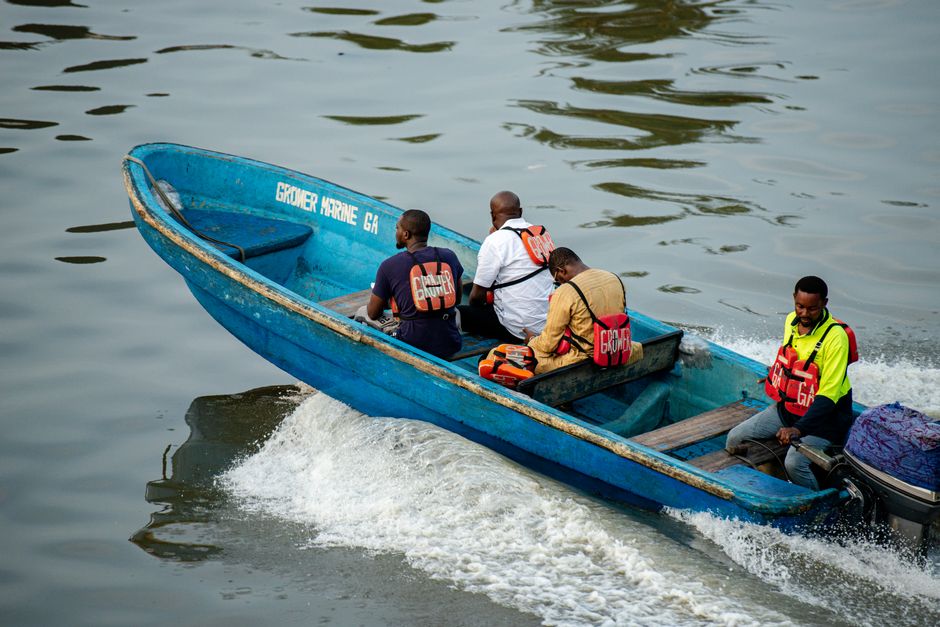
Boat accidents have become a grimly familiar feature of life across Nigeria’s rivers, lagoons and coastal creeks, with another reported disaster once again underscoring the country’s long struggle to make its inland waterways safe. Communities along the Niger and Benue rivers, as well as in the Niger Delta and Lagos lagoon, rely heavily on wooden boats and informal ferries for daily transport, commerce and trade, yet these same vessels are frequently at the centre of mass casualty incidents.
A pattern that keeps repeating
Investigations into past tragedies have repeatedly pointed to a familiar set of factors: vessels carrying far more passengers than they were designed for, the absence or non-use of life jackets, poorly maintained hulls, night-time travel in poor visibility, and journeys undertaken in rough weather despite warnings from local boat operators. In many cases, boats are not registered, captains are unlicensed and there is no functioning system of inspection or insurance.
Why reforms have stalled
Successive Nigerian governments have drafted strategies to modernise water transport and bring it under tighter regulation, including efforts by the National Inland Waterways Authority to license operators and enforce capacity limits. However, implementation has been uneven across the country’s vast network of rivers and creeks, and the sheer number of informal boat owners makes enforcement difficult. Critics say that without sustained political will, investment in rescue infrastructure and public awareness campaigns, the same conditions that produce one disaster will continue to produce the next.
The human cost
Beyond the immediate toll of lives lost, repeated boat disasters have deepened poverty in fishing and trading communities that depend on waterways for their livelihoods. Survivors often lose the few possessions they had, while the families of those who drown frequently receive little official support. Humanitarian organisations and local governments have called for the establishment of a dedicated marine search-and-rescue service, more weather-warning systems tailored to river users, and stricter penalties for operators who flout safety rules.
Calls for a national response
As news of the latest incident spread, advocacy groups renewed demands for a coordinated national response rather than the patchwork of local investigations that have followed previous accidents. Until that happens, observers warn, communities across Nigeria’s waterways will continue to live with the knowledge that a routine journey to market, school or work can end in tragedy.
Source: BBC News — read the original report.