After a deadly raid, a displaced Nigerian mother rebuilds her life stitch by stitch
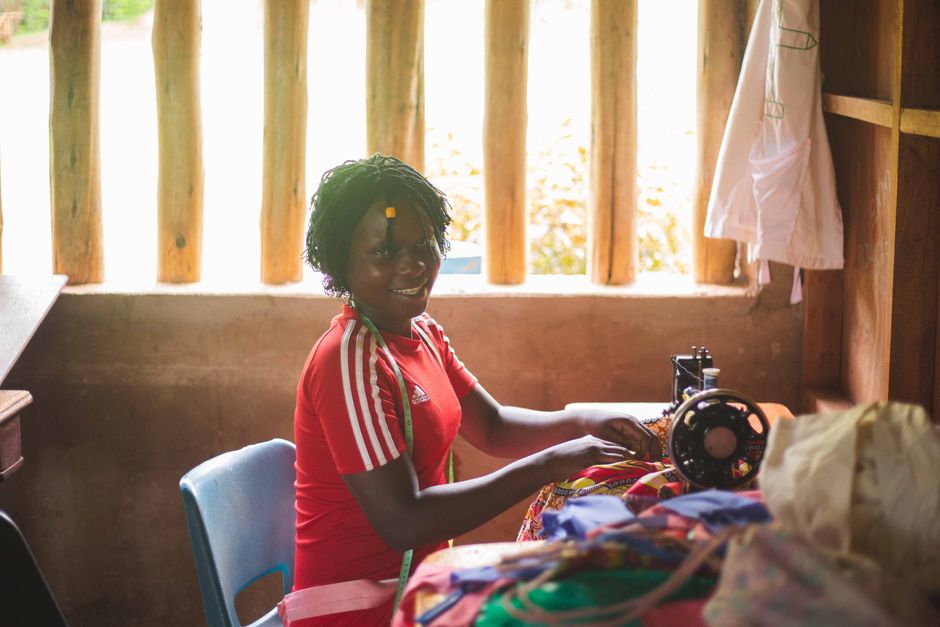
Safiya, a displaced Nigerian mother, sits behind a modest sewing machine she did not own until recently. With each careful stitch, she is piecing together a future she once thought had been torn apart by violence.
A life upended by violence
According to reports from international news organisations, Safiya lost her husband and two children during a deadly raid in her home community in Nigeria. The attack, part of a wider pattern of violence that has forced thousands of Nigerians from their homes, left her without immediate family and without the familiar surroundings that had once defined her daily life. She now lives in a displacement setting, where the conditions are precarious and the future remains uncertain.
Finding purpose in a new skill
For many displaced women in Nigeria, the months and years following such loss are defined by an urgent search for both income and a sense of meaning. Sewing has emerged as one of the few avenues through which some women, including Safiya, have been able to rebuild a measure of independence. With support from humanitarian and community initiatives, she learned to operate a sewing machine and has since begun producing garments for neighbours and local traders. The modest income she earns helps her cover basic needs that would otherwise remain out of reach.
Fragile gains, persistent fears
Despite the progress she has made, Safiya has voiced fears of losing the fragile stability she has worked to rebuild. Displacement camps and host communities across Nigeria often face renewed cycles of insecurity, and economic opportunities can disappear quickly when funding for assistance programmes dries up. Her situation underscores the precariousness of recovery for survivors of violence, who must balance the act of moving forward with the awareness that another shock could undo their efforts overnight.
Resilience amid an ongoing crisis
Nigeria continues to grapple with multiple displacement crises driven by armed groups, communal conflict, and economic hardship. Women affected by these crises have frequently turned to small-scale enterprise, tailoring, and craft work as a way to sustain themselves and their dependents. Safiya’s experience reflects both the ingenuity of survivors and the limits of individual resilience in the face of structural challenges. Her story is a reminder that recovery from violence is rarely a single event, but a long and uncertain process.
Safiya continues to sew, hoping that the skills she has acquired and the small income they generate will be enough to carry her through the difficult days ahead. Her determination captures a quiet but enduring form of resistance against the forces that have sought to erase her sense of home.
Source: Al Jazeera — read the original report.