Zimbabwe’s mineral processing drive raises questions for smaller producers
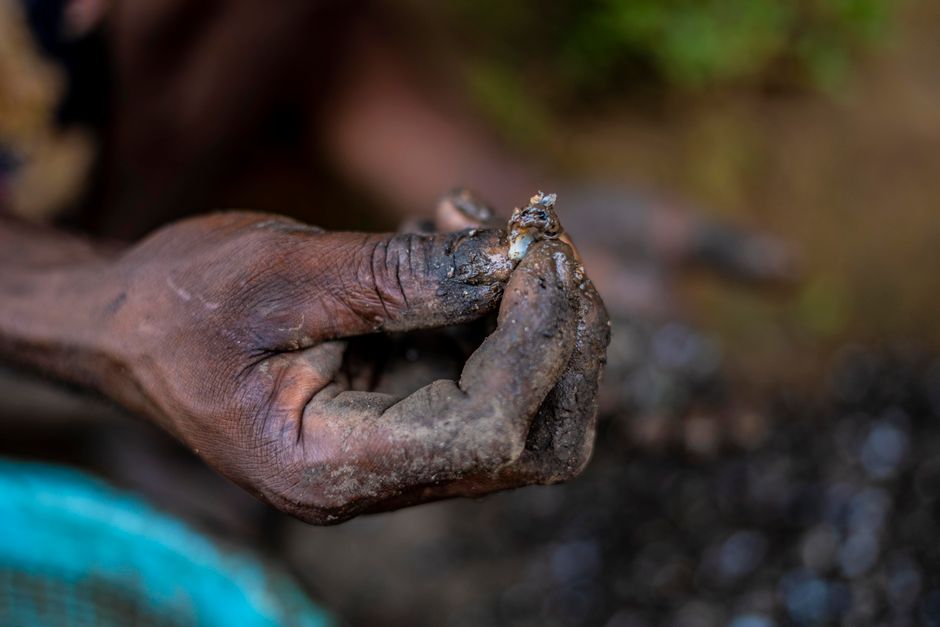
Zimbabwe’s strategy to expand domestic mineral processing and move further up the value chain is being positioned as a path to greater economic sovereignty and higher revenues. Yet the plan has opened a familiar debate in the country’s mining sector: whether the country’s smaller and artisanal producers will share in the benefits or be pushed to the margins.
An ambitious industrial vision
For years, Zimbabwe has sought to reduce its reliance on the export of raw ores by encouraging local refining, smelting, and manufacturing. Officials have spoken of building dedicated mineral processing zones, attracting investment in battery and ferrochrome plants, and tightening rules around the shipment of unprocessed concentrates. The intent is to capture more value domestically, generate employment, and reduce vulnerability to commodity price swings on international markets.
Concerns from smaller producers
Small-scale and artisanal miners, who play a significant role in the extraction of gold, lithium, and other minerals, have long argued that they lack the capital, equipment, and technical expertise to meet the standards required by large processing facilities. They worry that tighter regulations, licensing requirements, and higher compliance costs could effectively exclude them from the formal value chain, pushing production further into the informal economy where oversight is weaker and revenues for the state are lower.
Industry associations representing smaller operators have called for clearer pathways to participation, including access to processing facilities, transparent pricing arrangements, and support services such as geological advice and training. They also point to the difficulty of securing foreign currency to purchase machinery and inputs, a recurring constraint in Zimbabwe’s economy.
A balancing act for policymakers
The government faces a difficult balancing act. Encouraging large-scale investment in processing can deliver infrastructure and tax income, but a sector that leaves behind thousands of small producers risks social and economic strain. International experience in countries with significant artisanal mining sectors suggests that inclusive policies, such as reserved processing capacity, cooperative ownership models, and dedicated funding lines, can help smaller miners participate in formal value chains.
How Zimbabwe navigates these competing pressures is likely to shape not only the trajectory of its mining industry but also the livelihoods of many of its rural and peri-urban communities.
Source: Al Jazeera — read the original report.