Mandela Day in South Africa: A Legacy Under Strain
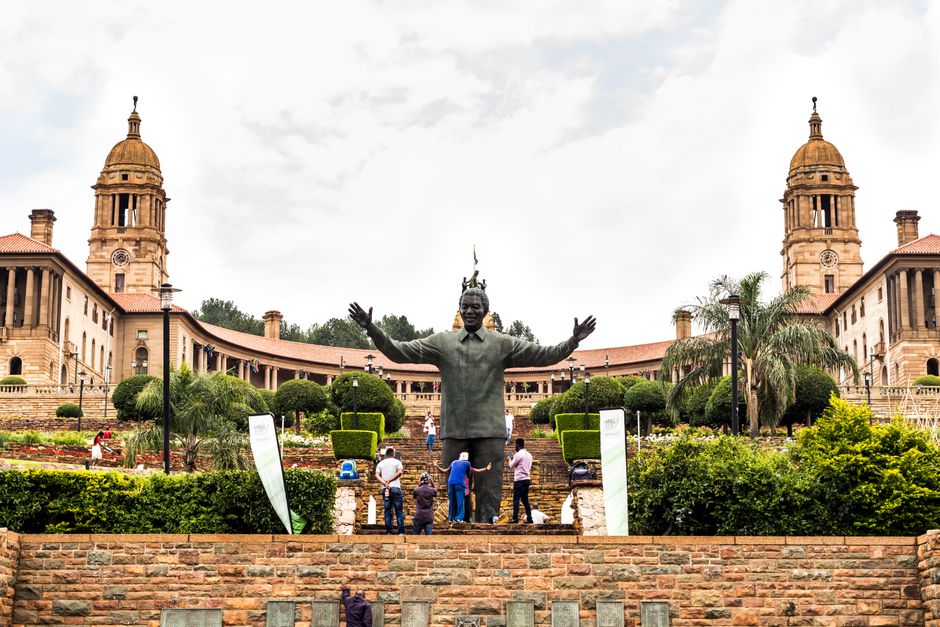
Every year on July 18, South Africans pause to mark the birth of Nelson Mandela, the country’s first democratically elected president and a global symbol of reconciliation. But as the nation confronts persistent inequality, economic hardship, and political polarisation, Mandela Day has evolved from a celebration of the past into a more contested marker of the country’s present.
A holiday layered with meaning
Mandela Day, declared by the United Nations in 2009, calls on individuals around the world to dedicate 67 minutes to community service, in tribute to the 67 years Mandela spent in public life. In South Africa, where the date has been observed as a national holiday since 2009, the day is marked by acts of charity, school visits, and public ceremonies. Yet beyond the symbolism, the occasion increasingly invites debate about how much of Mandela’s vision has been realised.
Inequality remains the unfinished business
South Africa remains one of the most unequal societies in the world, a reality that has only sharpened in recent years as unemployment has climbed and the cost of living has risen. Many South Africans note that the disparities Mandela sought to address during his presidency remain visible in everyday life: in access to quality education, healthcare, and economic opportunity. Civil society groups and community organisations often use Mandela Day to draw attention to these gaps, framing volunteerism not as charity but as a reminder of the structural reforms still needed.
Politics and the politics of memory
The political weight of Mandela Day has grown alongside a broader struggle over how the country’s history is remembered. Political parties, civic groups, and ordinary citizens have all claimed Mandela’s legacy to advance competing narratives about reconciliation, accountability, and national direction. For some, the day is a call to revisit the values embodied in the 1996 Constitution. For others, it is an occasion to question whether the institutions built in the post-apartheid era have delivered on their founding promise.
A symbol that still resonates
Despite these tensions, Mandela’s image retains a particular moral authority both within South Africa and across the continent. His name continues to be invoked in conversations about peacebuilding, justice, and human dignity. As South Africa looks toward the future, Mandela Day offers not only a moment of remembrance but also a measure of the distance between the country’s democratic ideals and the lived experience of millions of its citizens.
Source: Al Jazeera — read the original report.