Sudan’s war reshapes national demographics as displacement reshuffles population
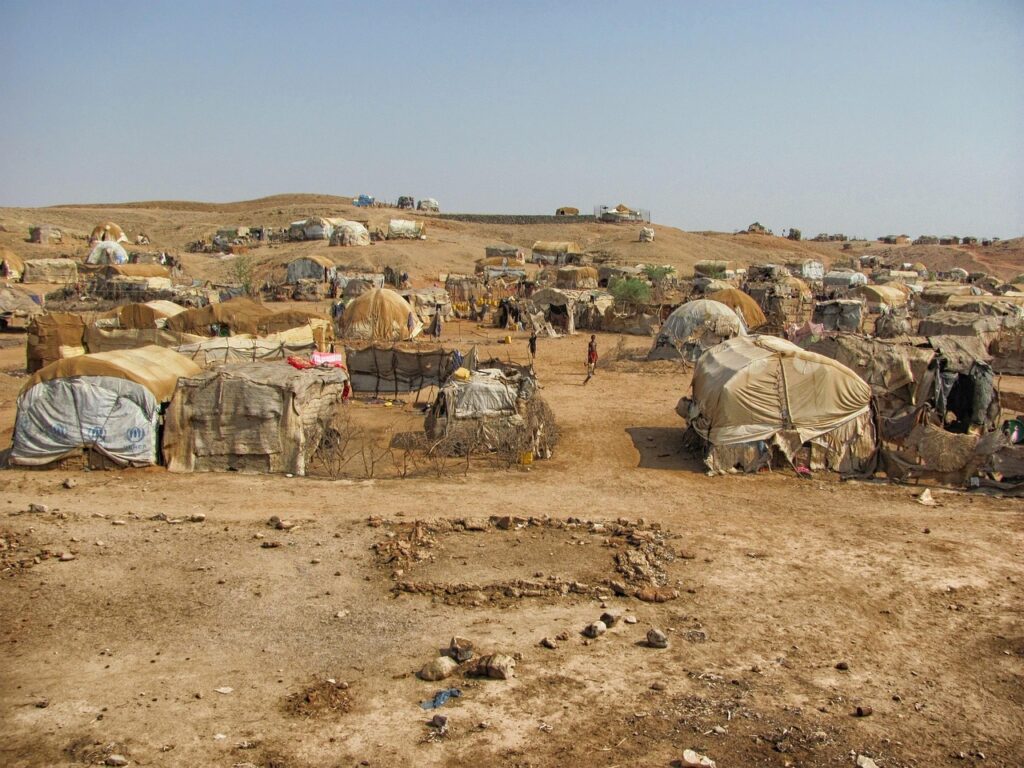
Sudan’s prolonged conflict has profoundly reshaped the country’s demographic landscape, emptying entire regions of their populations while placing immense strain on the urban centres that have absorbed waves of displaced people, according to a Sudanese government minister. The remarks underscore the scale of the population upheaval accompanying one of Africa’s most severe humanitarian crises.
A country in demographic flux
The war between the Sudanese Armed Forces and the paramilitary Rapid Support Forces, which erupted in April 2023, has triggered movements of people on a scale that is altering the social and economic fabric of the nation. Communities that once anchored regional commerce and agriculture have been abandoned, while cities such as Port Sudan, Wad Madani, and Kassala have absorbed large numbers of those fleeing the violence.
Officials have described the resulting population shift as one of the most significant in the country’s modern history. Whole neighbourhoods, towns, and rural districts have been depopulated, and the traditional distribution of Sudanese communities across the country’s diverse regions has been fundamentally redrawn.
Pressure on host cities
The influx of displaced families into relatively safer areas has placed enormous pressure on housing, public services, and local economies. Markets have been disrupted, labour patterns have shifted, and competition for resources has intensified in cities that were already grappling with limited infrastructure. Humanitarian organisations have repeatedly warned that the strain on host communities is reaching breaking point.
Education and healthcare systems have been among the most visibly affected. Schools in receiving areas have absorbed far more pupils than they were designed to handle, and medical facilities face shortages of staff, supplies, and space. The long-term consequences for a generation of Sudanese children growing up amid displacement are a growing concern for aid agencies and policymakers.
Economic and social ripple effects
Beyond the immediate humanitarian toll, the demographic upheaval carries broader economic implications. Agricultural production in conflict-affected zones has collapsed, contributing to food insecurity across the country. Traditional trade routes have been severed, and small businesses have either closed or relocated, further weakening local economies.
Socially, the displacement has torn apart family and community networks that have long defined Sudanese life. Diaspora connections have been reconfigured as people seek safety in unfamiliar cities or across borders, and the cultural and ethnic makeup of many regions is changing as a result. Reconstruction, when it eventually comes, will need to address not only physical infrastructure but the demographic realities left behind by years of war.
A long road to recovery
Analysts note that even if fighting were to stop, the demographic transformation already underway will shape Sudan’s trajectory for years to come. Returning displaced populations, reintegrating communities, and rebuilding regional economies will require sustained national effort and international support. For now, the minister’s comments reflect a growing recognition within Sudan that the country’s future planning must account for a population map that bears little resemblance to the one that existed before the war.
Source: Al Jazeera — read the original report.
More From Conflict & Security
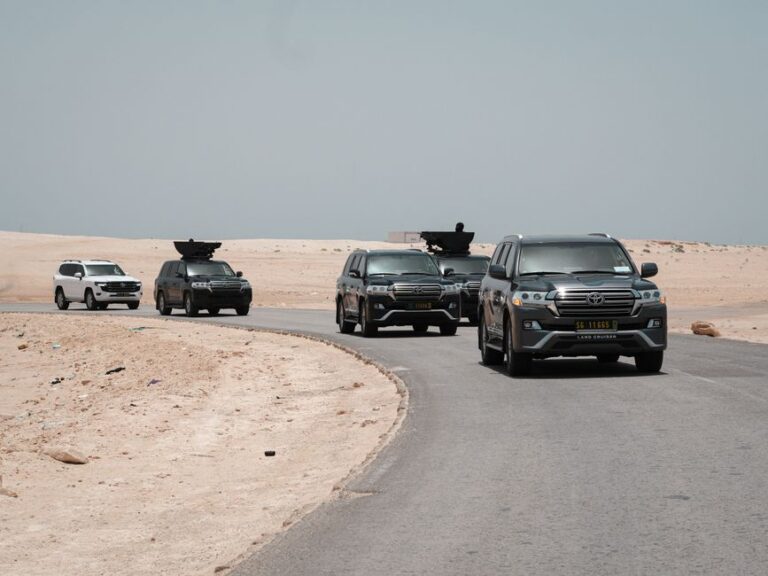
Armed groups attack Malian military convoy in Gao region, army says counterattack under way

Second Tanker Hijacked off Yemen in Three Months as Somali Piracy Resurges