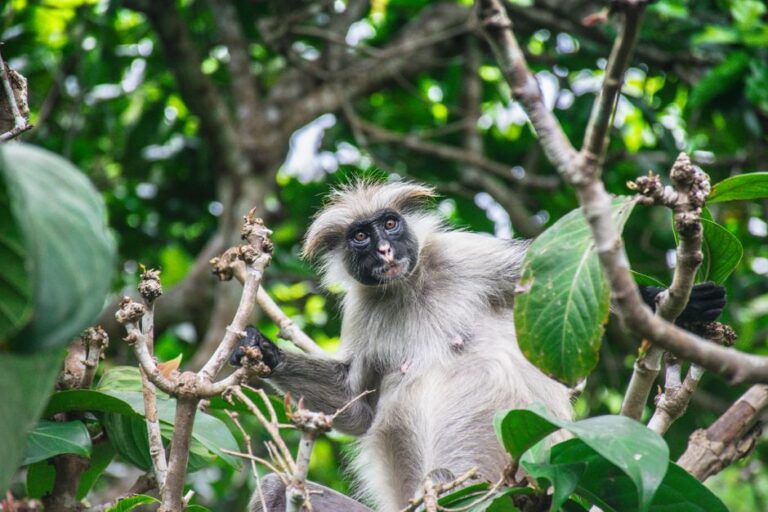
New primate species with distinctive orange lips discovered in DR Congo rainforest
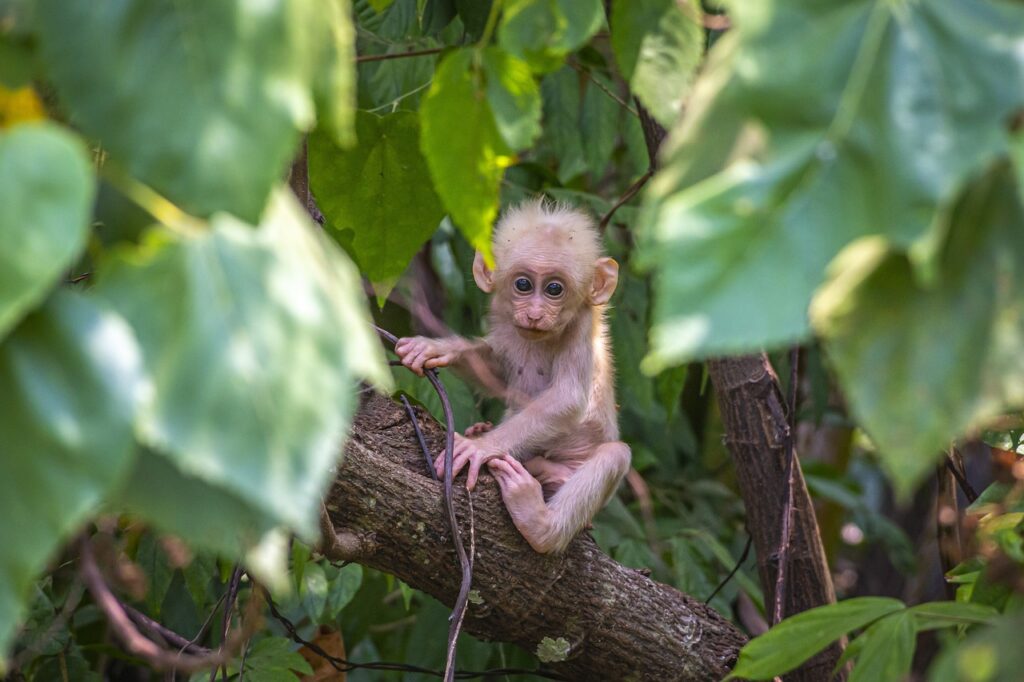
A team of scientists working in the dense rainforests of the Democratic Republic of Congo has identified a previously unknown primate species, distinguished by its vivid orange lips and other unique facial features. The discovery adds to a growing body of evidence that Central Africa’s tropical forests still harbour biological surprises largely unknown to science.
The new species was identified after researchers examined a combination of physical characteristics and genetic data from specimens collected during fieldwork in the region. According to the scientists involved, encountering an animal that so few people had ever set eyes on was an extraordinary experience, underscoring how much remains to be learned about Africa’s primate populations.
A hidden primate
The Congo Basin rainforest is one of the most biodiverse places on Earth, yet large portions remain poorly surveyed due to difficult terrain, limited infrastructure, and ongoing regional challenges. Researchers say that new species continue to be discovered in these forests, particularly among primates, which often live in remote, heavily forested areas that are hard to access.
Scientists have stressed that conservation of these habitats is critical not only for the species already known to science but for those that may still be awaiting discovery. Deforestation, mining, and habitat fragmentation continue to threaten ecosystems across the region.
Why the discovery matters
Identifying a new primate species carries significance beyond taxonomy. It reinforces the importance of protecting intact forest landscapes and investing in biological surveys. Such findings also provide fresh insights into the evolutionary history of monkeys in Central Africa and the ecological roles these animals play within their environments.
Researchers hope the discovery will draw attention to the need for sustained scientific exploration of the Congo Basin, an area whose biodiversity is increasingly recognised as both globally significant and insufficiently understood.
Source: BBC News — read the original report.