Ghana Begins Repatriating Citizens from South Africa as Anti-Migrant Unrest Reaches Crisis Point
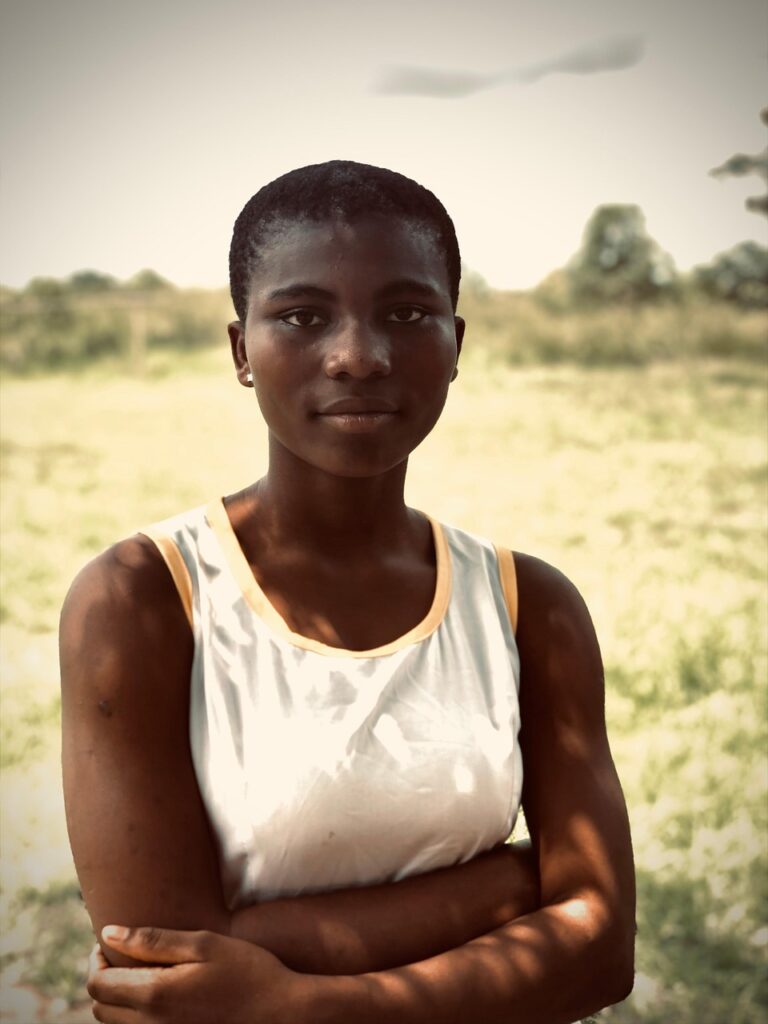
The first group of Ghanaian nationals evacuated from South Africa arrived in Accra on Tuesday, marking the beginning of what officials describe as the largest emergency repatriation operation the West African nation has conducted in years. The evacuation comes as waves of anti-immigration protests across South African cities have left thousands of foreign nationals living in fear and uncertainty.
A Crisis Unfolding in Real Time
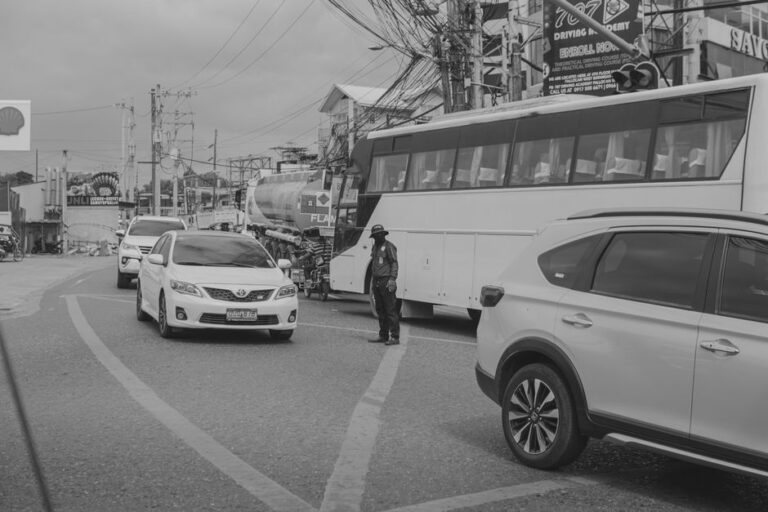
The protests, which intensified in recent weeks, have targeted undocumented migrants and those perceived as economic competitors in an economy already struggling with high unemployment and slow growth. Footage from Johannesburg and Pretoria showed groups of protesters burning makeshift shelters and overturning vendor stalls, scenes that triggered international condemnation and diplomatic pressure on the South African government to protect foreign nationals.
Ghana’s Ministry of Foreign Affairs confirmed that the first batch of evacuees — numbering around 300 — arrived on dedicated flights organized in coordination with South African authorities. Officials said additional flights were being arranged to bring home hundreds more who had registered with the Ghanaian embassy in Pretoria.
“We cannot watch our people suffer in a foreign land when we have the capacity to bring them home,” Ghana’s Minister for Foreign Affairs said in a statement. “Every Ghanaian has the right to safety, and we will not leave them to face this violence alone.”
South Africa’s Fault Line
The protests have exposed a deep fault line in South African society. Despite constitutional protections guaranteeing equal rights for all residents, persistent economic grievances have frequently been directed at foreign nationals, particularly those from other African countries. Xenophobic attacks have flared periodically over the past two decades, often coinciding with periods of economic hardship.
The South African government, under President Cyril Ramaphosa, has sought to distance itself from the protesters while simultaneously acknowledging legitimate concerns about irregular migration. Ramaphosa issued a strong condemnation of violence against foreign nationals and promised enhanced policing operations in affected areas, though critics say the response has been too slow to reassure vulnerable communities.
The Human Cost of Displacement
For the evacuees, the return home is bittersweet. Many had spent years building small businesses and establishing roots in South Africa, only to see their lives upended in a matter of days. In interviews conducted at Kotoka International Airport in Accra, returning Ghanaian nationals described sleeping indoors for fear of attacks, watching their belongings get destroyed, and navigating checkpoints manned by hostile groups.
“I had a shop in Johannesburg for seven years,” said one evacuee who asked not to be identified. “They burned everything. I left with nothing but the clothes I was wearing.”
A Continental Reckoning
The incident has reignited debate across Africa about the treatment of African migrants within Africa. The African Union has long championed free movement and the principle that African citizens should be able to live and work anywhere on the continent without fear of violence. But practical implementation remains fraught with tension, particularly in countries where unemployment is high and public services are strained.
Ghana’s embassy in Pretoria has set up emergency helplines and a registration system to coordinate the evacuation effort. The repatriation operation is expected to continue for at least another two weeks as more Ghanaian nationals come forward seeking to return home.