UN warns of deepening humanitarian crisis as El-Obeid remains under RSF siege
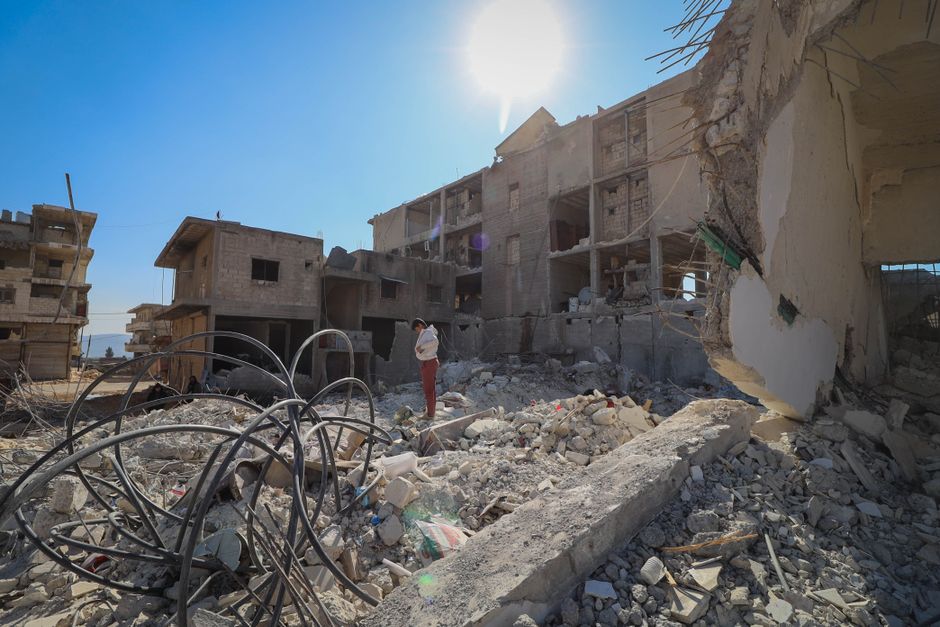
The United Nations has sounded the alarm over a rapidly deteriorating humanitarian situation in El-Obeid, a major city in central Sudan that has come under a prolonged siege by the paramilitary Rapid Support Forces (RSF). As relentless strikes continue and essential infrastructure collapses, civilians inside the city are reporting growing desperation, with food running low and access to clean water severely disrupted.
A city cut off
El-Obeid, the capital of North Kordofan state, sits along a key supply route linking different parts of Sudan and has been a focal point of fighting since the conflict between the Sudanese Armed Forces and the RSF erupted. Residents who remain trapped inside have described being surrounded by RSF forces, with limited opportunities to leave safely. The siege has left the city’s population largely cut off from outside assistance, raising fears of a broader humanitarian collapse in a region already burdened by mass displacement.
Collapse of basic services
Among the most pressing concerns is the state of the city’s water network. Reports from inside El-Obeid indicate that water treatment and distribution facilities have been damaged in repeated bombardments, leaving many households without reliable access to clean drinking water. With food supplies dwindling and markets disrupted, families are increasingly unable to meet basic needs, prompting warnings that conditions akin to famine could take hold if aid does not arrive soon.
UN calls for humanitarian access
UN agencies have reiterated calls for the protection of civilians and the immediate opening of humanitarian corridors to allow relief convoys to reach besieged areas. Officials have stressed that without secure access, aid workers are unable to deliver life-saving assistance, and the situation risks spiraling into one of the worst humanitarian emergencies of the ongoing war. International organizations have urged all parties to the conflict to respect international humanitarian law and to facilitate the passage of medical and food supplies.
A rare glimpse from inside
FRANCE 24 correspondent Bastien Renoul managed to reach residents still inside El-Obeid, who described the relentless nature of the strikes and the mounting fear of starvation. The accounts gathered by Renoul paint a picture of a population holding on in increasingly dire circumstances, with many civilians sheltering in place and relying on dwindling reserves. The reporting underscores the difficulty of verifying conditions on the ground independently and highlights the limited information reaching the outside world.
An uncertain outlook
With no clear resolution to the fighting in sight, humanitarian actors warn that the crisis in El-Obeid could deepen rapidly in the coming weeks. The combination of active bombardment, damaged infrastructure and restricted access has placed civilians in an increasingly untenable position, prompting renewed international appeals for an immediate cessation of hostilities and the swift delivery of humanitarian relief.
Source: FRANCE 24 — read the original report.
More From Conflict & Security

Armed groups attack Malian military convoy in Gao region, army says counterattack under way

Second Tanker Hijacked off Yemen in Three Months as Somali Piracy Resurges