Ugandan Taxi Drivers Turn Collective Savings Into Land Ownership
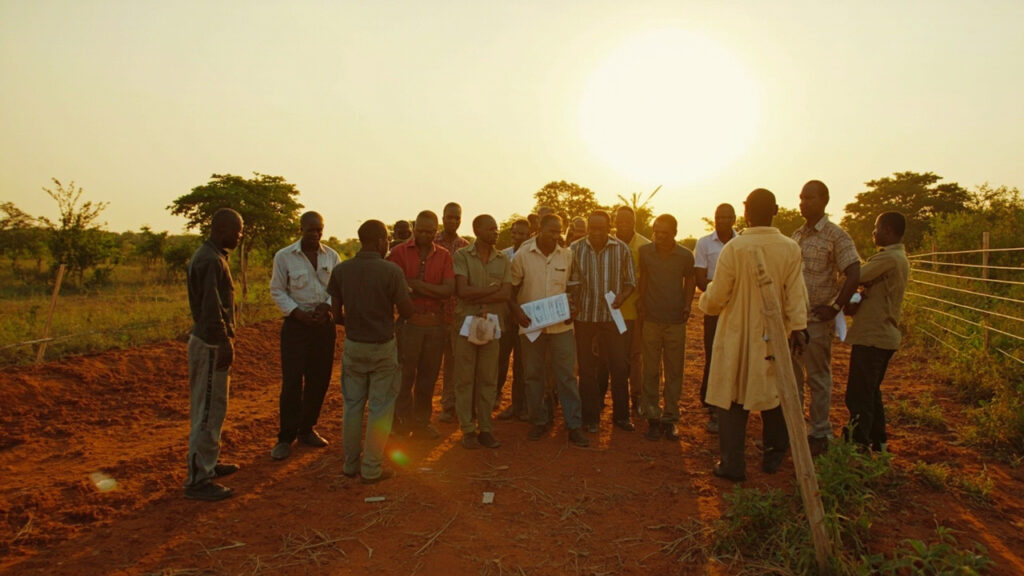
A group of more than 80 taxi drivers operating in the lakeside town of Entebbe have pooled their annual savings to purchase plots of land in Namayumba, in Uganda’s Wakiso District, becoming landowners through a collective scheme organised by their drivers’ association.
The Entebbe Fly Express Travelers Association coordinated the purchase, using contributions gathered from its members to acquire the land, according to Nile Post, as reported by AllAfrica. The deal is the latest example of transport workers in Uganda converting their daily earnings into a long-term, tangible asset through cooperative finance.
A model rooted in collective savings
Cooperative savings arrangements have long been a feature of Uganda’s informal economy. In the transport sector, drivers frequently organise themselves into associations and savings and credit cooperatives, commonly known as SACCOs, which pool contributions and lend to members for vehicles, school fees or emergencies. By directing those pooled funds toward land rather than short-term credit, the Entebbe Fly Express members have followed a path that observers of Uganda’s cooperative movement often point to as one of its more lasting benefits.
The setting

Namayumba lies in Wakiso District, one of the most populous administrative areas in Uganda, bordering the capital Kampala to the west and north. The district has absorbed significant residential and commercial expansion in recent decades as the wider metropolitan area has grown. Entebbe, situated on the northern shore of Lake Victoria, is home to Uganda’s main international airport and serves as the country’s principal gateway for international travellers.
For taxi drivers whose livelihoods depend on routes around Entebbe and the airport corridor, ownership of land in a nearby district offers both a hedge against rising rents in the urban centre and a foothold in one of the country’s most actively developing regions. The association’s purchase illustrates how collective organisation within a single profession can translate into shared property, a relatively unusual outcome for workers in Uganda’s informal transport economy.
Sources
This report was written from coverage published by the following news organisations. Follow the links for the original reporting.