Uganda Closes DRC Border as Ebola Fears Isolate Bunia and Regional Tensions Rise
Uganda has sealed its border with the Democratic Republic of Congo following the confirmation of three new Ebola cases within its territory — the latest sign that the outbreak centred in eastern DRC is beginning to produce regional knock-on effects that go well beyond public health.
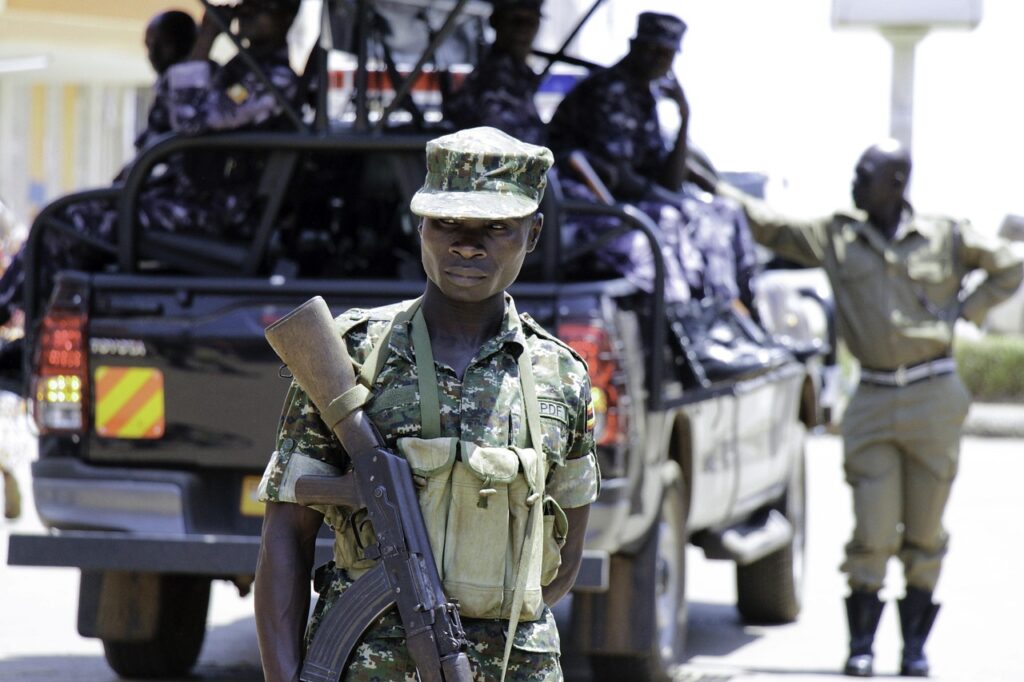
The closure, announced by Uganda Ministry of Health on May 26, halts all cross-border movement at the official points of entry between the two countries. Uganda President Yoweri Museveni, in a nationally televised address, said the measure was temporary and necessary and urged citizens near the border to report any suspected cases immediately.
The move came just hours after Bunia, the capital of Ituri province in DRC, was effectively placed under a dual isolation — road access from the DRC side severely restricted by militia activity, and air access cut after the civil aviation authority suspended all flights to Bunia airport. Uganda border closure means that overland supply routes, the last lifeline for the city of approximately 300,000 people, are now significantly constrained.
Uganda had already confirmed three new Ebola cases from contacts traced in the border area. Among the confirmed cases is a woman in her thirties who had crossed into Uganda before symptoms were detected. Health authorities in Kampala have since placed more than 140 contacts under observation, though researchers warn that contact tracing in rural border areas is extremely difficult.
The Africa CDC has classified ten African nations as high-risk and has called on all bordering countries to activate their national emergency operations centres. South Sudan, Rwanda, and Burundi have all tightened border surveillance but stopped short of full closures. Kenya, which hosts a major Africa CDC regional hub in Nairobi, has issued travel advisories and is screening arrivals from DRC and Uganda at all points of entry.
Uganda closure has reignited debate about the broader geopolitics of African borders. Analysts note that the East African Community and the African Continental Free Trade Area both envision free movement of people as an economic pillar — a vision that is fundamentally compromised when nations close borders in health emergencies. This tension between health security and economic integration will be a focus of discussion at the emergency African Union summit planned for early June.
Museveni, who has held power since 1986, used the occasion to signal continuity in Uganda governance. Hours after the border closure was announced, Uganda unveiled a new cabinet that retained most senior ministers — a move widely interpreted as a message that despite the health emergency and regional tensions, political stability would be maintained.
The economic fallout is already being felt in border communities on both sides. Market traders who regularly cross between DRC and Uganda say their livelihoods are at risk of collapse. In the DRC side, traders who rely on Ugandan imports say prices for basic goods have already doubled. In Uganda Kasese district, local businesses dependent on cross-border trade say they face ruin within weeks if the closure persists.
Canada, the Bahamas, and the United States have each imposed isolation protocols on travellers from DRC and Uganda — adding to Bunia isolation from the international community. The European Union is reviewing its own travel guidance, with several member states said to be considering mandatory 21-day isolation for anyone arriving from the affected zones.
The head of the Africa CDC health emergencies programme, Dr. Ngashi Ngongo, said the situation in Bunia was critical and called on the international community to fund the emergency response before the window for effective action closes. He declined to give a specific timeline but said health experts estimate the next three weeks will determine whether the outbreak can be contained before it spreads to Kinshasa or other major urban centres.