Two Decades of Xenophobic Tensions: South Africa’s Recurring Crisis
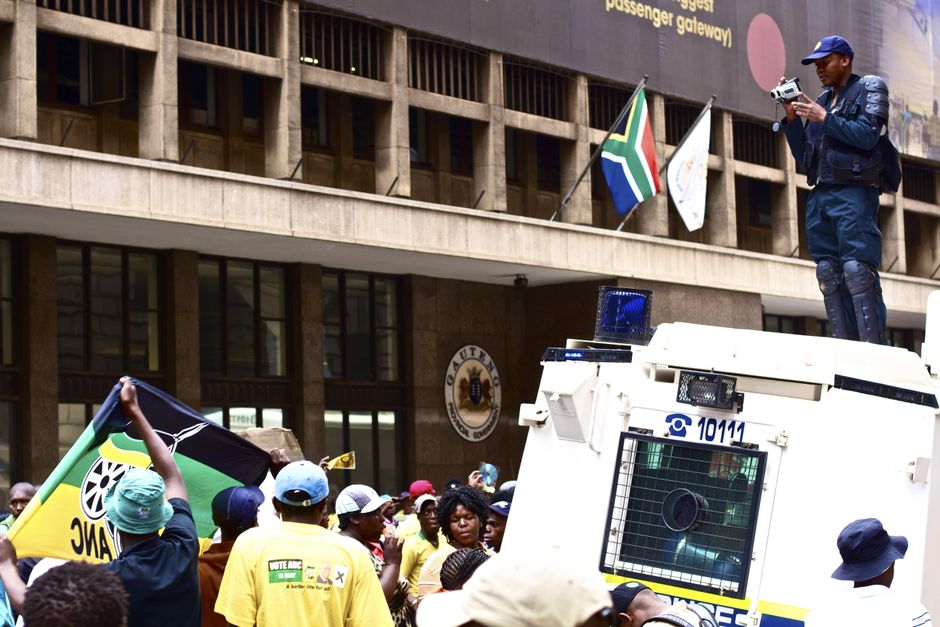
South Africa is once again confronting a wave of anti-migrant sentiment, with protesters taking to the streets to denounce foreign nationals whom they blame for the country’s stubbornly high unemployment and crime rates. The latest demonstrations mark the largest such mobilization the country has seen since 2008, reviving memories of one of the most painful chapters in its post-apartheid history.
Echoes of 2008
In May 2008, a wave of xenophobic riots erupted in Johannesburg before rapidly spreading across the country. The violence left deep scars on South Africa’s self-image as a constitutional democracy committed to the rights of all who live within its borders. The events of that month exposed fault lines that, despite years of official commitments to non-discrimination, have never fully healed. The current protests have drawn inevitable comparisons with that period, both in their scale and in the grievances voiced by participants.
Root Causes: Unemployment and Crime
Anti-migrant protesters have consistently pointed to two of South Africa’s most persistent social ills — unemployment and crime — as evidence that foreign nationals are a burden on the country. South Africa has struggled with joblessness for decades, and competition over limited economic opportunities has often been framed in explicitly xenophobic terms. Although successive governments have rejected the scapegoating of migrants, such rhetoric has repeatedly resurfaced in communities where frustration over service delivery and economic exclusion runs high.
A Recurring Pattern
Analysts have long noted that xenophobic flare-ups in South Africa tend to follow a recognizable cycle. Tensions simmer in townships and informal settlements, often triggered by isolated incidents that then escalate into broader unrest. Over the past two decades, episodes of anti-migrant violence have erupted with disturbing regularity, prompting temporary government interventions followed by periods of relative calm before tensions resurface. This cyclical pattern suggests that the underlying drivers — poverty, inequality, and a lack of inclusive economic policy — remain largely unaddressed.
The Human Toll
Migrant communities, particularly those from other African countries, have repeatedly found themselves on the receiving end of mob violence, looting, and displacement. Many have settled in South Africa in search of economic opportunity or refuge from instability in their home countries, only to face hostility. Civil society organizations and regional bodies have repeatedly called on the South African government to adopt more robust protections for migrants and to tackle the root causes of xenophobia through public education and economic reform.
An Unresolved Challenge
The latest protests underscore the fact that nearly two decades after the 2008 violence, South Africa has yet to find a durable solution to its recurring xenophobic tensions. While the country’s constitution guarantees equality and dignity for all, translating those guarantees into everyday safety for foreign residents remains an unfinished project. As the demonstrations continue, the country faces a familiar test: whether it can address the legitimate grievances of its citizens without allowing them to be channeled into violence against some of the region’s most vulnerable people.
Source: FRANCE 24 — read the original report.