Tanker Attack in Strait of Hormuz Adds to Regional Tensions Amid Mourning in Iran
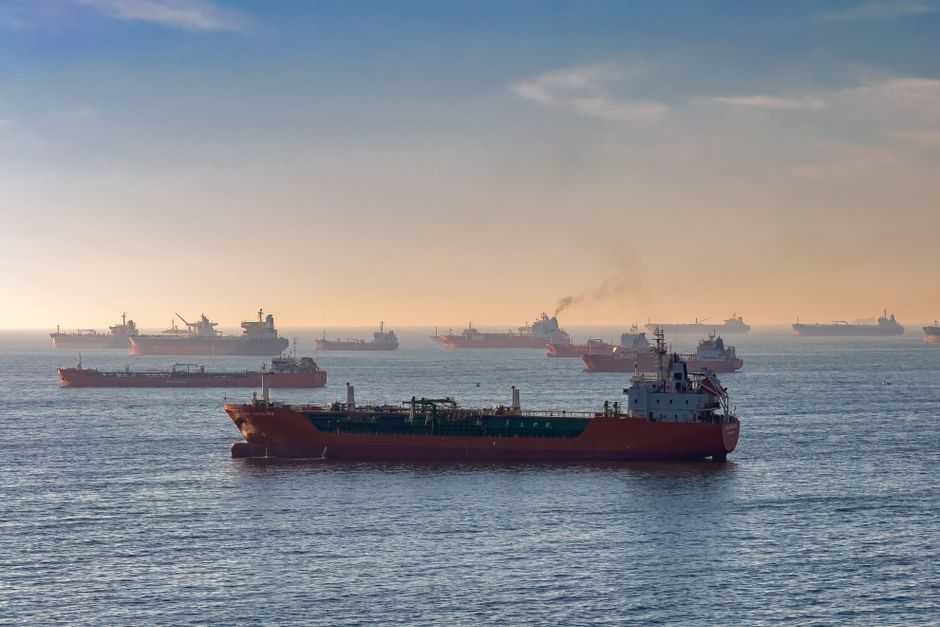
A liquefied natural gas tanker caught fire in the Strait of Hormuz after being struck by a projectile, raising alarm over the security of one of the world’s most vital maritime corridors. The incident occurred against a backdrop of political sensitivity in Iran, where the country is mourning Supreme Leader Ali Khamenei, while diplomatic negotiations with the United States over Iran’s nuclear programme remain at an impasse.
A critical waterway under renewed strain
The Strait of Hormuz, a narrow passage between Iran and the Arabian Peninsula, handles a significant share of global oil and liquefied natural gas shipments. Any disruption to traffic through the strait can have immediate consequences for energy markets and international shipping. The reported strike on the tanker, which led to a fire aboard the vessel, has drawn renewed attention to the vulnerability of commercial shipping in these waters and the broader risks facing crews and cargo traversing the route.
Mourning period and political uncertainty
The attack coincides with a period of national mourning in Iran following the death of Supreme Leader Ali Khamenei, a figure who shaped the country’s political and religious direction for decades. His passing has introduced a period of transition and uncertainty, with questions surrounding the future direction of Iran’s domestic policies and its engagement with the international community. Maritime security analysts note that periods of political transition can create conditions in which state and non-state actors recalibrate their strategies, sometimes heightening the risk of incidents at sea.
Stalled nuclear diplomacy
Diplomatic efforts to address concerns over Iran’s nuclear programme remain frozen. Talks between Tehran and Washington, which have cycled through periods of engagement and confrontation over recent years, have yet to produce a breakthrough. The combination of unresolved nuclear tensions, a leadership transition in Tehran, and a fresh incident in the strait is likely to complicate any attempt to resume negotiations. International stakeholders, including European and Gulf partners, have a vested interest in ensuring that commercial shipping through the waterway continues unimpeded.
Implications for regional security
The episode underscores the fragile equilibrium that governs maritime traffic in the Gulf region. Even a single attack on a commercial vessel can prompt rerouting of shipping, increased insurance costs, and naval deployments by major powers seeking to reassure trade flows. Observers will be watching closely for any official claims of responsibility, further incidents in the area, or diplomatic responses from countries with strategic interests in the strait. For now, the attack serves as a reminder that the Strait of Hormuz remains a focal point of global geopolitical risk.
Source: Africanews — read the original report.