South Sudans Flood Season Returns And This Time the Warnings Are Even More Urgent

The Sudd wetlands, one of the largest freshwater ecosystems in the world, are flooding again. But this year, the water arriving across South Sudan is arriving faster, deeper, and into communities that have not yet recovered from the catastrophic floods of previous seasons. As heavy rains expected through mid-May begin to push water levels higher across the countrys vast floodplains, aid agencies and national meteorological authorities are warning that the 2026 rainy season could be among the most destructive on record.
The NOAA Climate Prediction Center has forecast a 36 to 50 percent probability of above-normal rainfall across much of southern and western South Sudan through May and into the traditional peak months of August through November. That forecast, combined with satellite imagery showing rapid inundation of the Sudd wetlands and satellite data indicating elevated water levels in the White Nile, has raised alarm bells at the highest levels of the humanitarian response community.
South Sudan is no stranger to flooding. The country sits in one of the worlds most climatically vulnerable zones, where the interaction between seasonal rains, river systems, and a flat, low-lying landscape makes large-scale inundation a recurrent fact of life. But the frequency and severity of floods in recent years have pushed communities to a breaking point. Families who lost homes and livelihoods in the 2024 and 2025 floods describe a cycle of destruction from which recovery has never come each new flood season arriving before the last one has been absorbed.
The humanitarian consequences extend far beyond flooded homes. South Sudans food security situation remains among the most acute in the world, with millions of people dependent on food assistance to survive. Flooding destroys standing crops, contaminates water sources, and disrupts the supply chains that keep aid flowing into hard-to-reach areas.
Beyond the immediate physical threat, climate scientists have noted that South Sudans flooding patterns are shifting in ways that reflect broader changes in the regional climate system. Seasons that once followed predictable cycles are becoming erratic rains arriving earlier or later than expected, dry spells stretching into what should be rainy months, and intense precipitation events that overwhelm the drainage capacity of the countrys river systems.
The government meteorological agency has been working with international partners to improve flood early warning systems, but capacity remains limited. In many areas, communities receive little or no advance notice of rising water levels. Displacement sites that were established after previous floods are now themselves at risk, as floodwaters encroach on areas that were previously considered safe.
International humanitarian organisations have called for accelerated pre-positioning of supplies ahead of the expected peak flooding months. But funding constraints have limited the scale of preparedness operations, and access challenges in some areas mean that even pre-positioned supplies cannot be reached when roads become impassable. The World Food Programme and its partners have warned that a major flooding event could overwhelm an already stretched response capacity at precisely the moment when South Sudan’s people can least afford another shock.
For families living near the Sudd, the rainy season used to be a time of renewal water for crops, pasture for livestock, filling of the ponds and pools that sustain communities through the dry season. Now, for many, it has become a season of fear. As the water begins to rise again this May, the question facing aid agencies and national authorities is whether the world is paying enough attention to a crisis that, year after year, produces images of desperation that briefly circulate before the coverage moves on.
More From Conflict & Security
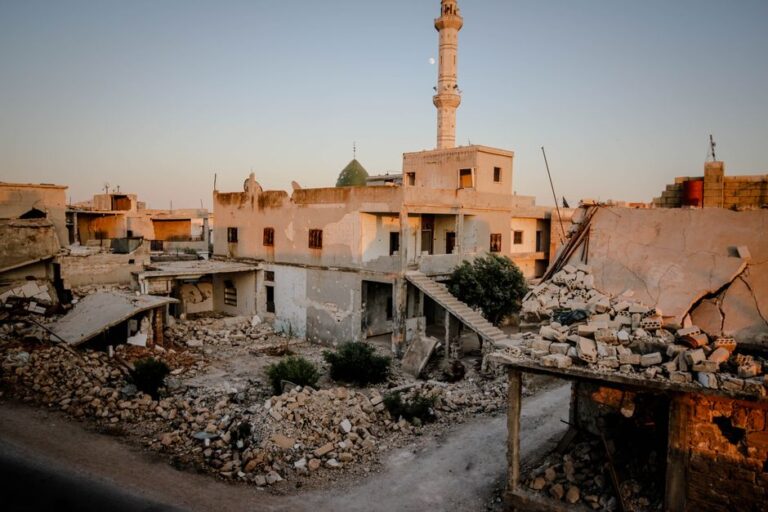
Sudan’s El-Obeid under intensifying drone strikes as army and RSF clash over key city

Liberia destroys over four tons of cocaine in major anti-trafficking operation