Armed Drones Have Become the Deadliest Weapon in Sudans War And Civilians Are Paying the Price

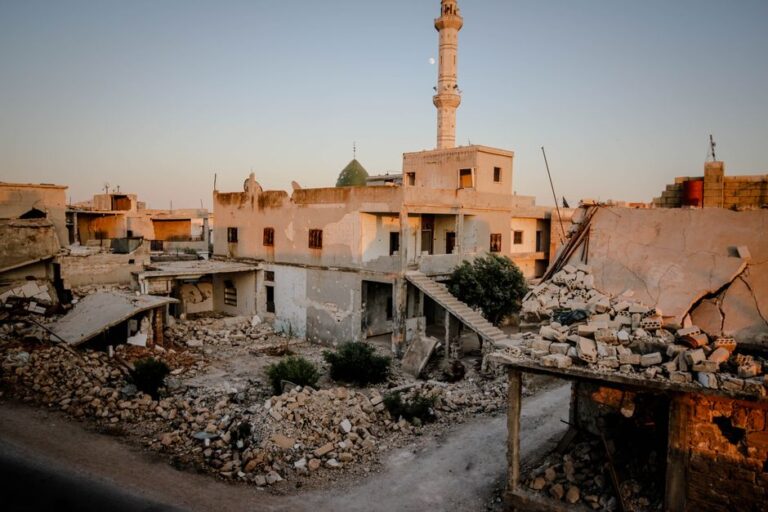
In the first four months of 2026, more than 80 percent of all civilian deaths in Sudans brutal conflict were caused by armed drones a staggering figure that has turned the unmanned aircraft into the wars defining instrument of destruction. According to data released by the United Nations last week, drones have killed at least 880 civilians since January, reducing populated areas to rubble and pushing already war-weary communities deeper into a humanitarian catastrophe with no end in sight.
The statistics represent a dramatic shift in the character of a conflict that began when rival military factions turned on each other in April 2023. What started as an urban artillery war has evolved into something far more lethal and faceless: a conflict increasingly fought from the sky, where the aircraft themselves are often controlled by operators thousands of kilometres away, beyond the reach of any accountability mechanism.
Most recently, drone strikes on Al Quz in South Kordofan and near El Obeid in North Kordofan killed 26 civilians on May 8. The attacks came as Sudans army and the Rapid Support Forces continue to trade devastating blows across multiple fronts, turning entire neighbourhoods into killing zones where ordinary men, women, and children have no warning and no shelter. UN High Commissioner for Human Rights Volker Türk issued a high alert warning that the conflict is widening in ways that risk destabilising the entire Horn of Africa region.
Sudans government has formally accused Ethiopia of hosting drones involved in attacks on Khartoum and other strategic locations since March, and has pointed the finger at the United Arab Emirates for supplying the aircraft. The allegations have deepened a diplomatic rift between Khartoum on one side and Addis Ababa and Abu Dhabi on the other, complicating already fragile regional peace efforts. Sudan says it has evidence including recovered aircraft components linking the drones to Ethiopian territory and Emirati supply chains.
The humanitarian implications are staggering. Sudans war has already generated one of the worlds largest displacement crises, with more than 10 million people forced from their homes. The use of drones in populated areas compounds the catastrophe by making ordinary civilian infrastructure markets, hospitals, water points into potential targets. Aid workers operating in conflict zones say the uncertainty created by drone surveillance is also making humanitarian logistics increasingly dangerous.
International observers have warned that the weaponisation of drones in Sudans conflict could set a dangerous precedent for the region. Once a technology associated with precision military strikes, unmanned aircraft are increasingly being deployed in ways that cause mass civilian casualties with minimal attribution. The absence of clear accountability and the difficulty of attributing strikes to specific actors makes legal recourse nearly impossible for victims families.
Türks warning last week reflected growing alarm at the UN about the trajectory of the war. The use of drones as the primary instrument of civilian death in this conflict demands an urgent response from the international community. Communities that have already endured two years of war are now being wiped out from the sky, with no warning, no protection, and no justice.
For the civilians caught between the two forces, the drone threat has become an additional layer of fear layered on top of food insecurity, destroyed infrastructure, and collapsed public services. In neighbourhoods that have already seen some of the worst fighting in the war, people describe listening for the distinctive hum of drones as a new and terrifying part of daily life a sound that no civilian should have to recognise as a matter of survival.
More From Conflict & Security
Sudan’s El-Obeid under intensifying drone strikes as army and RSF clash over key city

Liberia destroys over four tons of cocaine in major anti-trafficking operation