
South Africa Anti-Migrant Violence Is a World Cup Crisis in the Making
When South Africa Minister of Home Affairs described the ongoing visa and permit fiasco surrounding the national football team World Cup preparations as making the country look like fools, he was speaking only about one dimension of a growing crisis that is threatening to undermine the country reputation on the world biggest sporting stage. Behind the administrative chaos of delayed visas and permit backlogs lies a more troubling and deeply rooted problem: a wave of anti-migrant violence that has seen foreign-owned businesses attacked, migrant communities targeted, and thousands of people displaced in Gauteng and surrounding provinces.
The violence, which has been documented by local human rights organisations, international media, and African governments whose citizens have been affected, represents a serious reputational and diplomatic challenge for a country that has long sought to position itself as a progressive, multicultural democracy on the continent. South Africa constitution guarantees freedom of movement and protects the rights of non-citizens. In practice, those guarantees are being tested by organised rallies, vigilante attacks, and a political discourse that has increasingly scapegoated migrants for economic hardship and crime.
Inside the Wave of Violence Targeting Migrants
The current outbreak of anti-migrant violence is not without precedent in South Africa recent history. The country has experienced waves of xenophobic attacks in 2008, 2015, and 2019, each time concentrated in poor urban areas where competition for jobs, housing, and social services creates tension between South African residents and migrant communities from Zimbabwe, Mozambique, Malawi, Nigeria, and other countries. What is different this time is the timing — less than two months before the country hosts part of the FIFA World Cup — and the scale of international attention.
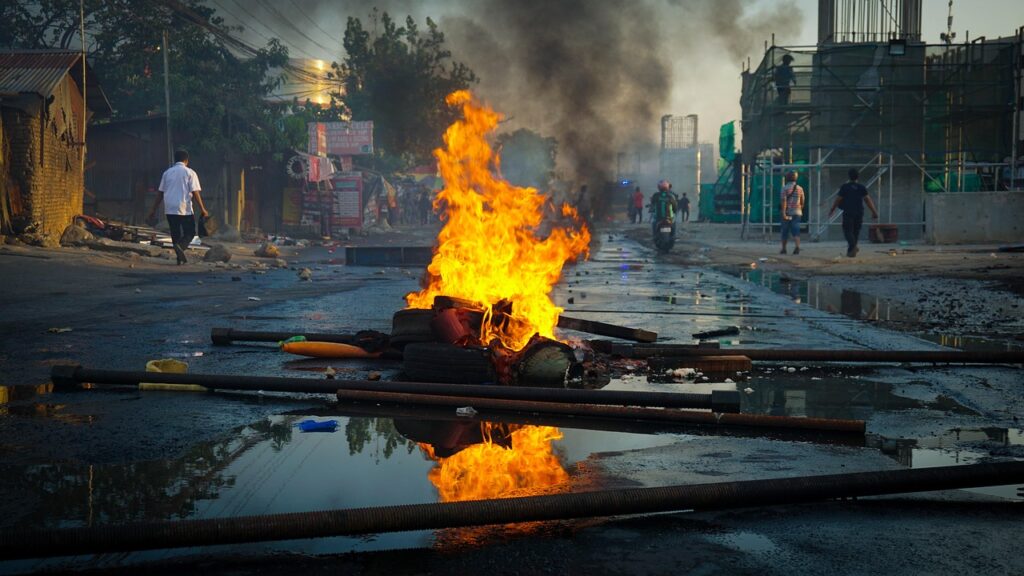
Reports from affected communities describe attacks on shops owned by foreigners, physical assaults, and the burning of property. In some areas, local residents have joined anti-migrant rallies that have drawn thousands of participants. The discourse on social media has been particularly inflammatory, with organised campaigns targeting specific nationalities and calling for the expulsion of migrants deemed to be taking jobs or receiving government benefits illegally.
The Diplomatic Fallout Is Already Mounting
Several African governments have issued travel advisories or formal protests in response to the violence. Nigeria has repatriated hundreds of its citizens from South Africa following attacks on Nigerian-owned businesses. Ghana, which has also seen its citizens targeted, has called on the South African government to take decisive action to protect foreign nationals. The African Union and ECOWAS have both issued statements expressing concern.
For South Africa government, the diplomatic damage is proving difficult to manage. President Cyril Ramaphosa has condemned the violence and pledged a tough response, but critics say the official rhetoric has been too slow and too muted to match the scale of what is happening on the ground. The link between anti-migrant sentiment and the political discourse around jobs, crime, and service delivery has made it politically sensitive for the ruling African National Congress to take a strong stand, given the risk of alienating constituencies that feel vulnerable to competition from migrants.
The World Cup Question: Can South Africa Deliver?
The World Cup is expected to bring hundreds of thousands of foreign visitors to South Africa, including fans from across Africa and around the world. Organisers have invested heavily in infrastructure and hospitality preparations, and the country has been eager to use the tournament as a showcase for post-apartheid South Africa capabilities. The violence against migrants, combined with the administrative failures around the national team travel documentation, has created a narrative that is hard to control.
Security services have been deployed in affected areas, and the government has promised a crackdown on hate speech and incitement. But the underlying drivers — economic inequality, unemployment, the failure of integration policies, and a political culture that has at times legitimised anti-migrant sentiment — will not be resolved by security operations alone. South Africa ability to host a successful World Cup depends not just on stadiums and transport systems, but on whether the world sees a country that can protect all its people, including those who come from elsewhere.
For now, the crisis is playing out in communities far from the spotlight. But as the tournament approaches, the pressure on South Africa to demonstrate it can manage both the security challenge and the political sentiment will only intensify.