

Released South African elephants thrive in wild, study finds
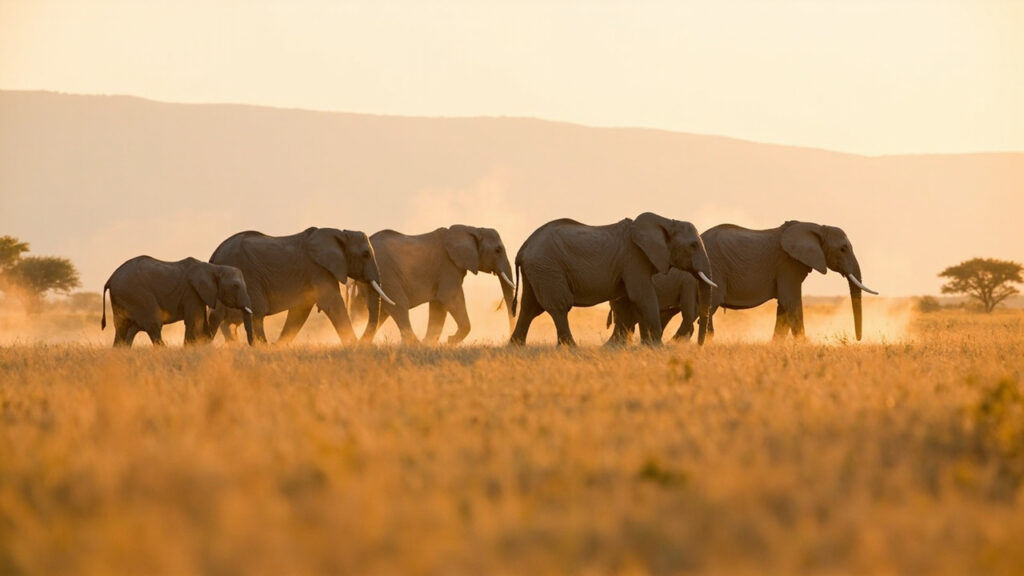
Elephants released from captivity into the wild in South Africa have adapted to their new environment better than researchers anticipated, according to Yahoo. The findings offer a hopeful sign for conservationists working to rehabilitate animals that spent years, and in some cases decades, in confined conditions.
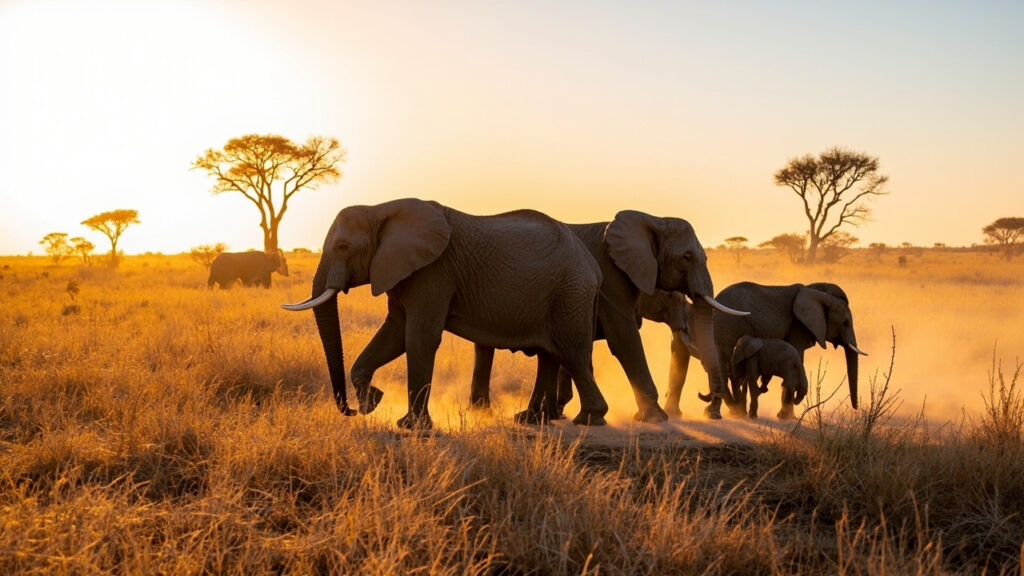
South Africa has long been central to African elephant conservation, home to a significant share of the continent’s southern population. The country’s national and provincial parks, including the vast Kruger National Park in the northeast, support one of the largest managed elephant populations on the continent. Against this backdrop, efforts to return captive elephants to more natural settings have become an increasingly important strand of wildlife management.
The pool of captive elephants in South Africa has been shaped by a complicated history. Some animals were kept in zoos, circuses or private collections, while others emerged from captive breeding operations linked to the trophy hunting industry. South Africa moved to restrict the captive breeding of several big game species in the 2010s, prompting renewed focus on what to do with elephants no longer wanted or kept by their owners.
Reintroducing such large, intelligent and socially complex animals is rarely straightforward. Elephants form tight matriarchal family groups, remember distant water sources across vast ranges, and can suffer lasting behavioural effects from early separation or confinement. Conservationists have long worried that animals raised in captivity would struggle to forage, navigate or integrate with wild herds once released.
According to Yahoo, the elephants studied appear to have confounded those concerns. Researchers observed the animals establishing routines, finding food and water, and in some cases joining existing wild groups. Conservationists say the results suggest that with careful planning and suitable habitat, former captives can be given a genuine second chance in the wild.
Sources
This report was written from coverage published by the following news organisations. Follow the links for the original reporting.


