

Premium Times Nigeria revisits how music has mirrored Nigeria-South Africa tensions
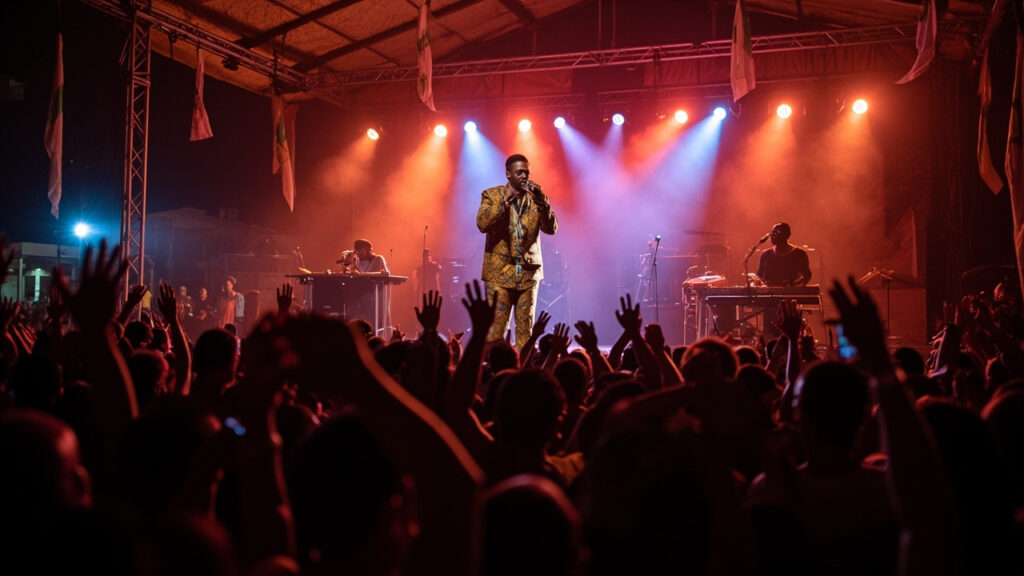
The relationship between Nigeria and South Africa, the continent’s two largest economies and cultural powerhouses, has long been defined by a mix of admiration, rivalry and friction. A flashback piece published by Premium Times Nigeria revisits three moments when that complex dynamic spilled into the music industry, with artists from both countries becoming unlikely flashpoints in a wider diplomatic story.
According to Premium Times Nigeria, the episodes trace a recurring pattern in which musical success and cross-border tensions have become intertwined, reflecting broader debates about identity, recognition and influence in African popular culture.
The cultural rivalry between the two countries has deep roots. South African audiences and industry figures have at times pushed back against the dominance of Afrobeats on the continent, while Nigerian artists have pointed to the global rise of Amapiano, the house-influenced sound rooted in South African townships, as evidence of a more balanced cultural exchange. Periodic xenophobic attacks in South Africa targeting Nigerian migrants, most prominently documented in 2015, 2017 and 2019, have repeatedly strained relations and prompted responses from prominent musicians.
Burna Boy, one of Afrobeats’ most prominent global ambassadors, has long been vocal about the treatment of Nigerians in South Africa and has woven those themes into his public commentary. Tyla, the South African singer of Zulu descent who won a Grammy in 2024, became a separate point of discussion when Nigerian fans questioned whether she should be classified as an Afrobeats artist, given the genre’s strong Nigerian associations. The debate underscored how musical categorisation can quickly become a proxy for larger questions of cultural ownership.
As Premium Times Nigeria’s flashback notes, such episodes show how music has served as both a stage and a stress test for relations between Africa’s two creative heavyweights, with every hit song and award ceremony carrying the weight of a long, unfinished conversation.
Sources
This report was written from coverage published by the following news organisations. Follow the links for the original reporting.
- Premium Times Nigeria — FLASHBACK: From Burna Boy to Tyla, three times Nigeria-South Africa tensions spilt into music
More From Society & Culture
Nigeria: 101-year-old great-grandmother arrested over cannabis sales

From cardboard to cosplay: inside Nairobi’s growing anime convention scene
