Pope Leo XIV Slams ‘Logic of Extractivism’ in Angola, Calls for End to Foreign Exploitation of Africa
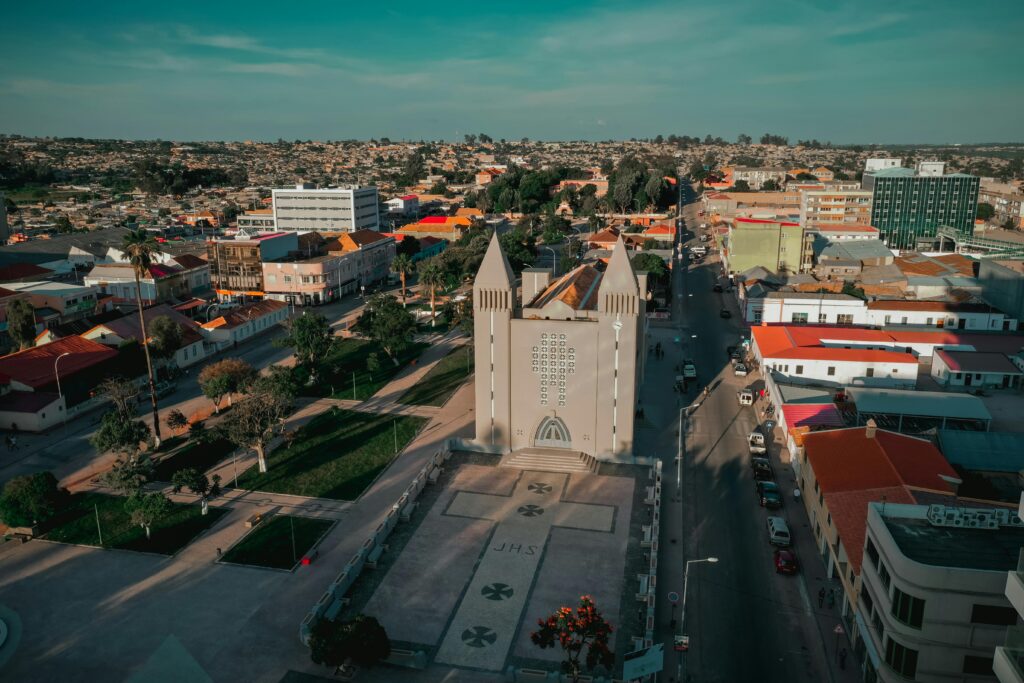
Pope Leo XIV used the first day of his visit to Angola on Saturday, April 18, 2026, to deliver one of the sharpest critiques of foreign exploitation of Africa ever spoken from the Vatican, denouncing the “logic of extractivism” that has left the continent rich in resources yet poor in development for its own people.
Speaking at a ceremony with authorities, civil society leaders, and the diplomatic corps in Luanda, the Pope said Africa had endured far too long a situation in which its oil, minerals, and agricultural wealth flowed outward while its people were left to grapple with poverty, environmental devastation, and political instability.
Angola: Oil Riches and Persistent Poverty
Angola is sub-Saharan Africa’s second-largest oil producer, yet the majority of its 36 million citizens live in poverty. Decades of conflict — including a brutal 27-year civil war that ended in 2002 — shattered infrastructure and displaced millions. Today, despite oil revenues that have generated enormous wealth for a small elite and foreign partners, infant mortality remains high, schools are under-resourced, and basic healthcare is out of reach for many.
“The soil of Africa is generous, but the profits it generates rarely remain in African hands,” the Pope said in his Luanda address. “This is not an accident. It is a system, and systems can be changed.”
‘Social and Environmental Disasters’
The Pope specifically referenced what he called “the social and environmental disasters linked to a logic of extractivism” — a phrase that went viral across African social media within hours of his speech. He linked environmental destruction directly to human suffering, arguing that mining and drilling operations that poison water sources and displace farming communities are moral crises, not merely technical or regulatory ones.
“When a river can no longer be drunk from, when a farm can no longer be farmed, when a community is scattered — these are not side effects. They are the fruit of a choice. And that choice can be made differently,” he said.
A Broader Africa Tour
Angola is the first stop on a broader African tour by Pope Leo XIV, who was elected earlier this year in a papal conclave that drew global attention given the Catholic Church’s enormous following on the African continent. Africa now has more Catholics than any other continent, and the Vatican has made clear that the Pope’s priorities will be shaped, in no small part, by the concerns of African bishops and faithful.
Cameroon is next on the itinerary, where the Pope is expected to address the deepening Anglophone crisis that has displaced hundreds of thousands. He arrived in Cameroon on Friday, April 17, drawing enormous crowds to open-air Masses celebrated in Yaoundé and Bamenda — cities that have seen some of the worst violence in the separatist conflict.
‘Tyrants’ Comment and Geopolitical Friction
The Pope’s visit to Cameroon came just days after he publicly criticized “tyrants” who spend billions on wars while populations suffer — remarks that drew a sharp response from the White House and set off a diplomatic controversy. In Cameroon, he clarified that his comments were not aimed at any specific individual or nation, though he did not walk back the underlying message.
For many Africans, the episode reinforced a growing sense that the new Pope was willing to speak plainly about issues their own governments often avoided — or were complicit in. On the streets of Luanda and Yaoundé, reaction to his words was overwhelmingly positive.
“Finally someone at this level says what we have been saying for years,” said José扑, a community organizer from Angola’s oil-rich Cabinda province. “They take our oil and leave us with nothing.”
Whether the Pope’s words will translate into changed policies — either in Angola or in the broader global system he critiqued — remains to be seen. But for millions of Africans, his visit has already done something significant: it has put the question of exploitation and justice at the top of a global agenda.