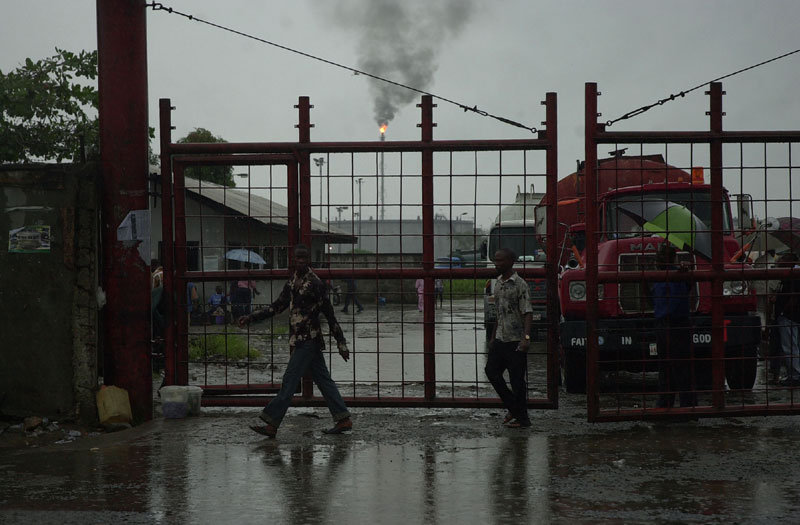
Aliko Dangote, Africa’s wealthiest individual, is preparing to list approximately ten percent of his landmark oil refinery in a multi-exchange Initial Public Offering that analysts are already calling the most significant capital markets event in African history. The offer, expected to open for subscription as early as May or June 2026, will target listings on multiple African exchanges simultaneously, reflecting Dangote’s ambition to make share ownership genuinely pan-African. The refinery, located in the Lekki Free Zone near Lagos, represents a $20 billion investment that began commercial operations in 2023 and has since transformed Nigeria’s downstream petroleum landscape.
A Refinery That Changed the Map
When Dangote’s refinery first fired up its furnaces in 2023, it marked the end of Nigeria’s status as a large crude oil exporter that imported nearly all of its refined fuel. With a capacity of 650,000 barrels per day, the facility is the largest single-train refinery in the world — a scale that places it in a category previously reserved for a handful of state-owned giants in the Middle East. The refinery quickly began processing Nigerian crude and exporting refined products, displacing imports that had long drained foreign exchange reserves. For a country that spent billions annually importing petrol, diesel, and jet fuel, the facility represents both an industrial triumph and a strategic asset of national importance.
The IPO in Context
The announcement that Dangote would sell a ten percent stake through a public offering signals a new phase for the conglomerate. While the Dangote Group has been privately held, the IPO reflects a broader shift toward shareholder diversification and transparent corporate governance — a notable development in a market where family-owned businesses dominate. The $40 billion valuation attached to the listing reflects the asset’s strategic importance and its revenue-generating potential. With Africa’s fuel demand projected to rise steeply over the coming decades — driven by population growth, urbanization, and expanding transportation networks — the refinery’s cash flows are expected to be substantial and growing. Analysts say the offering is likely to attract significant interest from African institutional investors, pension funds, and sovereign wealth vehicles looking for high-quality domestic assets.
What the Money Funds
According to publicly stated plans, the capital raised will fund a five-year expansion program that includes doubling refining capacity, building additional petrochemical processing lines, and quadrupling fertilizer production. The company has also indicated it may use part of the proceeds to reduce debt incurred during the refinery’s construction phase. The expansion ambitions reflect Dangote’s long-held belief that Africa’s industrial future depends on capturing more value within the continent rather than exporting raw materials and importing finished goods. Not everything is straightforward. Nigeria’s regulatory environment, fuel pricing subsidies, and currency volatility have all created operational challenges. The government’s subsidy regime has at times constrained the refinery’s profitability, though recent reforms have improved the pricing environment. The IPO will also test investor appetite for a company whose finances have historically been opaque. Trust-building with institutional investors will be a critical task in the weeks ahead.