Pope Leo XIV Denounces Extractivism in Angola Visit, Challenges Africa’s Resource Curse
Pope Leo XIV arrived in Angola on Saturday with a stark message for the oil-and-mineral-rich southern African nation: Africa’s wealth has been stolen for centuries, and it is time to break the cycle.
In his first address to Angolan government authorities in Luanda, the pontiff — history’s first US-born pope — condemned what he called the ‘logic of extractivism’ that has reduced the African continent to a source of raw materials for the rest of the world while its own people languish in poverty.
You know well that all too often people have looked — and continue to look — to your lands in order to give, or, more commonly, in order to take, Leo told assembled ministers, diplomats, and civil society leaders. It is necessary to break this cycle of interests, which reduces reality, and even life itself, to mere commodities.
A Country Built on Wealth — and Want
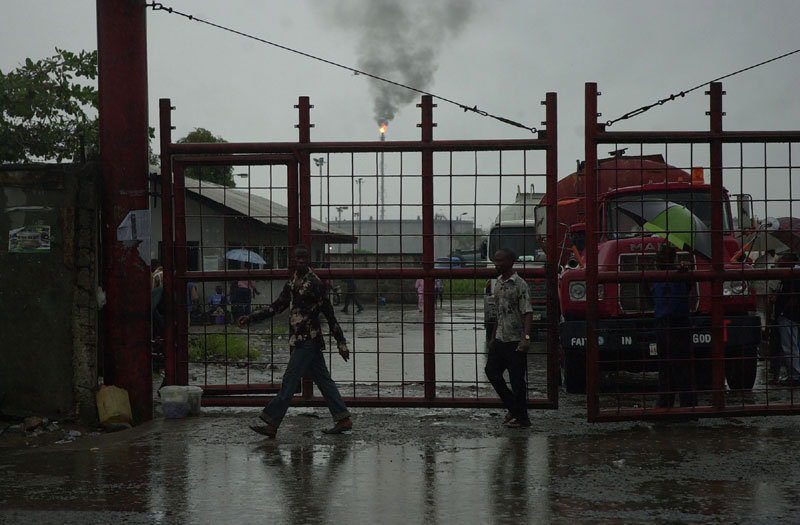
Angola is simultaneously one of Africa’s richest and most unequal nations. The country is the fourth-largest oil producer on the continent, the world’s third-largest diamond producer, and holds vast deposits of gold and critical minerals including cobalt and rare earths — the very materials powering the global green energy transition.
Yet according to World Bank data from 2023, more than 30 percent of Angola’s 38 million people survive on less than .15 a day. The stark disconnect between the country’s natural wealth and its people’s living standards has long symbolised what economists call the resource curse.
How much suffering, how many deaths, how many social and environmental disasters are brought about by this logic of extractivism! Leo said. At every level, we see how it sustains a model of development that discriminates and excludes.
Angola’s Special History
Angola gained independence from Portugal in 1975 after a long liberation war. But instead of peace, the country descended into a devastating civil war that lasted, with brief intervals, until 2002 — 27 years of fighting that killed more than half a million people.
Chief among those accused of profiting from the chaos was Jose Eduardo dos Santos, who led Angola for 38 years from 1979 to 2017. His administration has been accused of diverting an estimated 4 billion in public money to his family and close associates.
The Church and the Slave Trade
One of the most symbolically resonant moments of the visit was when Leo travelled to Muxima, south of Luanda. There he prayed the rosary at the Church of Our Lady of Muxima — a site built by Portuguese colonisers at the end of the 16th century as part of a fortress complex that served as a major hub in the trans-Atlantic slave trade.
More than 5 million enslaved Africans were shipped out of Angola during the colonial period, out of approximately 12.5 million total across the entire slave trade. Leo himself has Black and white ancestors, including both enslaved people and slave owners, according to genealogical research.
A Pope at the Centre of Geopolitics
The Angola visit came against a backdrop of ongoing diplomatic tension between Leo and US President Donald Trump. The two leaders clashed publicly over the Iran conflict, with Trump attacking the pontiff on social media and Leo responding with thinly veiled criticism of unnamed tyrants who spend billions on war.
Whether the Pope’s blunt language will translate into lasting change in Africa’s relationship with its resource wealth remains to be seen. But in Luanda on Saturday, his message was clear: the old extractractive model has failed, and something different must take its place.