DRC and M23 Rebels Agree to Protect Civilians in Landmark Swiss Talks
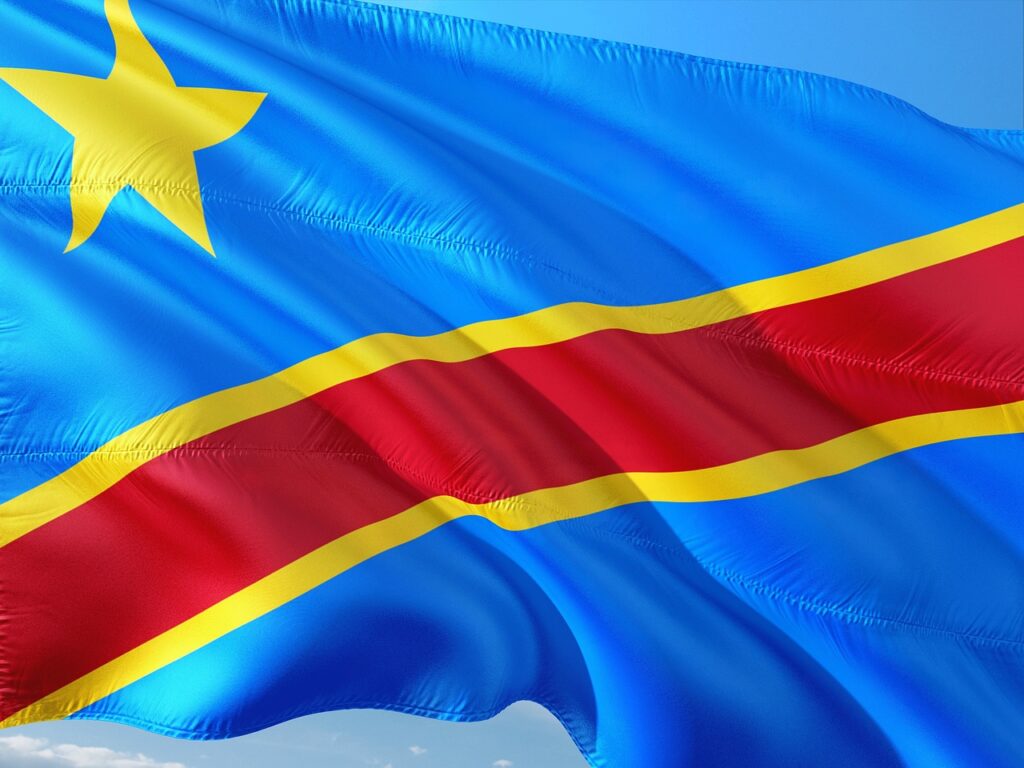
The government of the Democratic Republic of the Congo and the Rwanda-backed M23 rebel group have reached a new agreement to facilitate humanitarian aid deliveries and release prisoners within 10 days, marking a tentative but significant step toward easing one of Africa’s longest-running humanitarian crises.
The two sides announced the measures in a joint statement shared by the United States Department of State on Saturday, following five days of talks held in Montreux, Switzerland — a town on the scenic shores of Lake Geneva that has increasingly served as a diplomatic venue for high-stakes African negotiations.
A Conflict That Refuses to End
Since 2021, the M23 group — whose name refers to a failed peace agreement signed in March 2009 — has seized vast swaths of territory in eastern DRC, an area that has endured more than three decades of near-continuous conflict. Backed by Rwanda according to multiple UN reports and Western governments, the rebels have pushed hundreds of thousands of civilians from their homes, overwhelmed regional militaries, and resisted every international effort to bring them to heel.
Despite signing a US-brokered peace agreement in December, fighting has continued unabated. In recent weeks, clashes have spilled into the highland areas of South Kivu province. Human Rights Watch warned last week that both parties have been blocking aid deliveries and preventing civilians from fleeing the South Kivu highlands, trapping an estimated tens of thousands of people in conditions of acute danger.
What the Agreement Says
According to the joint statement, both the DRC government and the M23 group committed to three core obligations. On humanitarian access, both parties agreed to refrain from any action that would undermine the principled delivery of humanitarian assistance. Medical care for the wounded and sick is also to be facilitated without obstruction. On civilian protection, both sides pledged not to target civilians. On prisoner release, a confidence-building measure with releases to be completed within 10 days.
In addition, the two sides signed a memorandum of understanding for a ceasefire monitoring mechanism. Under this framework, a joint body will conduct surveillance, monitoring, verification, and reporting on the implementation of the permanent ceasefire.
International Mediators Welcome the Deal
The latest round of talks in Montreux brought together an unusually broad coalition of international mediators. Representatives from Qatar, the United States, Switzerland, the African Union Commission, and Togo all participated. The presence of Qatari officials is particularly notable, given Doha’s growing role as a back-channel diplomatic interlocutor in multiple conflicts.
Scepticism Remains
Past peace deals between Kinshasa and the M23 have collapsed almost as quickly as they were signed. The December 2025 agreement was hailed as a breakthrough but failed to stop the fighting. More than 150,000 people have been displaced in South Kivu alone since December.
Civilians in South Kivu’s highlands are facing a dire humanitarian crisis and live in fear of abuses by all parties, said Clementine de Montjoye, senior Great Lakes researcher at Human Rights Watch.
A Long Road Ahead
Even optimists acknowledge that Saturday’s agreement is only a first step. The underlying drivers of the conflict — Rwanda’s strategic interest in eastern DRC’s minerals, the proliferation of dozens of other armed groups, and the staggering humanitarian needs of a country the size of Western Europe — remain firmly in place.
The next round of talks is expected to address the more contentious issues of disarmament, demobilisation, and the political future of the eastern provinces. For now, the world waits to see whether this fragile agreement can hold.