Nigeria’s Vice-President Shettima Begins Two-Week Leave, First Since Taking Office
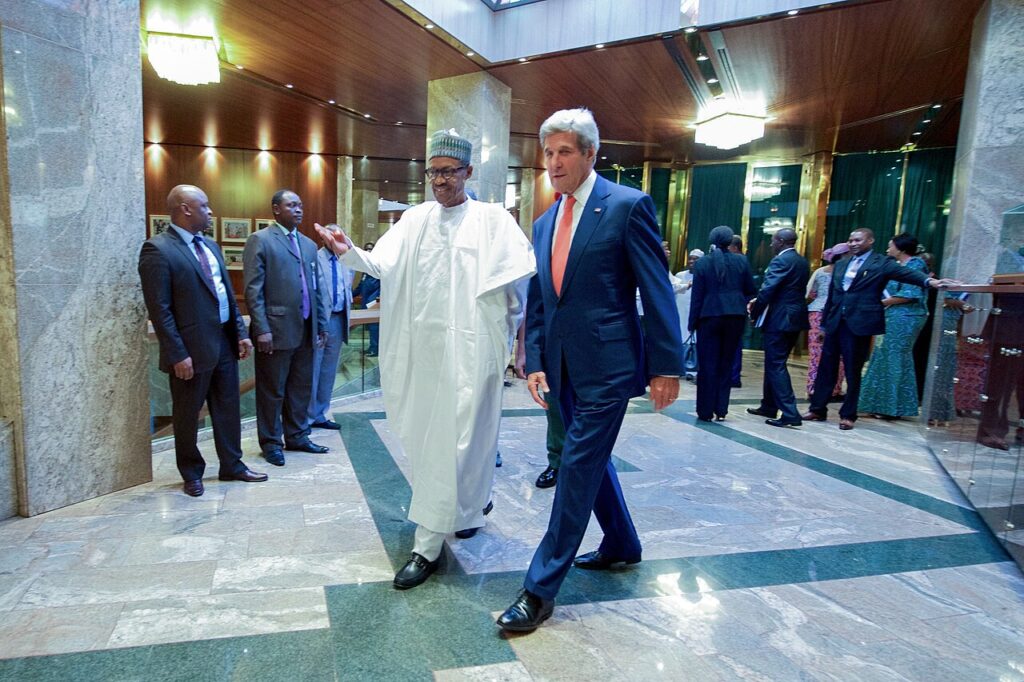
Nigeria’s Vice-President Kashim Shettima has commenced a two-week leave, his first break from official duties since assuming office over three years ago, according to AllAfrica, citing This Day newspaper.
The vice-president, who took office in May 2023 alongside President Bola Tinubu, began the leave on Thursday. He previously served as governor of Borno State in northeastern Nigeria from 2011 to 2019, before being elected to the Senate and subsequently named as Tinubu’s running mate on the All Progressives Congress ticket for the 2023 presidential election.
The absence from his public schedule marks the first extended break Shettima has taken since the administration was inaugurated. During his tenure, the vice-president has maintained a busy public calendar, participating in cabinet meetings, representing Nigeria at regional and international forums, and chairing the National Economic Council, which brings together the governor of the Central Bank and Nigeria’s state governors to coordinate fiscal policy.
Under Nigeria’s 1999 constitution, the vice-president serves as the principal deputy to the president and assumes the powers of acting head of state when the president is temporarily absent from the country or otherwise unable to discharge the duties of office.
AllAfrica reported, citing This Day, that no specific itinerary or destination was disclosed for the two-week break.
The break comes against the backdrop of the Tinubu administration’s ongoing economic reforms, which include the removal of long-standing fuel subsidies, the liberalisation of the foreign exchange market, and efforts to attract foreign direct investment. These policies have been central to the vice-president’s public portfolio and have shaped much of his diplomatic and domestic engagement since May 2023.
Sources
This report was written from coverage published by the following news organisations. Follow the links for the original reporting.
- AllAfrica — Nigeria: Shettima Begins Two-Week Leave Thursday