Nigeria’s Resident Doctors Threaten Nationwide Strike Over Unmet Demands
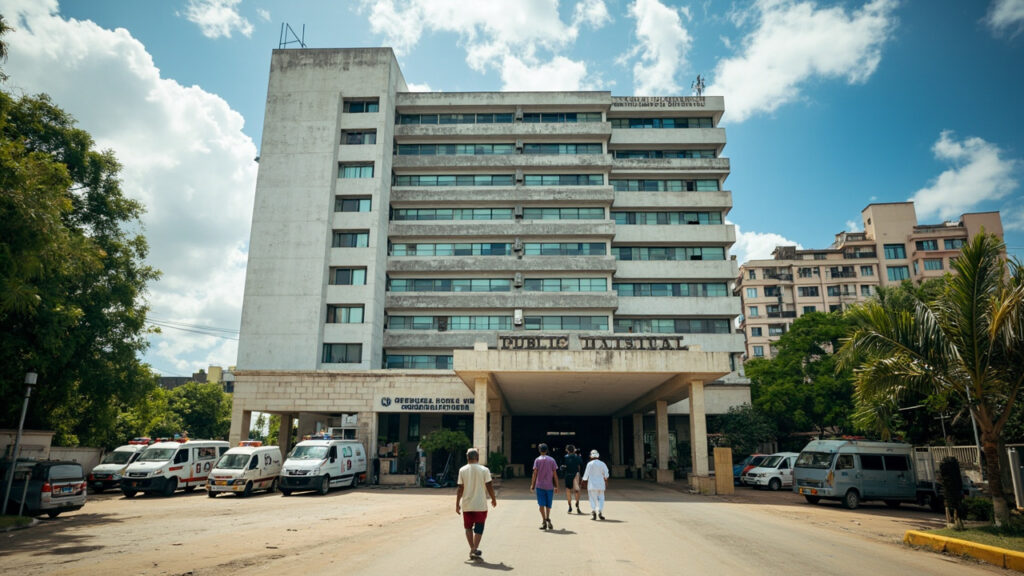
The National Association of Resident Doctors (NARD) has threatened to begin a nationwide strike on 10 August unless its demands are addressed before the deadline, according to AllAfrica, which cited reporting by Premium Times. The association said the proposed action, which it has labelled the “Total and Comprehensive Industrial Strike” (TICS), would commence at 8 a.m. on that date.
NARD represents resident doctors — medical school graduates in postgraduate specialist training — across Nigeria’s federal and state teaching hospitals. Resident doctors form the backbone of clinical care in the country’s tertiary health institutions, running daily ward rounds, emergencies and surgical teams under consultant supervision. Their withdrawal from service typically halts most non-emergency operations in the country’s largest public hospitals.
A wider pressure on Nigeria’s health system
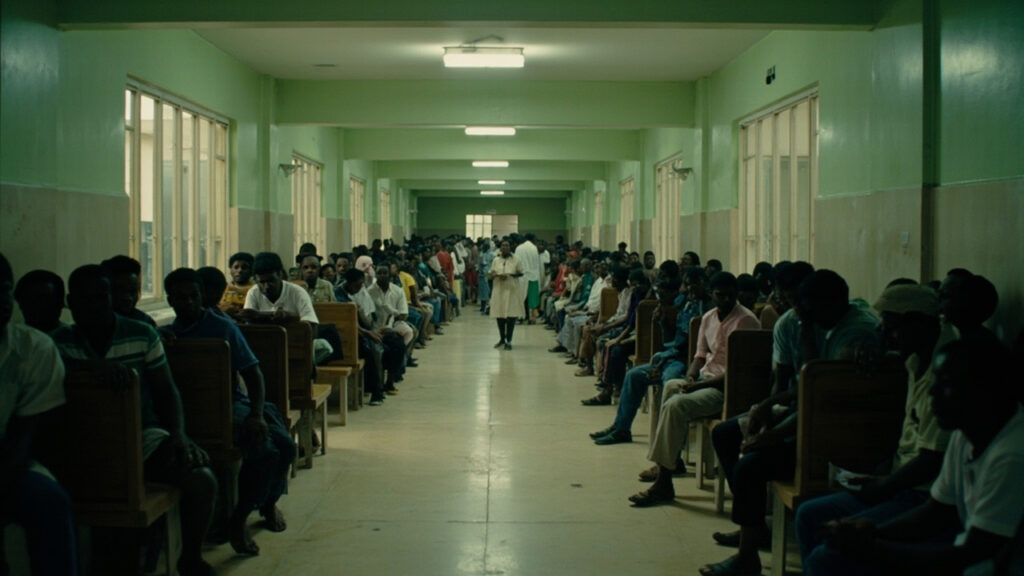
The threat comes against a backdrop of long-standing strain in Nigeria’s publicly funded health sector. The country has one of the lowest doctor-to-population ratios in the world, and federal teaching hospitals in cities such as Lagos, Ibadan and Abuja routinely operate beyond their intended capacity. Years of underinvestment, the outflow of Nigerians seeking treatment abroad, and the migration of Nigerian-trained doctors overseas have compounded the workload borne by those who remain in the public system.
Industrial action by doctors and other health workers has recurred in Nigeria over the past decade, with disputes typically centring on pay, allowances, hazard compensation and the funding of residency training programmes. Previous walkouts have stretched on for weeks, often ending only after government commitments that have been inconsistently honoured. The unresolved pattern has become a recurring feature of the country’s health-policy landscape.
With the 10 August deadline now approaching, attention is turning to whether the federal government and NARD can reach an agreement before resident doctors withdraw their services. A breakdown in talks would once again test the resilience of Nigeria’s already fragile public healthcare delivery at a moment when the system can least absorb further disruption.
Sources
This report was written from coverage published by the following news organisations. Follow the links for the original reporting.