Nigeria’s Police Reform Bill Advances in Senate, Sparking Debate Over Federalism and Security
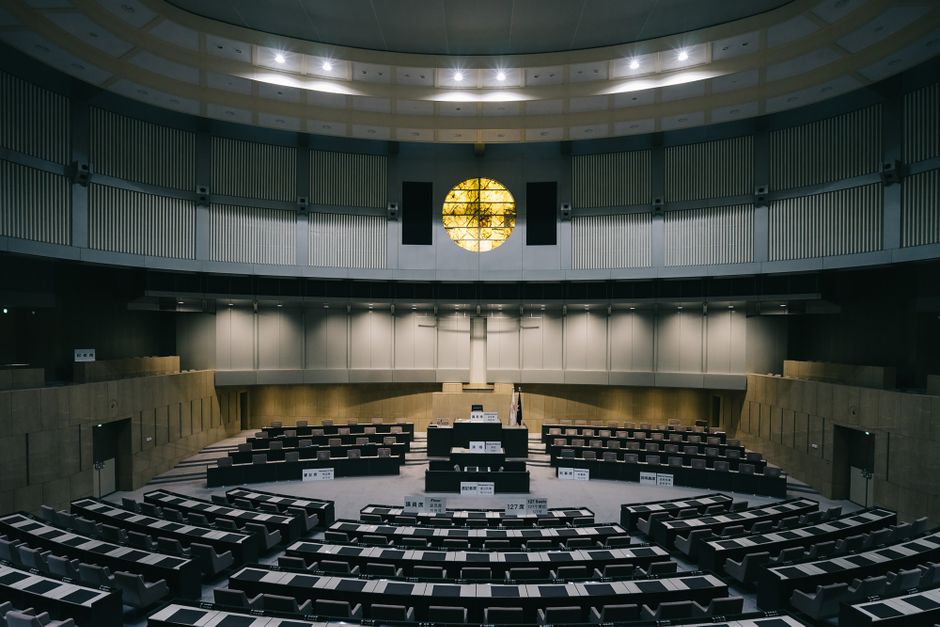
Nigeria’s Senate has approved long-debated legislation that would allow the country’s 36 states to establish their own police forces, a move supporters describe as a long-overdue restructuring of an overstretched federal security apparatus, but which critics warn could deepen the country’s already volatile political landscape.
The bill, passed on June 24, comes amid renewed scrutiny of Nigeria’s security situation following a mass abduction at a school in the southwest of the country — a region that has historically been considered among the safer parts of the federation. The incident has once again highlighted the strain on Nigeria’s centralised police structure and revived a national conversation about decentralising law enforcement.
A long-running debate over state policing
The proposal to permit state-controlled police forces is not new in Nigerian politics. For decades, subnational leaders, particularly from regions hit hardest by armed groups, kidnappings and banditry, have argued that a one-size-fits-all federal police service is ill-equipped to address local security realities. Proponents say state forces would be more responsive, better informed about local conditions and able to complement the overburdened Nigeria Police Force, which is currently responsible for policing duties across the entire federation.
Under the current arrangement, policing is largely a federal responsibility. State governors who have pushed for reform contend that local command structures would improve intelligence gathering and rapid response, particularly in rural areas where federal presence is thin.
Warnings from analysts and civil society
Despite the Senate’s approval, the bill faces significant opposition from security analysts, civil society groups and sections of the political class. Experts caution that empowering Nigeria’s powerful governors to control armed police forces could embolden political violence in a country where state-level contests are already frequently marked by intimidation, thuggery and, in some cases, lethal clashes between rival factions.
Critics also point to the risk that state police could be deployed against political opponents, opposition figures or dissenting communities, particularly in states where the rule of law is already weak. Concerns about accountability, training standards and the potential militarisation of local politics have shaped much of the resistance to the reform.
What happens next
The Senate’s approval is only one stage in the legislative process. The bill must still be considered by the House of Representatives and, if passed, receive presidential assent before becoming law. Even then, implementing state-level police forces across Nigeria would require substantial constitutional and logistical adjustments, including provisions for funding, recruitment and oversight.
For now, the debate has underscored a central question in Nigerian public life: whether a more decentralised security architecture can deliver safer communities without exposing citizens to new forms of abuse by their own political leaders.
Source: FRANCE 24 — read the original report by Sam Olukoya.