Nigeria Opposition Unites Behind Peter Obi for 2027 Race in Most Consequential Political Recalibration in Years
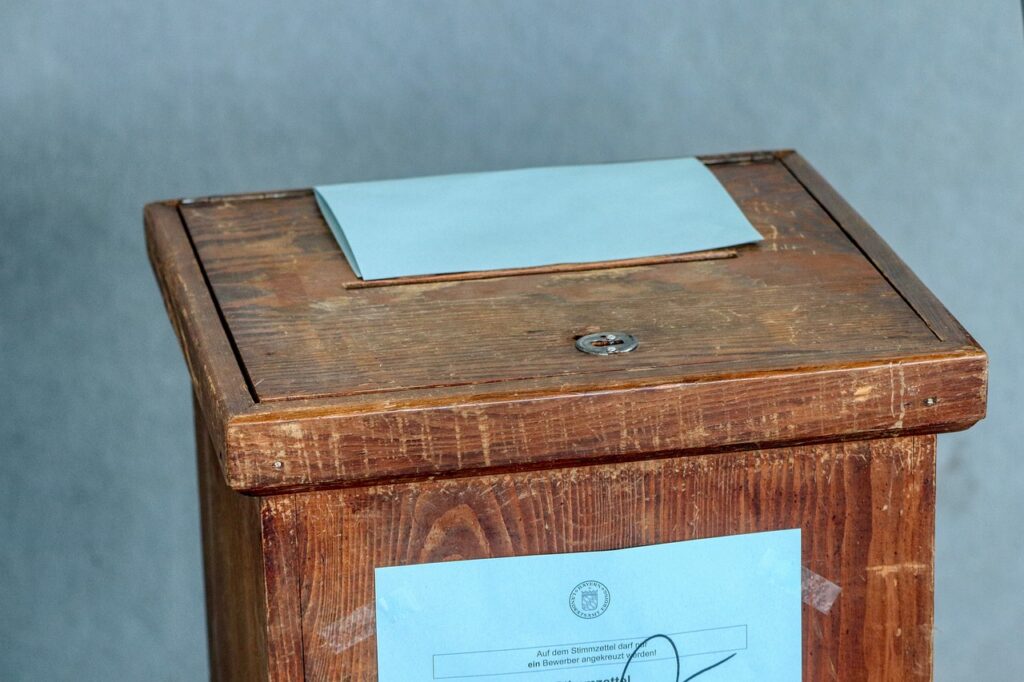
Nigeria main opposition party, the Peoples Democratic Party, named former Anambra State Governor Peter Obi as its presidential candidate for the 2027 election on June 1, 2026, setting up what analysts described as the most consequential electoral contest in Africa largest economy since the end of military rule. The decision was confirmed at a closed session of the party National Executive Committee, ending weeks of speculation that had dominated political commentary across the country.
Obi, who ran as the Labour Party candidate in the contentious 2023 election that handed President Bola Tinubu his victory, brings a reformist reputation, a strong social media following, and a message of national restructuring that has resonated particularly with young Nigerian voters — a demographic that represents the fastest-growing segment of the country electorate.
Why Single Candidate Strategy Matters
The designation of a single opposition candidate, rather than the fractured multiple-candidate approach that plagued the 2023 opposition strategy, could fundamentally reshape the 2027 race. In 2023, Atiku Abubakar of the PDP, Obi of the Labour Party, and other challengers split the anti-Tinubu vote across three major candidates — a division that political scientists argued cost the opposition any realistic path to victory. The decision to coalesce around one candidate reflects lessons painfully learned.
Tinubu Mixed Record
President Bola Tinubu, who assumed office in May 2023 and immediately eliminated the fuel subsidy and floated the naira, enters the 2027 cycle with a mixed record. His defenders point to a stabilised naira, foreign direct investment flows that accelerated in 2025 and 2026, and infrastructure commitments. His critics point to the painful cost-of-living squeeze that followed the subsidy removal — prices for fuel, food, and housing rose sharply in real terms for millions of Nigerians who were already struggling.
The Deepfake Threat
Nigeria electoral commission, INEC, convened an emergency task force in late May to address a surge in deepfake videos allegedly showing candidates making statements they never made. Cases of AI-generated political disinformation rose by more than 340 percent across Africa between 2024 and 2026. INEC chair warned that deepfake videos could undermine confidence in the electoral process itself if the public cannot distinguish genuine political communication from fabrication.
Obi Coalition Strategy
The strategy reportedly involves reaching beyond the party traditional base toward a broader anti-incumbency coalition drawing on the youthful urban electorate. For Obi, the challenge ahead is formidable — running a presidential campaign in Nigeria requires navigating 36 states plus the Federal Capital Territory while building organisational capacity in areas where the incumbent party structure has been entrenched for decades.