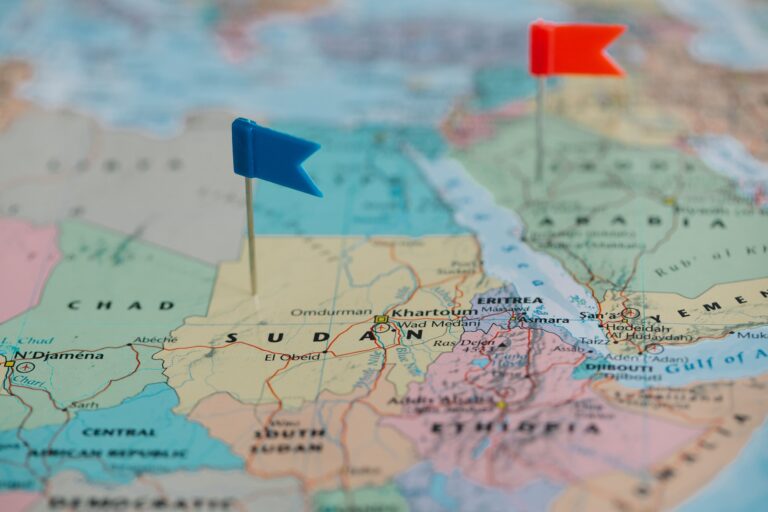
Mozambique Turns to China for Industrial Boost as Western Influence Wanes
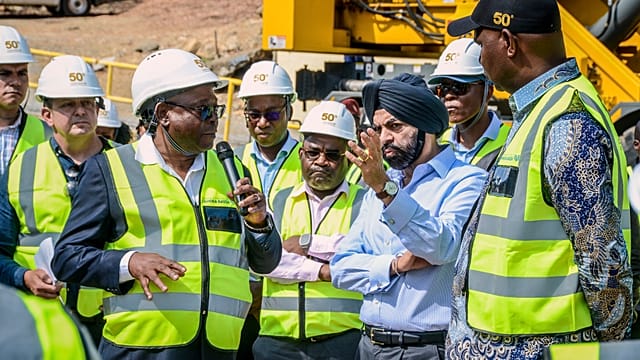
Mozambique is accelerating its pivot toward China as the Southeast African nation seeks to industrialize its economy and reduce its dependence on traditional Western partners. A series of new agreements signed in recent months will channel Chinese investment into Mozambican ports, railways, and manufacturing facilities — part of a broader trend across the continent as Beijing’s footprint in Africa continues to expand.
The deals come at a time when Mozambique is recovering from a decade of economic shocks — a secret debt scandal, a cyclones crisis, and an insurgency in the north that disrupted one of the world’s largest liquefied natural gas projects. For a country that once seemed destined to become a gas-export powerhouse, the path forward has become far more complicated.
China’s Growing Foothold
Chinese companies have been active in Mozambique for years, primarily focused on coal mining and port operations. But the new agreements mark a shift toward broader industrial engagement. Chinese state-linked firms are now involved in upgrading Mozambique’s logistics infrastructure — including the ports of Beira and Maputo — and in developing special economic zones designed to attract manufacturing investment.
Mozambique’s Maputo port, already one of the busiest on Africa’s Indian Ocean coast, is being expanded with Chinese financing. A new rail link connecting the port to landlocked neighboring countries is in the planning stages, part of a strategy to position Mozambique as a regional trade hub.
For China, Mozambique is part of a broader strategy. The Belt and Road Initiative, China’s signature global infrastructure program, has made significant inroads in Africa, financing ports, railways, and highways from Kenya to Ethiopia to Senegal. Mozambique, with its strategic coastline and rich natural resources, fits neatly into that vision.
Western Retreat and Its Consequences
Mozambique’s turn toward China reflects a broader pattern across the continent: as Western engagement in Africa has become more inconsistent and ideologically driven, African governments have sought alternatives. China offers something the West often cannot or will not: patient capital, no lectures on governance, and the ability to build things fast.
The United States and European powers have not been absent — they remain significant trading partners and sources of development finance — but their influence has been eclipsed by China’s more aggressive and comprehensive approach. The result is a more multipolar African economy, one in which African governments can play competing powers off against each other to extract better deals.
Whether that dynamic benefits African countries in the long run depends on how wisely their governments negotiate. The history of Chinese investment in Africa is mixed — some projects have created genuine value, while others have left countries with infrastructure they cannot use and debts they cannot service.
The LNG Complicated Picture
The complicating factor in Mozambique’s industrial future is its vast natural gas reserves. The country’s offshore Rovuma basin holds one of the largest single LNG deposits in the world, and for a decade, Western energy majors — including TotalEnergies, ExxonMobil, and ENI — invested billions in developing the resource.
That picture changed dramatically in 2021, when a jihadist insurgency forced TotalEnergies to declare force majeure and suspend its 20 billion dollar LNG project in the northern province of Cabo Delgado. The company has since committed to restarting operations, but the timeline is uncertain, and the northern insurgency remains unresolved.
China’s interest in Mozambique’s gas sector is growing, but Western energy companies remain the primary developers for now. How Mozambique navigates the relationship between its Western partners and Chinese lenders will be critical to whether the country can translate its natural resource wealth into broad-based economic development.
What It Means for Africa
Mozambique’s experience illustrates a broader dynamic playing out across the continent. African governments increasingly see China as a reliable partner for infrastructure and industrialization — a partner that does not demand good governance as a precondition and that delivers projects on time and on budget.
That pragmatism is understandable. African countries face urgent development needs, and China has shown it can meet them. But pragmatism has limits. Debt sustainability remains a concern. The quality of Chinese-built infrastructure is sometimes poor. And the political strings that come with Chinese investment — including requirements to use Chinese workers and contractors — can limit local economic benefits.
Mozambique is navigating these tensions as best it can. Whether its bet on China pays off — whether the investment translates into jobs, growth, and broader development — will be a story to watch closely.
More From Politics & Governance

At inaugural lecture, Prof Adeniyi calls for stronger digital governance amid technological shifts in migration
Nigeria’s economic reforms yielding gains, but poverty levels remain high – IMF