Morocco’s Tiznit-Dakhla Highway and Its Geopolitical Significance
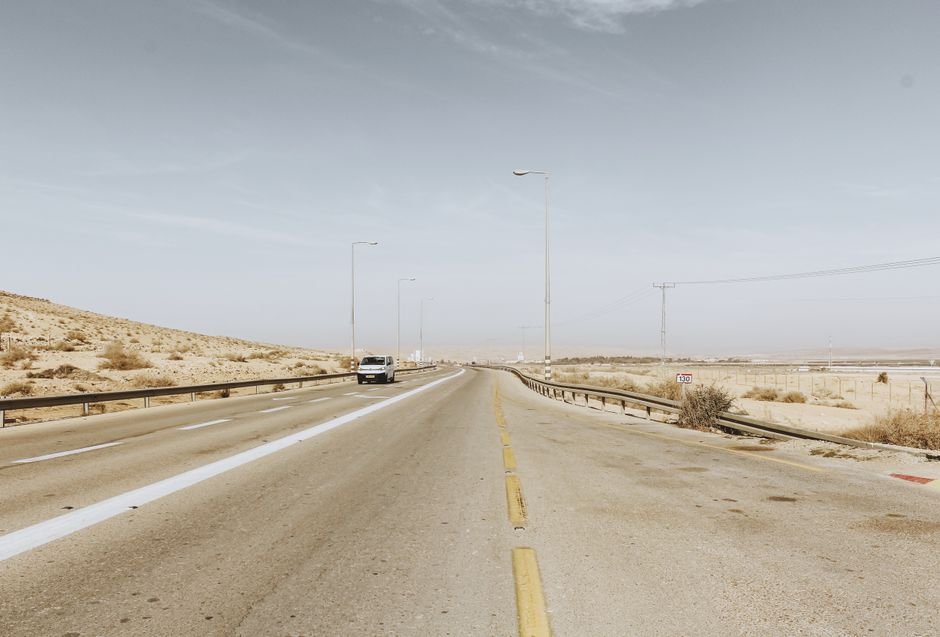
A stretch of Moroccan highway connecting the southern city of Tiznit to the Atlantic coastal town of Dakhla has drawn renewed international attention after former US President Donald Trump claimed that Morocco named the road after him. The assertion, made in recent public remarks, has thrust one of North Africa’s most ambitious infrastructure projects back into the spotlight, with analysts viewing it as the latest chapter in Morocco’s long-running effort to consolidate its presence in the disputed Western Sahara territory.
A Highway Through Disputed Territory
The Tiznit-Dakhla expressway runs for several hundred kilometers along Morocco’s southern Atlantic coast, cutting through territory that Rabat considers part of its sovereign domain but that the Polisario Front and segments of the international community regard as a non-self-governing territory awaiting self-determination. Officially opened in stages over recent years, the road is far more than a transport link. It serves as a physical and symbolic artery linking Morocco’s economic heartland to the southern provinces, enabling the movement of goods, people, and investment deep into the contested zones.
Infrastructure as Statecraft
Morocco has invested heavily in roads, ports, renewable energy plants, and housing developments across the southern provinces, framing these projects as part of a development model intended to benefit local Sahrawi populations. Critics, however, argue that such infrastructure is a tool of political consolidation, binding the territory more tightly to Rabat and altering demographic and economic realities on the ground. The Tiznit-Dakhla corridor, in particular, has been promoted as a driver of trade between West Africa, Europe, and the broader Sahel region, with Dakhla positioned as a future logistics and fishing hub.
The American Dimension
The naming controversy cannot be separated from the broader trajectory of US-Moroccan relations. During his first term, the Trump administration became the first major world power to formally recognize Moroccan sovereignty over Western Sahara, a move that aligned Washington with Rabat in exchange for Morocco’s normalization of ties with Israel under the Abraham Accords framework. The decision was widely seen as a diplomatic victory for Morocco and a setback for the Polisario Front’s diplomatic campaign. Naming a flagship highway after the former US president, if confirmed, would represent a continuation of that symbolic alignment and a reminder of how Rabat weighs gestures of gratitude in its foreign policy.
Why It Matters Beyond the Headlines
For Morocco, the highway embodies a strategy of asserting facts on the ground while seeking international validation. For the United Nations and parties to the long-stalled peace process, any act that signals enhanced Moroccan control over the territory complicates efforts to revive negotiations. For African and European partners with economic interests in the region, the road signals expanding trade opportunities regardless of the unresolved status dispute. The naming episode, whatever its precise origin, underscores how infrastructure, diplomacy, and symbolic politics remain deeply intertwined in one of Africa’s longest-running territorial conflicts.
Source: Al Jazeera — read the original report.