Archbishop of Canterbury renews commitment to £100m slavery reparations fund during Ghana visit
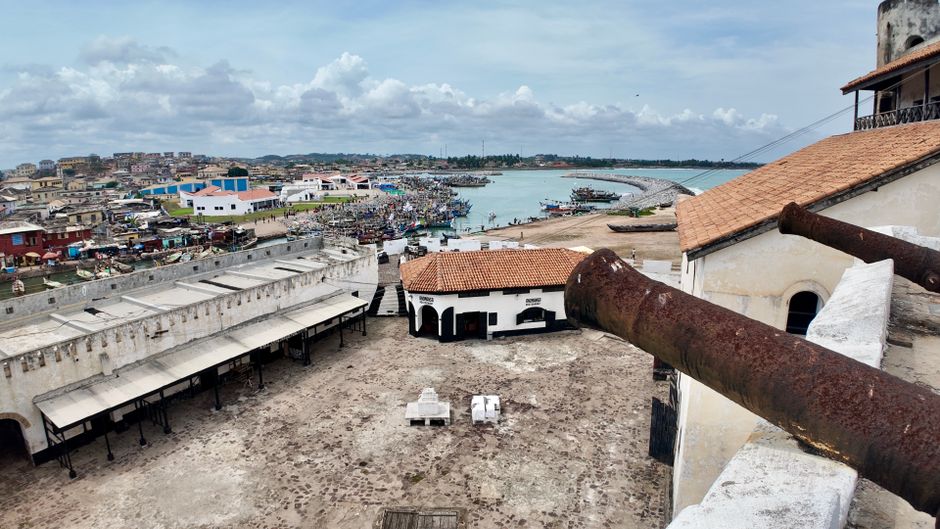
The Archbishop of Canterbury, Dame Sarah Mullally, has reaffirmed her commitment to a £100 million fund addressing the legacy of the transatlantic slave trade during a visit to Cape Coast Castle in Ghana. The renewed pledge underscores the Church of England’s ongoing effort to respond to the historical role played by some of its institutions and members in the slave trade.
A visit to a site of historical significance
Cape Coast Castle, located along Ghana’s Atlantic coast, served as one of the major holding facilities from which enslaved Africans were transported across the ocean during the transatlantic slave trade. Today, the fortress operates as a museum and memorial site, drawing visitors who seek to understand the scale and human cost of the trade. Dame Sarah’s visit placed her at a site widely recognised as central to the historical narrative of slavery and its enduring impact on communities across Africa, the Caribbean, and the Americas.
The £100 million fund
The fund, established by the Church of England, is intended to support initiatives linked to the legacy of slavery, including community projects, educational programmes, and partnerships with descendants of those affected by the trade. By returning to the commitment during her time in Ghana, the Archbishop signalled that addressing this history remains a priority for the Church’s leadership and its wider global Anglican community.
Reconciliation and continued dialogue
Engagement with West African nations, particularly Ghana, has been an important dimension of the Church’s wider efforts at reconciliation. Visits to historic slave trade sites such as Cape Coast Castle, Elmina Castle, and other memorials have been seen as opportunities to listen, learn, and strengthen ties with communities directly shaped by the trade. Dame Sarah’s presence in Ghana reflects an approach that combines symbolic recognition with practical financial commitment.
A wider reckoning
The Church of England’s slavery fund forms part of a broader international conversation about reparative justice and the responsibilities of institutions whose predecessors benefited from the slave trade. Several governments, universities, and religious bodies have in recent years launched similar reviews or funding mechanisms aimed at acknowledging past wrongs and contributing to present-day development in affected regions.
By renewing her commitment at one of the most poignant landmarks of the slave trade, Dame Sarah emphasised that the Church’s engagement with this history is intended to be ongoing, transparent, and tied to tangible outcomes for descendant communities.
Source: BBC News — read the original report.