MONUSCO Begins Withdrawal from Goma as DRC Ceasefire Holds — A Fragile New Chapter
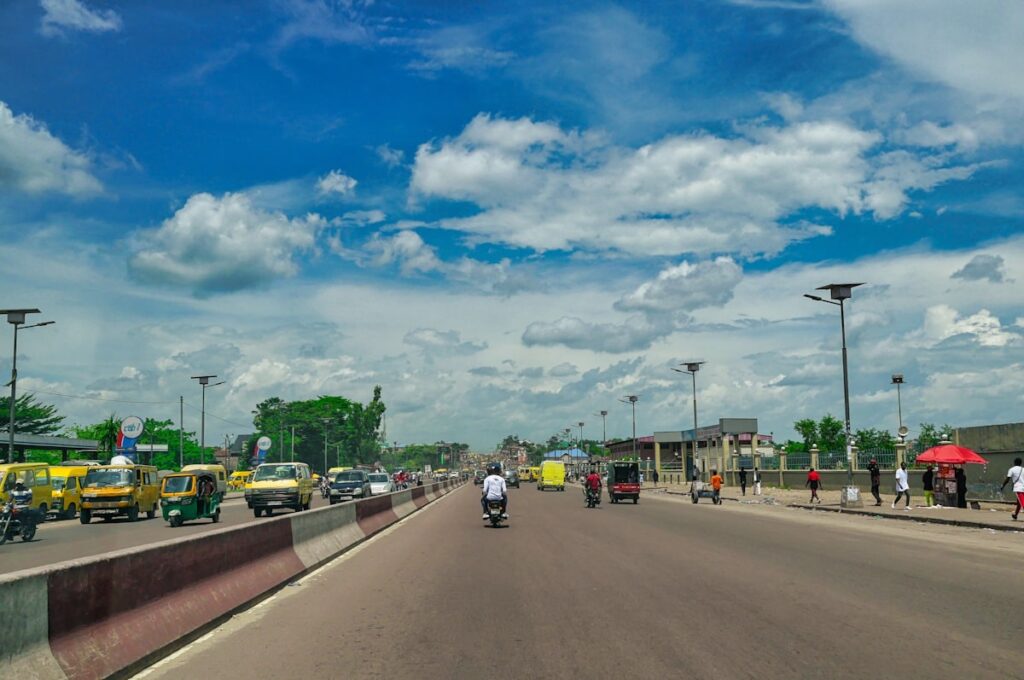
The United Nations peacekeeping mission in the Democratic Republic of Congo, MONUSCO, has begun withdrawing from Goma, the capital of North Kivu province, marking the end of a decades-long chapter in Africa’s most complex peacekeeping engagement. The move comes as a fragile ceasefire between the Congolese army and M23 rebel forces appears to be holding — at least for now.
What MONUSCO Is and Why It Matters
MONUSCO is the United Nations’ largest active peacekeeping operation in Africa. At its peak, it deployed over 19,000 troops and police officers across eastern DRC, a region that has experienced continuous conflict, mass atrocities, and humanitarian crises since the Second Congo War in the late 1990s.
Goma, on the shores of Lake Kivu, has been both the operational hub of MONUSCO and a frequent flashpoint. The city of over two million people has seen fighting approach its outskirts on multiple occasions, with MONUSCO forces often acting as a buffer between armed groups and the civilian population.
The mission’s mandate has evolved over the years — from protecting civilians to supporting state authority formation, to supporting the FARDC (Congolese national army) in its fight against armed groups. Critics have long argued that MONUSCO was overstretched, underfunded, and insufficiently equipped to fulfill its mandate. Supporters counter that without MONUSCO’s presence, Goma’s humanitarian situation would have been far worse.
The Withdrawal Timeline
The drawdown of MONUSCO from Goma has been planned in stages, coordinated between the UN, the DRC government, and regional bodies including the African Union and the East African Community (EAC).
Initial phases involve the redeployment of troops from forward positions around Goma to staging areas. The process is expected to continue through mid-2026, with a full MONUSCO transition plan calling for a significantly smaller presence by year’s end.
Key to the withdrawal’s viability is whether the FARDC can maintain security in areas vacated by MONUSCO. The FARDC has received increased support from regional forces — including the EAC’s standby force — but the Congolese army faces challenges including desertion, limited equipment, and internal cohesion issues.
The Ceasefire and Its Fragility
A ceasefire agreement between the FARDC and M23 — the rebel group primarily composed of Congolese Tutsi fighters — was negotiated under regional mediation. Early signs are cautiously encouraging: the ceasefire has held through multiple scheduled monitoring checkpoints, and reports of large-scale hostilities have diminished since implementation.
However, analysts warn against premature optimism:
- M23 controls significant territory in North Kivu, and the ceasefire largely legitimizes that territorial fact on the ground
- Smaller armed groups remain active and are not party to the ceasefire
- Political dialogue that is supposed to accompany the military agreements has not yet materialized in substantive form
- Humanitarian access remains restricted in areas under armed group control, with populations caught between warring parties
The Human Cost in Goma
Behind the diplomatic and military headlines, the people of Goma have endured decades of conflict.
The city has seen repeated displacement crises, with refugees and internally displaced persons flowing in from surrounding North Kivu territories. Camps for the displaced around Goma are home to hundreds of thousands of people, many of whom depend on humanitarian assistance for basic survival.
MONUSCO’s withdrawal creates anxiety among some of these populations, who see the blue helmets as their primary physical protection against armed groups. A transition support program — including community-based protection mechanisms and strengthened local law enforcement — is supposed to fill the gap, but its implementation is uneven.
Regional and International Dimensions
The DRC’s conflict is deeply regional. Rwanda’s involvement — repeatedly alleged by the DRC government and supported by a growing body of UN expert reports — continues to be a central factor. M23 is widely understood to receive support from Rwandan forces, a charge Rwanda denies.
The African Union and the UN have both endorsed the withdrawal and transition plan, while urging continued attention to the broader drivers of conflict in the Great Lakes region. International donors have pledged support for the DDR (disarmament, demobilization, and reintegration) program for ex-combatants — though disbursements have been slower than promised.
What Lies Ahead for DRC
The MONUSCO withdrawal and ceasefire, if they hold, could mark the beginning of a genuinely new chapter for eastern DRC — one in which civilians experience less direct violence and in which development investment finally reaches regions long neglected by both Kinshasa and the international community.
But the history of the Great Lakes region counsels caution. Ceasefires have collapsed before. Armed groups have rearmed. And the political will for genuine power-sharing and resource governance reform — the deeper solutions to the conflict — remains untested.
Goma watches and waits.
Sources: BBC Africa, Al Jazeera, Reuters, France 24, The Africa Report, AllAfrica, African News
More From Conflict & Security

The anxious money wait: Why African soccer fans dread payment disputes before major tournaments like the Fifa World Cup
How the US-Israel-Iran conflict is reshaping South Africa’s coal exports