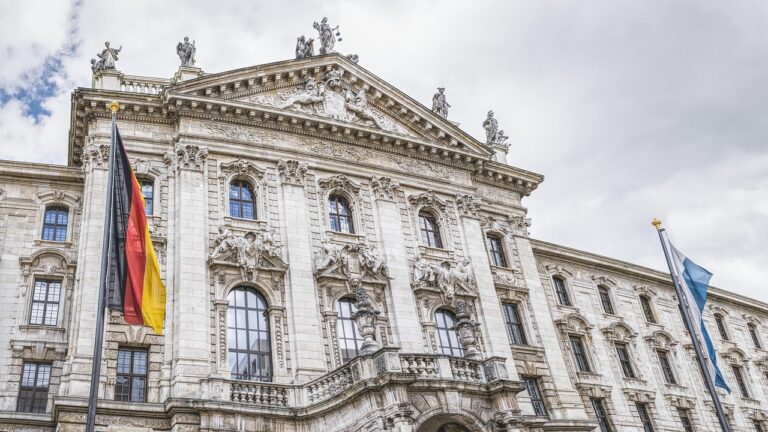
France and South Africa: A €100 Million Loan and the Diplomacy Behind It
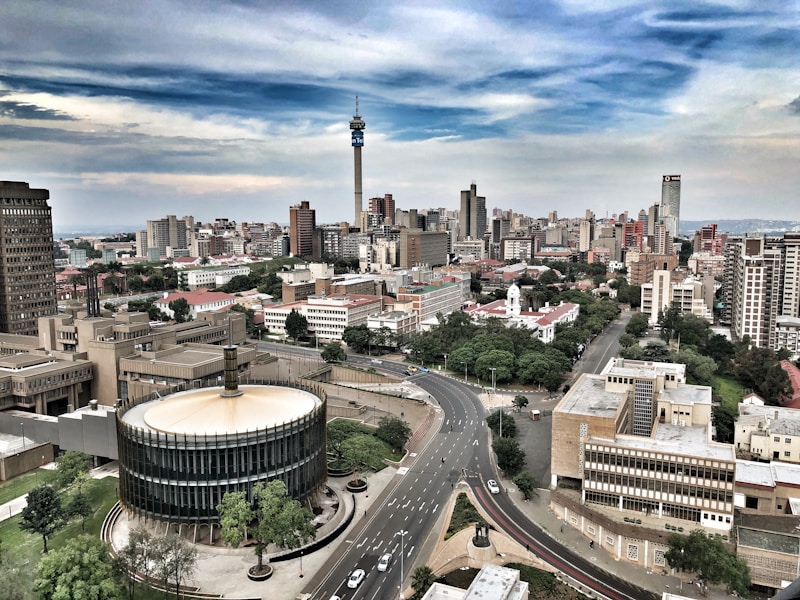
France and South Africa have entered into a significant new phase of bilateral cooperation, with Paris extending a €100 million loan to Pretoria to support urban infrastructure development in Johannesburg. The deal, announced following months of diplomatic talks, is being seen as both a practical investment and a carefully calibrated political signal.
The Deal at a Glance
The €100 million loan from France, administered through the French Development Agency (AFD), is earmarked for urban infrastructure projects in Johannesburg — South Africa’s economic hub and one of the continent’s largest metropolitan areas.
The funding will reportedly support upgrades to public transport corridors, water and sanitation infrastructure in underserved peri-urban areas, and climate resilience investments in flood-prone districts. The package adds to a broader 25 million infrastructure commitment already underway involving South Africa’s Metropolitan Municipality.
Why France Is Investing in South African Cities
France’s engagement with African cities is not new — the AFD has active programs across the continent, from Dakar to Nairobi. But the South Africa deal stands out in its scale and symbolism.
Several factors explain Paris’s interest:
- Strategic partnership: France has sought to deepen ties with South Africa as a regional anchor state, particularly in the context of the African Union and G20 positioning.
- Climate commitments: Both France and South Africa have made climate finance pledges, and urban infrastructure in South Africa offers a credible pipeline for green investment deployment.
- Commercial interest: French companies — from engineering firms to public transport operators — are active in South Africa’s infrastructure market, and development finance often creates pathways for commercial contracts.
- Counterbalancing competitor influence: Some analysts have noted that Chinese infrastructure investment has dominated the African landscape in recent decades. French development finance offers an alternative financing model, and Paris is keen to position itself as an engaged partner rather than a declining influence.
Diplomatic Friction Behind the Headlines
The deal was not without its tensions. Relations between France and South Africa have had their share of friction over the years, including disagreements over French nuclear policy in the Pacific and differing positions on certain multilateral votes.
Some observers noted a perceived coolness in bilateral relations during recent years, with Pretoria’s foreign policy pivoting more decisively toward China and the Global South. The loan package is being read by some commentators as France actively working to reverse that drift.
For South Africa’s government, accepting the loan comes with the need to navigate domestic sensitivities about dependence on Western financing — a concern that comes up regularly in debates over the country’s infrastructure financing strategy.
Johannesburg’s Infrastructure Challenge
Johannesburg, Africa’s richest city in economic output, faces paradoxically severe infrastructure deficits. Water loss from aging pipe networks is estimated at over 30%. Power interruptions are frequent. Public transport options remain inadequate for a metropolitan area that has sprawled rapidly without corresponding infrastructure investment.
The city’s government has been seeking financing from multiple international partners to address these gaps. The French loan is part of a broader portfolio approach, combining concessional loans, multilateral funding, and private sector participation.
What the Loan Means Practically
For Johannesburg residents, the practical implications depend on project implementation speed. Infrastructure loans of this nature typically involve procurement processes, feasibility studies, and environmental assessments that can delay actual construction by months or years.
The most anticipated components include rapid transit corridor upgrades that could improve bus and rail integration, wastewater infrastructure in areas where sanitation access remains inadequate, and flood mitigation works in catchments vulnerable to seasonal flooding.
A Test Case for South-South-North Finance
The deal is being watched across Africa as an example of innovative trilateral financing — French capital, South African implementation capacity, and outcomes benefiting urban populations.
Whether it leads to a broader deepening of French-South African relations, or remains a one-off transaction, will depend on follow-through on commitments and the durability of political will on both sides.
For now, Johannesburg’s infrastructure planners have a new inflow of capital — and the complex diplomatic dance that delivered it reveals just as much about international relations in 2026 as the projects the money will fund.
Sources: BBC Africa, Reuters, France 24, African Business, The Africa Report, Al Jazeera Africa
More From Politics & Governance
Tunisians Mark Five Years of Emergency Rule With Renewed Calls for Saied to Step Down
South African President Ramaphosa Secures Temporary Halt to ‘Farmgate’ Impeachment Inquiry