Kenya prepares for fresh wave of Gen Z protests two years after historic demonstrations
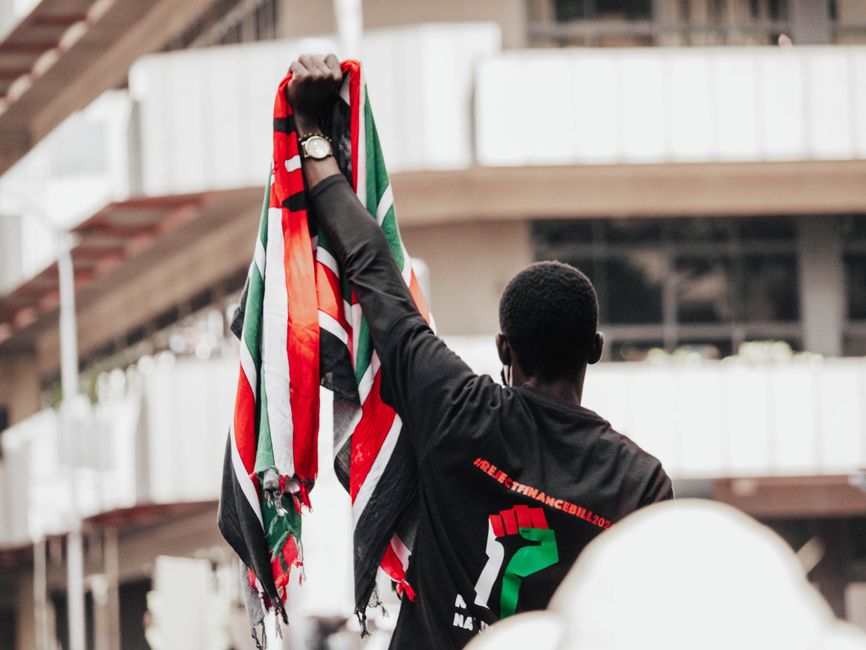
Kenyan authorities and civil society groups are bracing for a renewed wave of Gen Z-led street protests, two years after the youth-driven movement first emerged as a defining political force in the country. Organisers say thousands of demonstrators are expected to take to the streets in the coming days, echoing the mass mobilisations that shook President William Ruto’s administration and reshaped the national conversation around governance, economic policy and youth disaffection.
Echoes of the original movement
The original Gen Z protests, which broke out in mid-2024, were sparked by a proposed tax bill that drew widespread public anger. What began as a digital campaign on social media quickly evolved into a nationwide movement, with young Kenyans organising demonstrations in major cities and towns. The protests became one of the most significant displays of youth-led political activism in Kenya’s recent history, forcing the government to back down on several of its revenue-raising measures.
Beyond the immediate trigger, the movement drew attention to deeper frustrations among Kenya’s young population, including concerns over unemployment, the cost of living, corruption and what demonstrators described as a lack of meaningful political representation. The protests were notable for their leaderless structure, reliance on digital platforms for mobilisation, and the broad demographic participation that cut across ethnic and regional lines.
What the new protests aim to achieve
Two years on, the returning protesters say the grievances that first brought them to the streets have not been adequately addressed. Organisers have signalled that the upcoming demonstrations will focus on holding the government accountable for promises made during and after the initial wave of unrest. Activists have also pointed to ongoing economic pressures, including high youth unemployment and the rising cost of essential goods, as continuing sources of discontent.
Civil society organisations and human rights groups have urged the government to guarantee the right to peaceful assembly and to avoid a repeat of the confrontations that marked parts of the earlier protests. Security agencies, meanwhile, have indicated they will take measures to maintain public order while facilitating lawful demonstrations.
A test for the Ruto administration
For President Ruto’s government, the renewed protests represent a significant political test, particularly as the administration navigates fiscal challenges and an ongoing dialogue with international lenders. Analysts say the return of organised street action underscores the persistence of youth-driven political engagement in Kenya and the limitations of policy responses that have so far failed to quell underlying frustrations.
As the anniversary of the movement approaches, attention is once again turning to Kenya’s cities, where the convergence of social media activism, economic anxiety and generational frustration has the potential to reshape the country’s political landscape once more.
Source: Al Jazeera — read the original report.