Protests Turn Violent as Kenya Moves to Establish US-Backed Ebola Quarantine Facility
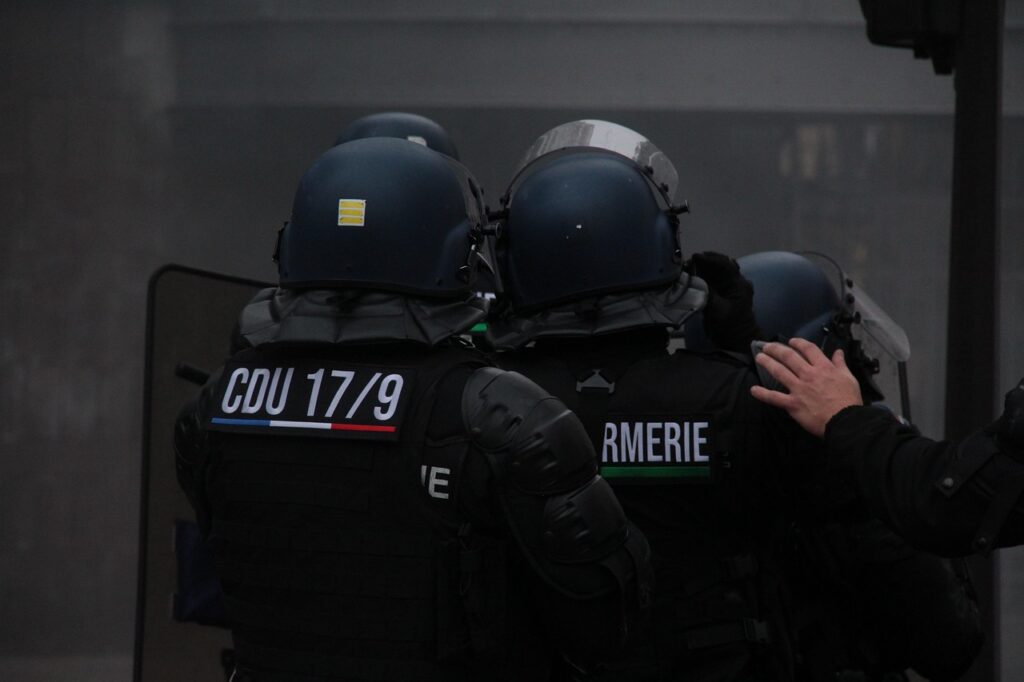
What began as a peaceful demonstration outside a proposed Ebola quarantine centre in Nanyuki has escalated into a full-blown confrontation, with Kenyan police deploying tear gas and water cannon against hundreds of residents who say they were never consulted about the project. The protests, which saw an air base cordoned off by demonstrators late last week, have exposed a raw nerve in Kenya relationship with its international partners and raised urgent questions about consent, community trust, and what it means to host a foreign-run health facility on African soil.
The proposed centre, backed by the United States, was intended to serve as a dedicated quarantine facility for American nationals in the event of a broader Ebola outbreak in East Africa. But residents of Nanyuki, a town in Laikipia County roughly 200 kilometres north of Nairobi, say the project was announced without their knowledge, let alone their approval. Within hours of the first protesters gathering near the site, police had moved in, firing tear gas canisters and chasing crowds through the town market centre. Several people were treated for breathing difficulties at local health facilities.
Local leaders have been scathing in their criticism. We are not a testing ground for anyone emergency protocol, said one community organiser who asked not to be named for fear of reprisal. If they wanted to build something here, they should have come to us first. Instead, we learned about it the way we learn about everything else — when the bulldozers arrived. The sentiment was echoed across social media, where hashtags calling for transparency around the project trended nationally for several days.
The standoff has also drawn attention to the wider question of how international health missions interact with African communities. The Ebola outbreak centred on the Democratic Republic of Congo has now claimed more than 220 lives, and the World Health Organisation has classified it as a public health emergency of continental security. But the response — particularly when it involves facilities intended primarily for foreign nationals — is increasingly being questioned on grounds of sovereignty and equity.
The government position has been that the facility would protect Kenya own population as well as foreign nationals, pointing to previous cooperation on disease surveillance. But that argument has done little to defuse the anger on the streets of Nanyuki. Parliamentarians from the region have called for a full consultation process before any construction resumes, and the country health minister has acknowledged that community engagement must come before concrete.
For now, the site remains contested. Police maintain a presence in the area, and the air base — used jointly by Kenyan and allied forces — has been placed on a heightened security footing. The protests have also raised uncomfortable questions about how Kenya balances its role as a regional security partner with its obligations to its own citizens. Whether the government chooses to restart conversations from scratch or push ahead with the project will be a significant test of how much weight it gives to local voices in the months ahead.