
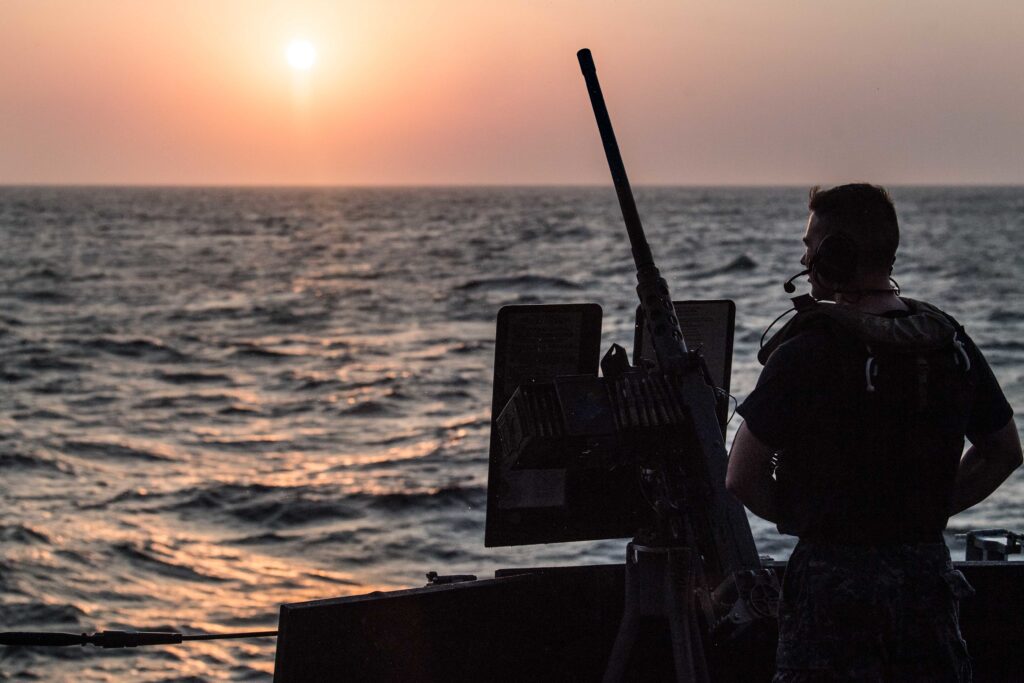
As tensions between Iran and the United States intensify over the nuclear programme and regional influence, African nations are watching with growing alarm for the potential impact on their energy supplies. The Bab el-Mandeb Strait — the narrow shipping lane connecting the Red Sea to the Gulf of Aden — handles roughly 10 to 14 percent of global maritime trade, including a significant share of the crude oil and refined petroleum products destined for East and West African markets. A prolonged disruption of traffic through the strait, whether through direct Iranian naval activity or the laying of sea mines, could push already-strained African economies toward a fuel supply breaking point. Shipping insurance costs are already spiking, and several major traders have begun rerouting vessels around the Cape of Good Hope — adding weeks to transit times and tens of dollars per barrel to costs.
The knock-on effect for import-dependent nations in East Africa — already battered by currency weakness and dollar-denominated debt servicing — could be severe. Kenya, Tanzania, Rwanda, and Uganda all rely on Red Sea shipments for the bulk of their refined petroleum imports. South Africa, which imports less via the Red Sea route, nevertheless faces higher global benchmark prices that feed into domestic fuel price adjustments.
Why the Strait Matters for Africa
The connection between the Bab el-Mandeb chokepoint and African energy security is often underestimated in Western commentary, which tends to frame Red Sea risks through the lens of European oil and gas flows. But for the Horn of Africa and East Africa more broadly, the strait is a lifeline. Djibouti — which hosts the People’s Republic of China’s only overseas military base — processes nearly all of landlocked Ethiopia’s seaborne trade. Eritrea’s nascent commercial shipping also depends on the passage. Any Iranian move to mine or blockade the strait would immediately compress those countries’ import capacity at a time when their economies can least absorb a supply shock.
An Existing Deficit Made Worse
Africa already faces an 86 million tonne fuel shortfall projected by 2040 by the African Development Bank — even without a Red Sea crisis — making the current geopolitical turbulence especially unwelcome. Governments across the continent are quietly opening diplomatic channels with Gulf states to explore emergency supply arrangements, but options are limited. Land-locked Ethiopia, which has been enduring a brutal civil war in the north and an economic crisis that has gutted its hard currency reserves, is particularly vulnerable. Its state oil company has been struggling to fund letter-of-credit facilities for crude oil imports, and a fuel supply disruption at the Djibouti corridor could cause rolling shortages within days. The Bab el-Mandeb is not merely a strategic abstraction — for millions of East Africans it is the mouth through which their economies breathe.