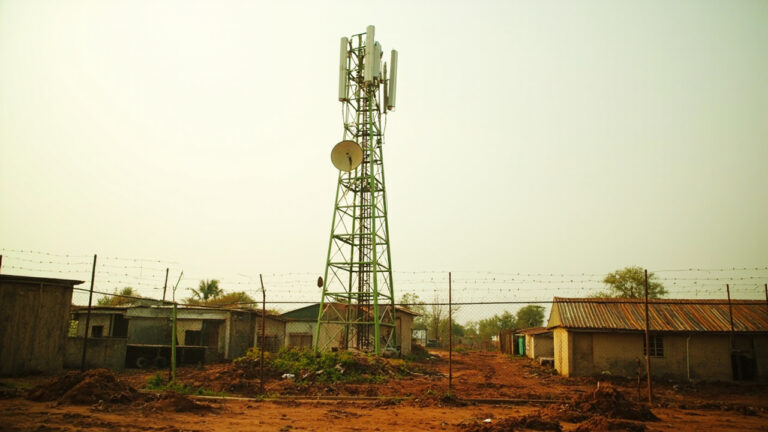
IHS Kenya Plans Sh1 Billion Housing Project Targeting Growing Middle-Class Demand
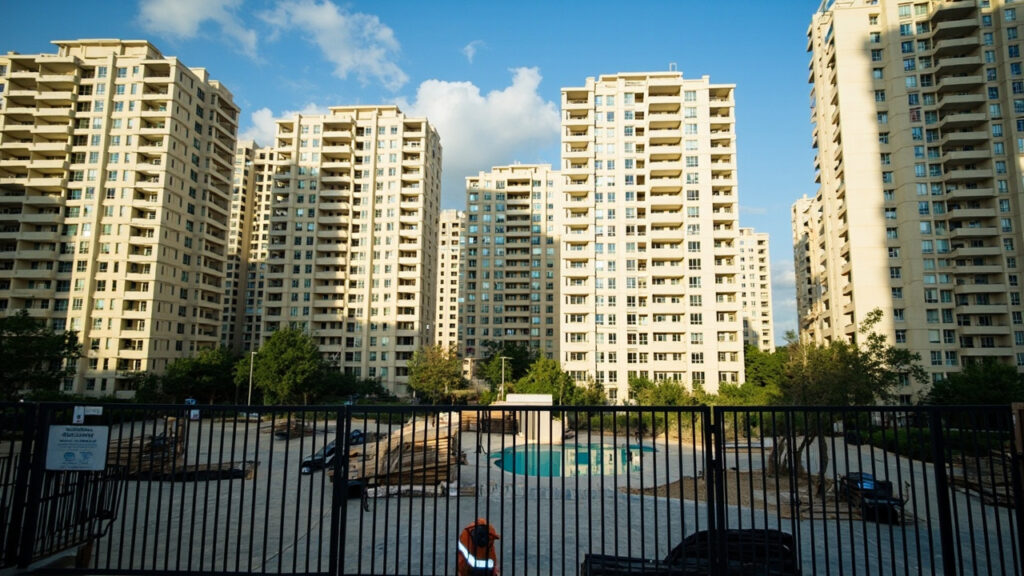
IHS Kenya is planning a Sh1 billion housing development aimed at the country’s expanding middle class, according to Capitalfm.co.ke. The project reflects growing investor interest in Kenya’s residential property market, where demand from middle-income households has continued to outstrip supply in major urban centres.
Kenya has long faced a significant housing shortfall, with successive administrations identifying affordable and middle-income housing as a national priority. The country’s middle class has expanded over the past two decades, driven by rapid urbanisation in cities such as Nairobi, Mombasa and Kisumu, and steady growth in sectors including finance, technology and professional services. Yet developers have often concentrated on either low-cost mass housing or high-end luxury units, leaving a documented gap in the middle-income segment that new entrants are now seeking to fill.
Broader market context
The Kenyan government has pushed housing to the forefront of its development agenda, rolling out initiatives aimed at lowering construction costs, improving access to mortgage finance and unlocking land for residential development. Private developers have responded with projects targeting salaried professionals, young families and first-time buyers priced out of the prime residential market. According to Capitalfm.co.ke, IHS Kenya’s planned development is designed to serve this segment, reflecting a wider commercial bet on Kenya’s urban professionals.
Sh1 billion is equivalent to several million US dollars, placing the project among the medium-scale residential developments that have proliferated across Nairobi’s outskirts and satellite towns. Such schemes typically combine apartments and townhouses with shared amenities, and are marketed to buyers seeking modern housing within commuting distance of the capital’s main employment hubs.
If delivered, the project would add to a growing pipeline of private-sector housing developments in Kenya. Industry observers note that sustained demand from middle-income earners will depend on factors beyond construction, including mortgage interest rates, infrastructure delivery and broader economic conditions. IHS Kenya’s entry into the segment, as reported by Capitalfm.co.ke, underscores the commercial opportunity developers see in meeting the housing needs of Kenya’s expanding urban middle class.
Sources
This report was written from coverage published by the following news organisations. Follow the links for the original reporting.