Heatwave fuels widespread wildfires across North Africa
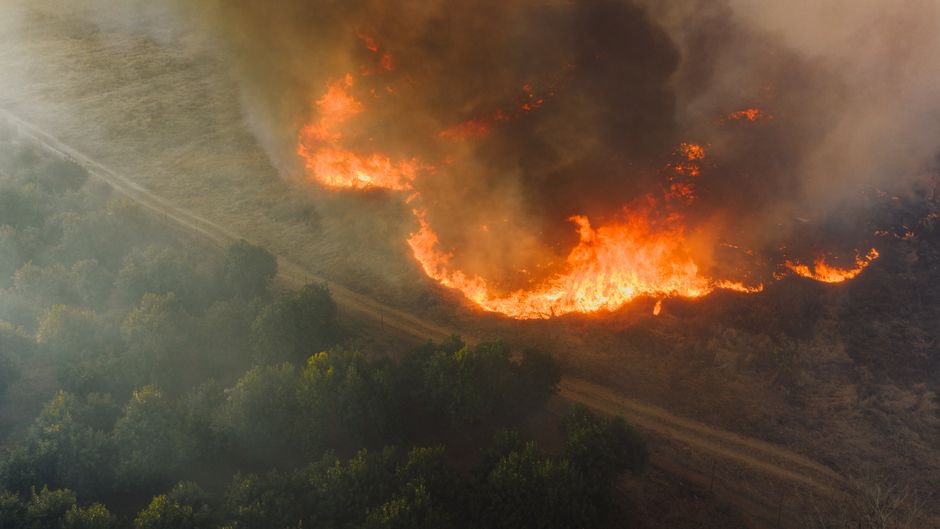
An intense heatwave sweeping across North Africa has been fuelling major wildfires in multiple countries, with significant blazes reported in Tunisia, Algeria, and Morocco. The fires have placed pressure on local emergency services as temperatures continue to climb across the region, raising concerns about the broader impact on communities, agriculture, and ecosystems.
Scale of the blazes
Wildfire activity has intensified across North Africa as the region endures one of its most severe heat episodes in recent months. In Tunisia, authorities have been working to contain outbreaks that have spread across forested and rural areas, prompting evacuations in some communities. Across the border, Algeria has also faced significant fire fronts, with civil protection teams deployed to limit the damage in affected wilayas. In Morocco, similar conditions have contributed to active blazes, particularly in remote and difficult-to-access terrain.
Climate and weather context
Meteorologists have linked the surge in fire activity to a sustained period of unusually high temperatures combined with dry conditions and strong winds, which together create a high-risk environment for ignition and rapid fire spread. North Africa is no stranger to seasonal wildfires, but the scale and intensity observed during this latest heatwave have drawn attention from regional authorities and observers who monitor climate-related risks across the Mediterranean basin. Climate researchers have noted that extreme heat events in the region are becoming more frequent, intensifying the challenges faced by firefighting services.
Regional response and risks
Governments in the affected countries have mobilised national firefighting resources, and in some cases, coordination has extended across borders as the crisis unfolds. Beyond the immediate danger to homes and infrastructure, the fires pose longer-term risks including soil degradation, loss of forest cover, and threats to agricultural output. Smoke from the blazes has also affected air quality in surrounding areas, with public health advisories issued in several locations.
Looking ahead
Forecasters have indicated that high temperatures may persist in parts of North Africa in the days ahead, raising the possibility of further fire outbreaks. Authorities continue to urge residents to remain vigilant, particularly in areas bordering forests and scrubland. The episode underscores the growing vulnerability of the region to extreme weather events and the need for coordinated preparedness measures.
Source: Al Jazeera — read the original report.
More From Environment & Science

Humpback Whale Supergroup Sightings Rise Along South Africa’s Coastline

Twice-Yearly Lenacapavir Continues to Show Strong HIV Prevention Results in Africa