Former Senegalese leader Sall’s UN Secretary-General bid falters after straw poll
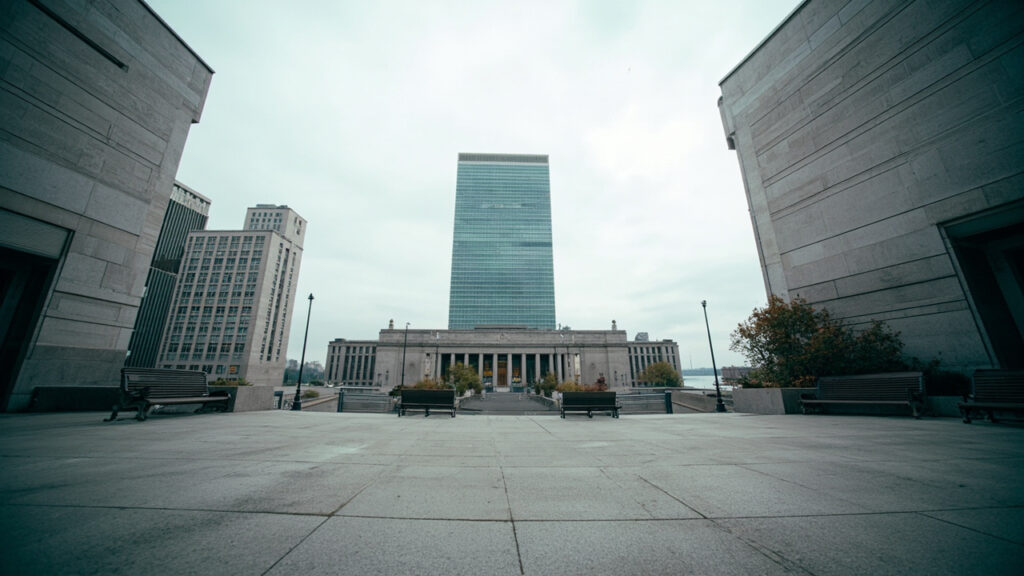
Macky Sall, the former president of Senegal, is facing an uphill battle in his attempt to become the next Secretary-General of the United Nations, following an informal straw poll conducted by the Security Council.
Sall, who led Senegal from 2012 until 2024, had been considered among the candidates to succeed António Guterres, the current UN Secretary-General, whose second term is set to conclude at the end of 2026. The position is filled through a selection process that begins with straw polls among the fifteen members of the Security Council, where the five permanent members hold veto power. The informal polls are designed to gauge the level of support each candidate enjoys and to help narrow the field of contenders before a formal recommendation is sent to the General Assembly.
A straw poll that fails to produce a clear front-runner can significantly complicate a candidate’s path, particularly for those who entered the race with high expectations. The process has historically involved multiple rounds of polling, with the Security Council eventually narrowing the field and recommending a single nominee for appointment by the General Assembly.
Sall’s candidacy drew international attention given his diplomatic background and Senegal’s longstanding reputation as one of West Africa’s more stable democracies. Discussions around the Secretary-General’s office have often been shaped by the tradition of regional rotation. Africa has not held the position since Kofi Annan of Ghana completed his tenure at the end of 2006.
The Security Council’s next steps in the selection process are expected to unfold in the coming months, with further rounds of voting potentially reshaping the field of contenders as member states weigh who should lead the global body through a period of complex geopolitical challenges.
Source: Africanews — read the original report.