Ceuta migration surge of 2026 dwarfs 2021 episode as tens of thousands cross from Morocco
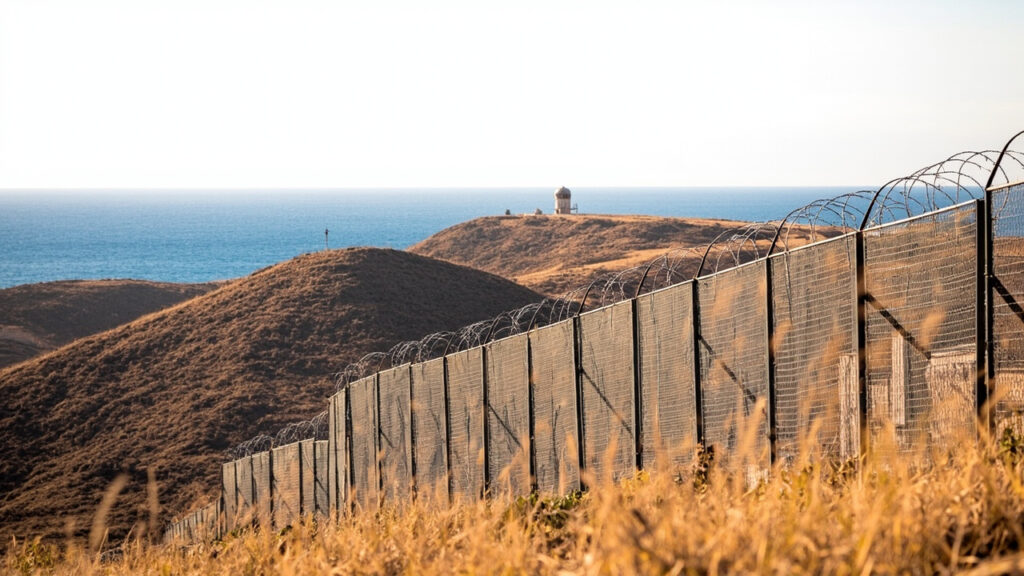
An estimated 60,000 migrants crossed from Morocco into the Spanish enclave of Ceuta over just a few days in what officials describe as a migration episode that dwarfs the dramatic 2021 influx which briefly placed the North African outpost at the centre of European migration debates.
By Saturday, almost all of those who had entered Spanish territory had left, according to officials cited by FRANCE 24, suggesting that for many the crossing into Ceuta served as a waypoint rather than a final destination. Moroccan authorities worked alongside their Spanish counterparts to manage the arrivals, and the speed with which the migrant population drained raised fresh questions about onward routes toward mainland Europe. The journey came at a heavy human cost: at least 67 people lost their lives attempting the crossing.
Spain plans maritime barrier
The scale of the surge has pushed Spain to announce plans for a 500-metre-long containment barrier along the sea border between Ceuta and Morocco. The structure is intended to close a stretch of coastline that has historically been one of the most porous points of access to European territory. Spanish authorities have framed the barrier as a complement to existing patrols along the enclave’s perimeter, which combines land and maritime frontiers with Morocco.
EU countries push for emergency talks
The crisis has also reverberated at the European Union level. A majority of member states have signed an open letter to the bloc’s interior ministers calling for emergency discussions on the situation. The letter reflects concern that a single border incident involving tens of thousands of people can quickly translate into political pressure across multiple EU capitals, and underlines the difficulty Brussels has encountered in coordinating a unified response to migration flows along its southern neighbourhood.
A historic flashpoint
Ceuta, located on the northern coast of Africa a short distance across the Strait of Gibraltar from the Iberian peninsula, is one of two Spanish enclaves — alongside Melilla — that form the European Union’s only land borders with the African continent. The territory has long been a focal point for mixed migration flows drawing people from sub-Saharan Africa and beyond. The 2021 episode, during which Morocco appeared to loosen border controls for a short period, saw roughly 8,000 people cross into Ceuta in a single day, straining bilateral ties between Madrid and Rabat. By virtue of both its scale and its duration, the 2026 surge marks a qualitative shift from that earlier crisis.
With the immediate pressure on Ceuta easing but the political fallout intensifying, attention is turning to how Spain and its EU partners will translate the lessons of the past week into longer-term measures — both physical, like the planned sea barrier, and diplomatic, in relations with Rabat.
Source: FRANCE 24 — read the original report.
More From Conflict & Security
Spain criticises ‘selfish’ EU partners as Ceuta migration crisis eases

Renewed clashes in Ethiopia’s Tigray raise fears of fresh war in war-scarred region