Escaping Darfur: Mothers Face Starvation Under Trees in Chad
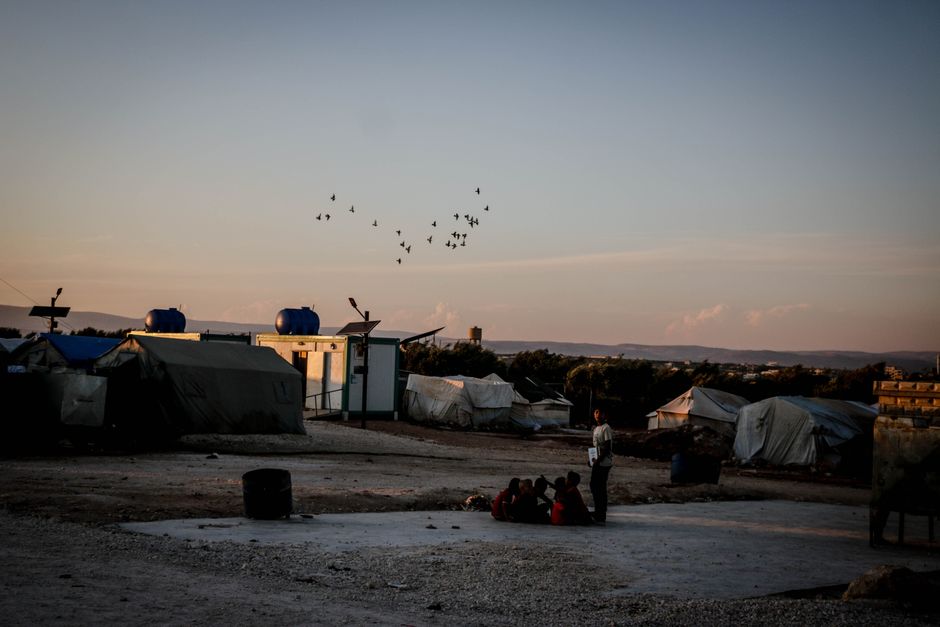
Women and children who have fled the western Sudanese region of Darfur are sheltering under sparse trees along Chad’s eastern border, where aid workers describe conditions of severe hunger and growing desperation. The refugees, many of them mothers who walked for days to escape violence in their homeland, say they have been left with little more than the shade of acacia branches and the dwindling supplies they managed to carry.
A desperate crossing
For years, Darfur has been scarred by cycles of conflict that have repeatedly forced civilians from their land. The latest wave of displacement has pushed thousands across the porous frontier into neighboring Chad, a country that already hosts one of the largest refugee populations on the continent. New arrivals describe leaving behind villages destroyed by fighting and fields reduced to ash, with no prospect of returning in the near future.
The journey itself is grueling. Mothers carrying infants and leading older children on foot have trekked across semi-arid terrain in extreme heat, often without access to clean water or food for stretches of the journey. Those who reach Chadian soil frequently find themselves in informal gathering sites rather than established camps, relying on tree cover for shelter from the relentless sun.
Hunger under the trees
Humanitarian organizations monitoring the border region have warned of deteriorating nutritional conditions among new arrivals. Women who fled with only the clothes on their backs say their children go to sleep hungry and wake hungry, scavenging for wild leaves and depending on the limited goodwill of host communities. Without steady food distributions or functioning health services, the most vulnerable — young children, pregnant women and the elderly — face the gravest risk.
Local Chadian villages have absorbed successive waves of refugees, but their own resources are stretched thin. The arid environment supports limited agriculture, and competition for water and grazing has begun to strain relations between newcomers and long-time residents. Aid groups have called for expanded funding and access to deliver food, medicine and clean water to the growing caseload of displaced people.
A wider crisis
The suffering in eastern Chad is part of a broader displacement emergency linked to Sudan’s prolonged instability. International agencies have repeatedly stressed that civilians in Darfur and other conflict-affected regions remain among the most under-protected populations in the world. With cross-border movements continuing and humanitarian funding falling short of needs, responders say the window to prevent further deterioration is narrowing.
For the mothers huddled beneath the trees, survival remains a daily negotiation. Some speak of hoping for resettlement in a more permanent camp, others simply of the next meal. Their accounts underline a grim reality: that escaping the violence of Darfur has carried them only as far as a different kind of hardship, one defined by hunger rather than gunfire.
Source: Al Jazeera — read the original report.
More From Conflict & Security
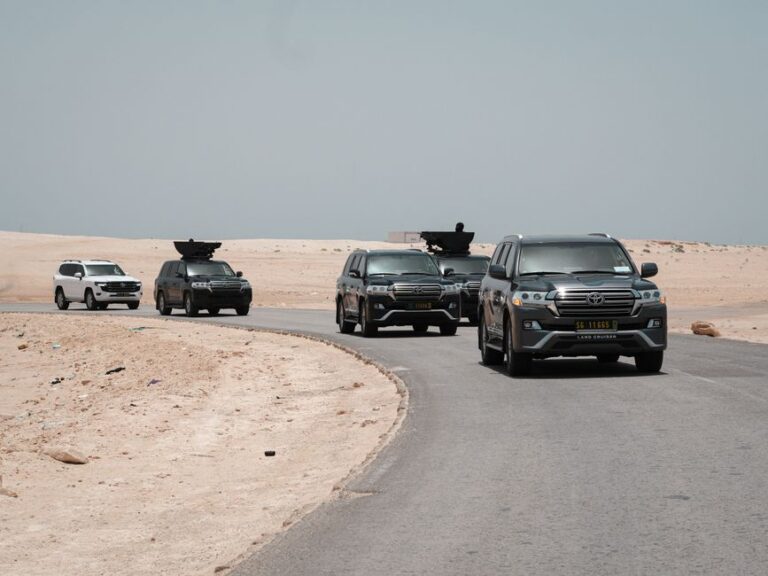
Armed groups attack Malian military convoy in Gao region, army says counterattack under way

Second Tanker Hijacked off Yemen in Three Months as Somali Piracy Resurges