
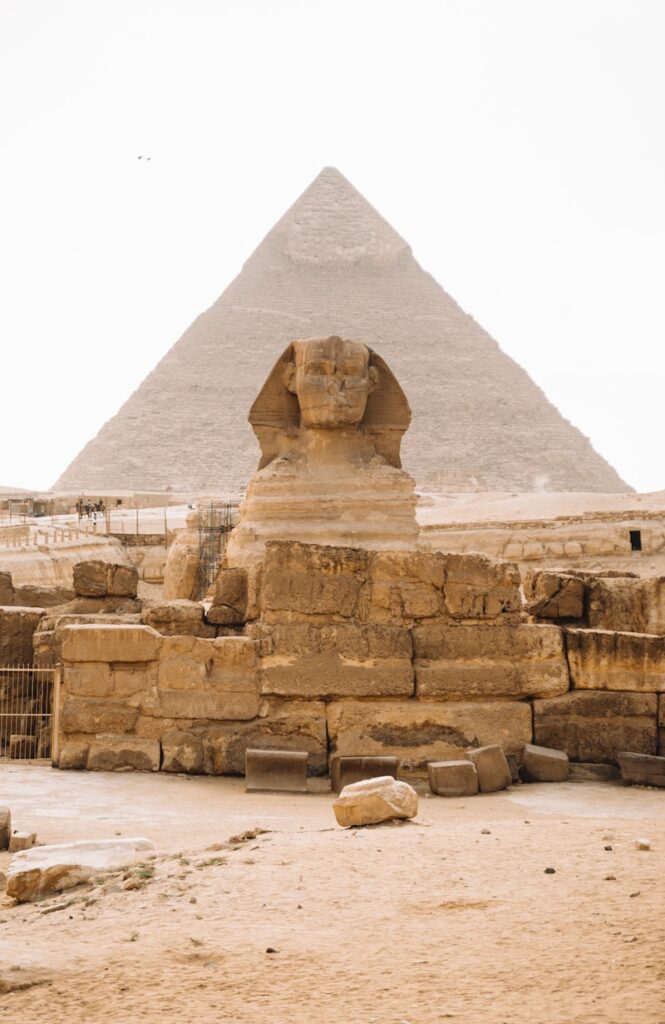
In a ceremony attended by archaeologists from around the world, Egypt unveiled two monumental tombs in Luxor dating to the height of the New Kingdom—a period that produced some of humanity’s greatest artistic, architectural, and intellectual achievements.
Egypt has opened to the public two tombs at the archaeological site of Draa Abul Naga near Luxor, drawing worldwide attention to one of the most consequential periods in human civilization. The tombs, belonging to Amenhotep-Rebuia and his son Samut—administrators from the height of the 18th Dynasty—date to approximately 3,500 years ago, when ancient Egypt was at the zenith of its power and creativity.
The timing of the opening is not incidental. Egypt is battling to revive its tourism sector—a vital foreign currency earner that has struggled to recover in the post-pandemic era. The country’s Ministry of Tourism and Antiquities has made heritage promotion a centrepiece of its economic recovery strategy, with new museum openings, heritage trail developments, and international archaeological conferences driving renewed international interest.
A Window Into the World’s First Superpower
The New Kingdom period (c. 1550–1070 BCE) represents ancient Egypt at its most expansive and confident. It was an era of empire, monumental construction, and extraordinary artistic production—the age that gave the world the temples of Karnak and Luxor, the Valley of the Kings, and the colossus of Ramesses II at Abu Simbel.
The newly opened tombs, rediscovered in 2015 during excavation work funded by a joint Egyptian-Polish team, had remained sealed for centuries. Their walls retain vivid polychrome paintings depicting daily life, religious rituals, and the elaborate funerary practices of Egypt’s elite. Hieroglyphic inscriptions offer scholars new primary sources for understanding the administrative machinery that allowed a civilization to build on a scale the world had never seen.
‘This was a society operating at the frontier of human knowledge,’ said Dr. Mostafa Waziri, Secretary General of Egypt’s Supreme Council of Antiquities. ‘These tombs help us understand how Egypt organized itself to produce achievements that still shape our world.’
Africa’s Nile Heritage
While Luxor is synonymous with Egypt, the civilization it represents was deeply interconnected with the broader African continent. Trade routes stretched south into Nubia, and cultural and genetic links to sub-Saharan Africa were extensive and enduring. The Nile itself—the artery that made Egyptian civilization possible—flows from East Africa’s great lakes and highlands.
For African scholars and policymakers, the Luxor opening serves as a reminder of the continent’s foundational role in world history—not as a peripheral actor, but as the cradle of one of antiquity’s greatest civilizations.
Tourism officials are projecting a significant uptick in visitor numbers to Luxor in the coming months, buoyed by improved airline connectivity and an Egyptian government drive to market heritage tourism across new demographic segments in Asia and Latin America.