Ebola Reaches Displacement Camps in Eastern DR Congo, UN Agency Says

United Nations agencies are on high alert after the Ebola virus was confirmed inside displacement camps in the Democratic Republic of the Congo, according to AllAfrica, citing UN News. The UN Refugee Agency (UNHCR) said the outbreak, caused by the Bundibugyo species of Ebola, has infected 19 internally displaced people and killed five of them, raising fears of rapid transmission in crowded, makeshift settlements.
The Bundibugyo strain is one of six known species of the Ebola virus and was first identified in Uganda in 2007. It causes a severe haemorrhagic fever with high fatality rates and has been responsible for several outbreaks in central Africa. The Democratic Republic of the Congo has experienced more Ebola outbreaks than any other country, with previous epidemics recorded in the country’s north and east over the past two decades.
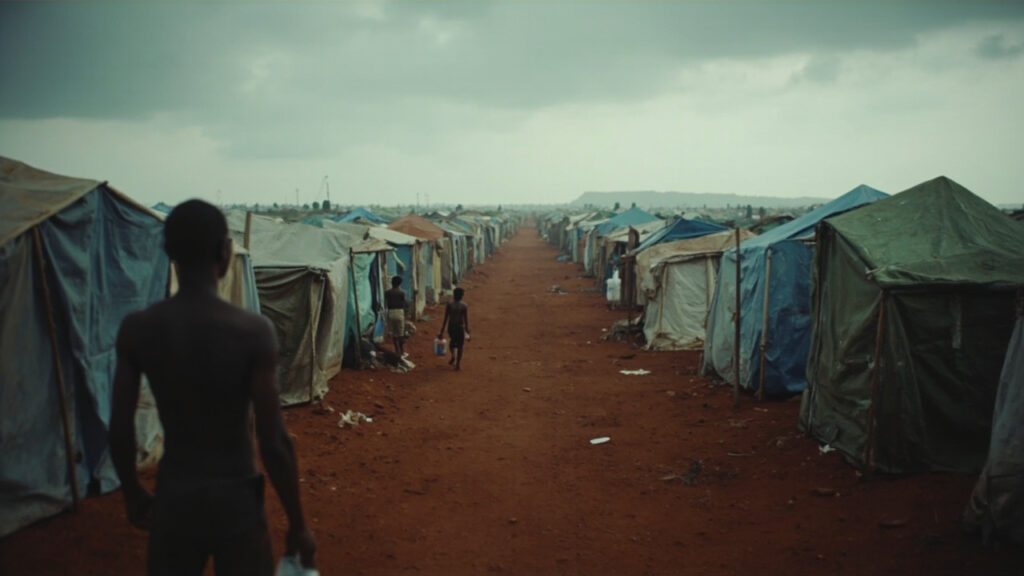
Displacement camps in eastern DRC are home to large numbers of people who have fled successive waves of violence by armed groups and inter-communal conflict. Living conditions in such camps, where sanitation is limited, shelters are densely packed and access to healthcare is often restricted, create conditions in which infectious diseases can spread quickly. The appearance of the virus in this setting has heightened concerns about containment.
UNHCR, along with other UN agencies and humanitarian partners, is working to respond to the outbreak and prevent further transmission. Ebola spreads through direct contact with the bodily fluids of an infected person or with contaminated materials, and outbreak responses typically focus on isolation of cases, safe burials, contact tracing, vaccination where available, and community engagement to reduce transmission. As AllAfrica reported, the agency is coordinating with national health authorities to support displaced families and host communities in the affected areas.
The development underscores the vulnerability of populations already uprooted by conflict and displacement. With limited infrastructure and ongoing humanitarian needs, health authorities face the challenge of containing a deadly disease in settings where social distancing and proper infection control are difficult to maintain.
Sources
This report was written from coverage published by the following news organisations. Follow the links for the original reporting.