DRC Launches Strategic Cobalt Reserve to Navigate Volatile Global Markets
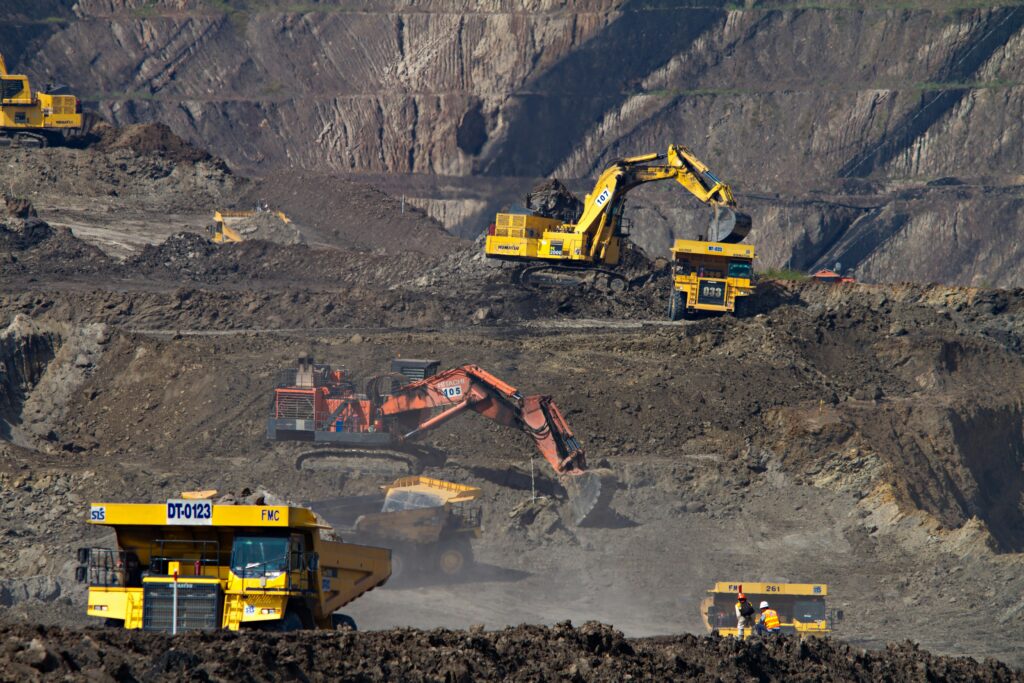
The Democratic Republic of Congo has taken a decisive step to shield itself from the unpredictable swings of the global cobalt market, with the government unveiling a strategic national reserve programme designed to stabilise revenues even as international prices continue to fluctuate wildly.
Cobalt — a critical component in the batteries that power electric vehicles and consumer electronics — is disproportionately concentrated in the DRC, which produces roughly 70 percent of the world’s supply. Yet the country has historically captured only a fraction of the value chain, leaving its economy dangerously exposed to price shocks driven by distant commodity traders and EV manufacturers.
The new reserve programme, announced by the Ministry of Mines, will see the DRC set aside a portion of annual cobalt production into state-controlled stockpiles. When global prices fall below a government-defined threshold, releases from the reserve will be timed to prevent a collapse in producer revenues. When prices spike, excess supply will be drawn down to maintain long-term buyer relationships.
A Resource Curse No More?
The DRC’s cobalt wealth has long been a tale of paradox. Despite sitting on some of the world’s richest mineral deposits, the country has struggled to translate that bounty into widespread prosperity. Chronic underinvestment in refining capacity has meant that most cobalt leaves the country as a raw or semi-processed product, only to return as finished battery materials at many times the price.
With global EV adoption accelerating, demand for cobalt is projected to grow substantially over the coming decade. But so is competition — Indonesia has emerged as a formidable new player, processing massive quantities of cobalt through nickel by-product streams that have undercut traditional African producers.
The strategic reserve is part of a broader government ambition to move up the value chain. Alongside the stockpile initiative, Kinshasa is pushing for greater domestic processing capacity, courting investors to build refineries that would allow the country to export battery-ready materials rather than raw ore.
Can the State Manage a Market It Cannot Fully Control?
The most candid element of the DRC’s approach may be the government’s own acknowledgement of its limitations. Officials have conceded that while the reserve is a powerful tool, it cannot fully insulate the DRC from the forces that shape the global cobalt market — including Chinese processing dominance, EV battery chemistry shifts that could reduce cobalt intensity per cell, and speculative trading on London Metal Exchange benchmarks.
Industry observers note that the success of the programme will depend heavily on execution. Stockpile management requires sophisticated logistics, quality control, and financing. Get it wrong, and the reserve could become a financial burden rather than a buffer.
Still, the announcement marks a notable shift in posture. Rather than passively accepting global price signals, the DRC is attempting to assert a degree of market influence that few African commodity exporters have dared to pursue at this scale.
What This Means for Global Cobalt Buyers
For battery manufacturers and trading houses, the DRC’s new posture introduces a layer of complexity. A well-managed reserve could actually smooth supply spikes and provide a more predictable offtake environment. A poorly managed one could tighten physical availability and push premiums higher.
Either way, the days when global cobalt buyers could take Congo’s output for granted appear to be ending. The central bank and ministry of mines will be watching price benchmarks closely — and in future negotiations, they will have a stockpile to back up their position.