Nigeria Concludes 4.65 Trillion Bank Recapitalisation Programme — Africa’s Biggest Banking Sector Overhaul
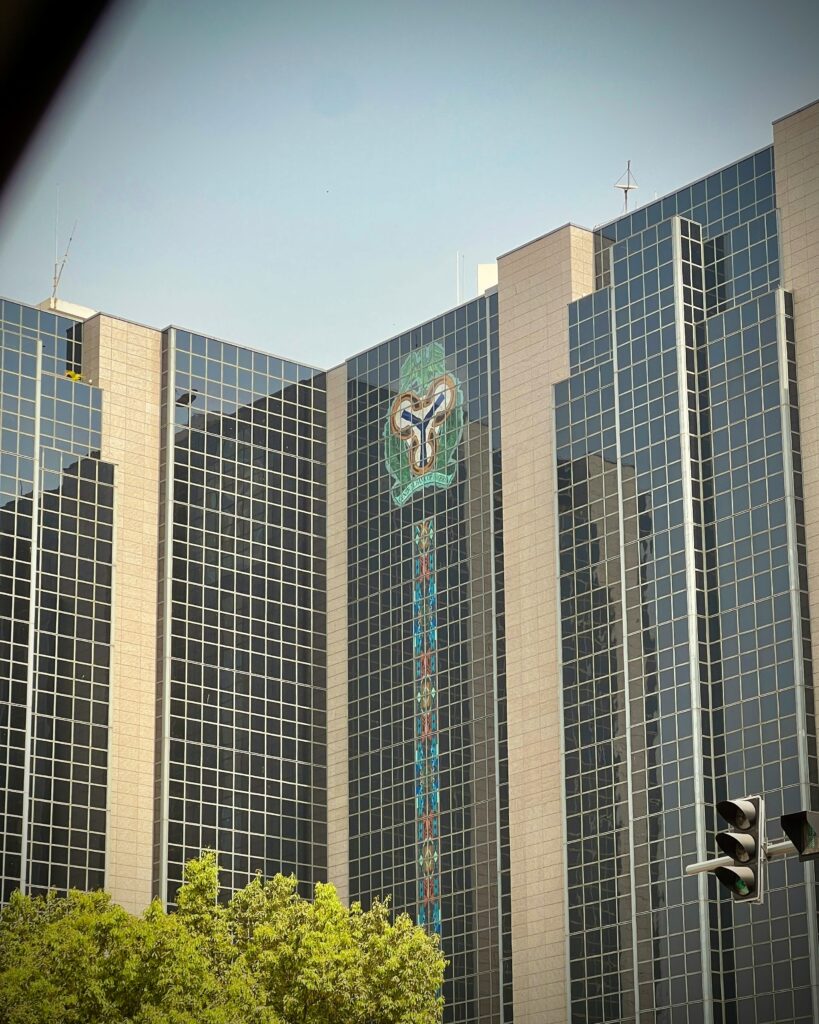
Nigeria has officially wrapped up one of the most ambitious banking sector recapitalisation programmes ever attempted on the African continent, with the Central Bank confirming that participating lenders have met the enhanced capital thresholds set in late 2023 and early 2024.
The programme, which targeted a cumulative capital raise of 4.65 trillion naira — roughly .5 billion at current exchange rates — was designed to strengthen the resilience of Nigeria’s banking system, reduce the risk of future collapses, and ensure that lenders have sufficient buffers to support the country’s large and growing economy.
Why Nigeria’s Banks Needed Reinforcing
Nigeria’s banking sector had weathered significant stress in the preceding years. Currency depreciation eroded the value of bank assets denominated in local currency terms, while a series of non-performing loans — many stemming from sectors hit by inflation and FX scarcity — had compressed profitability and reduced capital buffers at several institutions.
The Central Bank’s diagnosis was clear: Nigerian banks, in aggregate, lacked the capital depth to serve as effective engines of economic growth at the scale the country needed. Without fresh capital, lenders would be constrained in how much credit they could extend to agriculture, manufacturing, infrastructure, and small businesses — the sectors most critical to Nigeria’s development ambitions.
The programme set tiered minimum capital requirements based on bank type and licence category, giving lenders a multi-year window to achieve compliance through rights issues, mergers, strategic equity injections, or asset sales.
Who Managed to Raise What
The results of the capital raise have been uneven — a feature the Central Bank anticipated. Tier-1 banks with strong franchise values and access to capital markets completed their raises relatively comfortably, with several booking oversubscribed rights issues. Mid-tier and regional banks faced a harder road, with some opting to pursue mergers as an alternative to standalone capital raises.
A small number of institutions fell short of their targets and have been operating under enhanced supervisory restrictions while they work to close the gap. The Central Bank has been clear that non-compliant banks will not be permitted to continue operations at their current licence category.
What This Means for Nigeria’s Economic Ambitions
A stronger banking system is a prerequisite for Nigeria’s broader economic potential. With a population approaching 230 million and a GDP that makes it Africa’s largest economy, Nigeria’s financial sector has historically been too shallow to intermediation the scale of savings and investment the country needs. Credit to the private sector as a share of GDP remains far below levels seen in comparable emerging economies.
The recapitalisation programme is designed to change that dynamic. With deeper capital bases, Nigerian banks should be better positioned to extend longer-tenor loans to infrastructure projects, support the agricultural sector with seasonal credit facilities, and provide working capital to manufacturers navigating volatile input costs.
Outstanding Vulnerabilities
Capital ratios, while improved, are not a cure-all. Nigerian banks remain exposed to significant credit concentration risk — large single-name exposures to a handful of blue-chip corporate clients can still threaten bank solvency if a major borrower runs into trouble. The quality of bank governance and risk management practices also varies widely, and the Central Bank’s supervisory capacity will need to keep pace with the expanded systemic importance of the sector.
The conclusion of the recapitalisation programme is an important milestone — but it is a beginning, not an ending. Nigeria’s banks now have a stronger balance sheet foundation. How well they use it will determine whether this investment of time, capital, and political energy produces the economic returns the country desperately needs.