DRC Ebola Outbreak Pushes Child Health Services to Brink, Unicef Warns
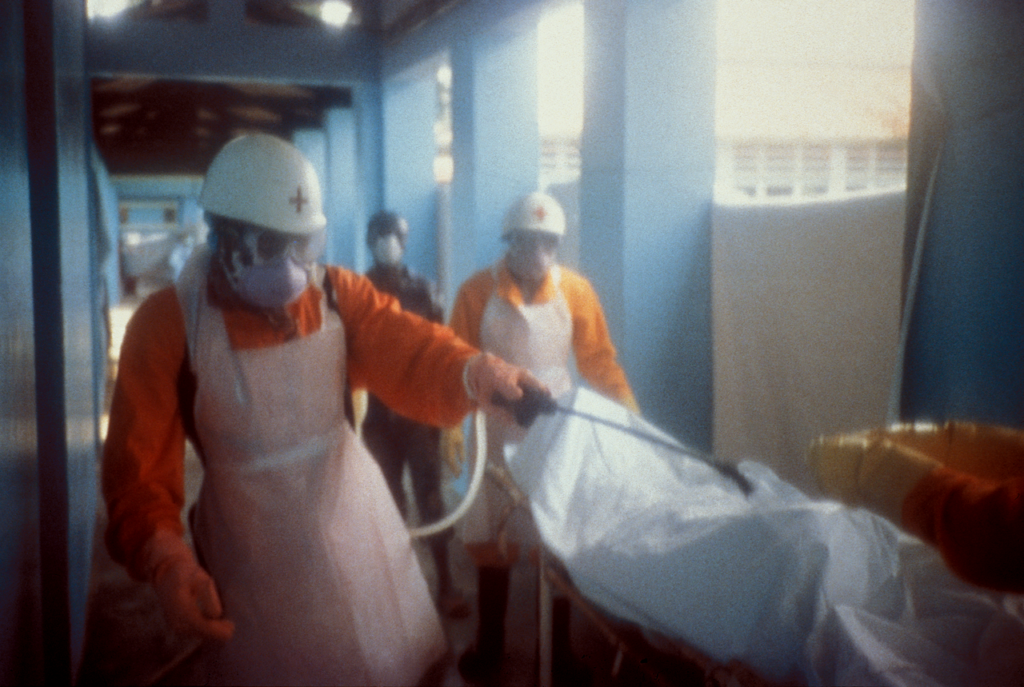
The Ebola outbreak in the Democratic Republic of the Congo has now claimed the lives of more than 300 children, the United Nations children’s agency Unicef has warned, cautioning that the crisis is simultaneously dismantling routine health services in the hardest-hit areas. According to AllAfrica, the agency reported a decline of over 40 per cent in childhood immunisations, safe deliveries, and other essential healthcare in the outbreak’s epicentre, a drop it attributes to both the disruption of services and fear of infection among families.
Unicef said the collapse of routine care risks producing a secondary health emergency, as measles, malaria, pneumonia and complications from unsafe childbirth threaten children who cannot reach clinics or whose parents are too afraid to seek treatment. Health workers have also been lost to the disease, further thinning already-stretched medical staff in the affected provinces.
A country long familiar with Ebola
The Democratic Republic of the Congo has experienced more Ebola outbreaks than any other country since the virus was first identified near its namesake river in 1976. Previous epidemics, including the lengthy 2018–2020 outbreak in eastern North Kivu and Ituri provinces, demonstrated how the disease exploits weak health infrastructure and active conflict zones, complicating containment efforts.
International response to Ebola in the DRC has historically combined vaccination campaigns, contact tracing, safe burials, and community engagement, alongside support from agencies such as the World Health Organization, Médecins Sans Frontières and Unicef. The current outbreak has unfolded against a backdrop of humanitarian strain in the country’s east, where armed group activity and mass displacement have long hindered access to medical care.
A call to sustain essential services

Unicef has urged donors and authorities to ensure that the Ebola response does not come at the cost of routine immunisation and maternal health programmes. The agency has stressed that rebuilding confidence in health facilities is as critical as the clinical response to the virus itself. Without urgent action to restore access to basic care, the wider toll on Congolese children could continue to mount long after the outbreak is brought under control.
Sources
This report was written from coverage published by the following news organisations. Follow the links for the original reporting.