Dozens of MSF staff accused of sexual abuse and exploitation of Sudanese refugees in Chad
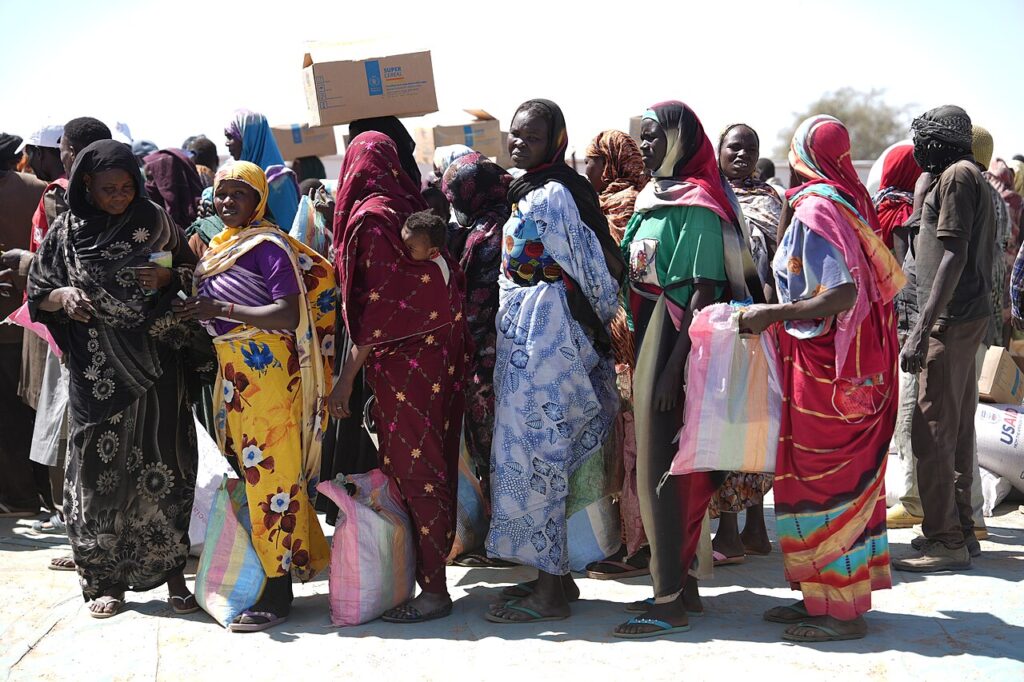
One of the world’s leading humanitarian medical organizations is facing fresh allegations of systemic abuse after a report accused dozens of its staff members of sexually exploiting Sudanese refugees in eastern Chad. The organization has confirmed that 18 workers were dismissed following internal investigations into what it described as “serious misconduct.”
Scope of the allegations
According to the report, the accused employees are alleged to have targeted vulnerable people within refugee communities, including underaged girls. Investigators said staff members traded food rations, employment opportunities, and other forms of assistance in exchange for sexual acts, exploiting the desperate conditions in which displaced Sudanese families live.
Sudan has been engulfed in conflict since fighting erupted between rival military factions in April 2023, triggering one of the world’s largest displacement crises. Hundreds of thousands of Sudanese have fled across the border into Chad, where sprawling refugee camps in the eastern regions have become heavily dependent on international humanitarian assistance.
Organizational response
Doctors Without Borders, known internationally by its French acronym MSF, has acknowledged the findings and said the dismissed staff members had been removed from their positions. The organization operates numerous medical and nutrition programs across the border region, making it one of the most visible international actors in the response to the Sudan crisis.
The case is expected to intensify scrutiny of the safeguards used by international NGOs operating in conflict zones, where power imbalances between aid workers and displaced populations can be profound. Critics have repeatedly warned that refugee women and girls are particularly exposed to exploitation when aid delivery is concentrated in remote camps far from independent oversight.
Broader context
The allegations come amid growing international attention to abuse within the humanitarian sector. Several major aid organizations have faced similar accusations in recent years, prompting calls from donor governments and United Nations agencies for stronger vetting, complaint mechanisms, and victim support systems.
Sudanese refugee representatives in Chad have urged for transparent follow-up to the report, including criminal accountability where appropriate and compensation for survivors. Aid agencies operating in the area now face pressure to demonstrate that their internal controls are sufficient to prevent exploitation of the very populations they are mandated to protect.
The situation in eastern Chad remains precarious, with continued arrivals from Sudan placing further strain on host communities and humanitarian services. Aid organizations stress that the credibility of their work depends on ensuring that the delivery of life-saving assistance does not come at the cost of dignity or safety for those receiving it.
Source: FRANCE 24 — read the original report.