At the Ebola Epicentre, a Cemetery Fills as Traditional Funerals Are Curtailed
A cemetery at the heart of an Ebola outbreak is filling rapidly, as health authorities impose new burial protocols aimed at curbing the spread of the virus. With traditional ceremonies largely abandoned, families are learning to mourn their dead in ways that protect the living.
A Changed Landscape of Grief
For communities accustomed to gathering in large numbers to bury their loved ones, the restrictions imposed during an Ebola outbreak mark a profound cultural rupture. In many affected regions, mourners would traditionally wash, dress, and embrace the body of the deceased — rituals that carry deep meaning but are also among the most effective channels through which the virus can be transmitted. Public health teams have stepped in to oversee burials, often navigating resistance rooted in grief, distrust, or unfamiliarity with the new procedures.
Cemeteries Under Strain
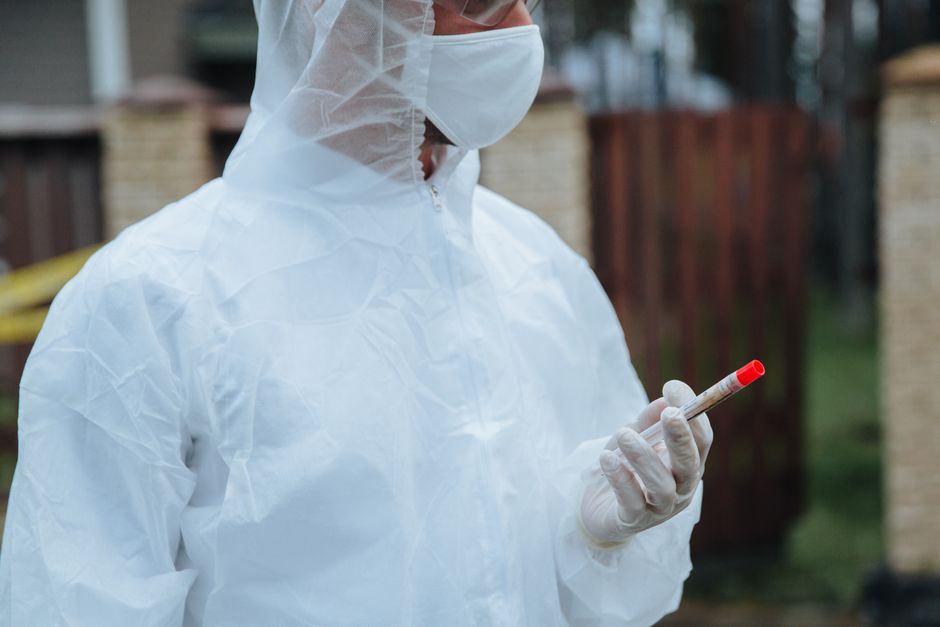
With traditional funerals largely suspended, the demand for burial space at the outbreak’s epicentre has surged. Interments are now typically conducted swiftly and under strict safety protocols, often carried out by trained personnel wearing protective equipment. For many families, this has meant being unable to observe the rites that traditionally help them process loss and honour the dead — a shift that has reshaped the rhythm of communal life in the hardest-hit areas.
Learning to Mourn Safely
Health educators and community volunteers are working alongside affected families to help them adapt their mourning practices. Simple alternatives are being encouraged, including prayer gatherings held at a safe distance, the sharing of eulogies by phone or radio, and symbolic rituals performed without direct physical contact with the body. The aim is twofold: to protect survivors from infection, and to allow space for grief in a context where the usual expressions of mourning have been curtailed.
A Community’s Burden
Beyond the immediate health crisis, the loss of traditional funeral rites carries a heavy social and emotional toll. In many of the affected communities, funerals are not only occasions for mourning but also for reinforcing social bonds and affirming a sense of continuity across generations. The current restrictions, while considered necessary by health authorities, are forcing families to find new ways of supporting one another through loss — sometimes laying multiple loved ones to rest within days, with little time to grieve between buries.
Looking Ahead
Public health officials continue to stress that safe burial practices remain a critical tool in breaking chains of transmission. As long as the outbreak persists, the balance between respecting cultural traditions and protecting public health will remain an ongoing challenge — one that responders and the communities they serve must navigate together, burial by burial.
Source: BBC News — read the original report.