Climate Change Now an Immediate Threat to HIV Control, Researchers Warn
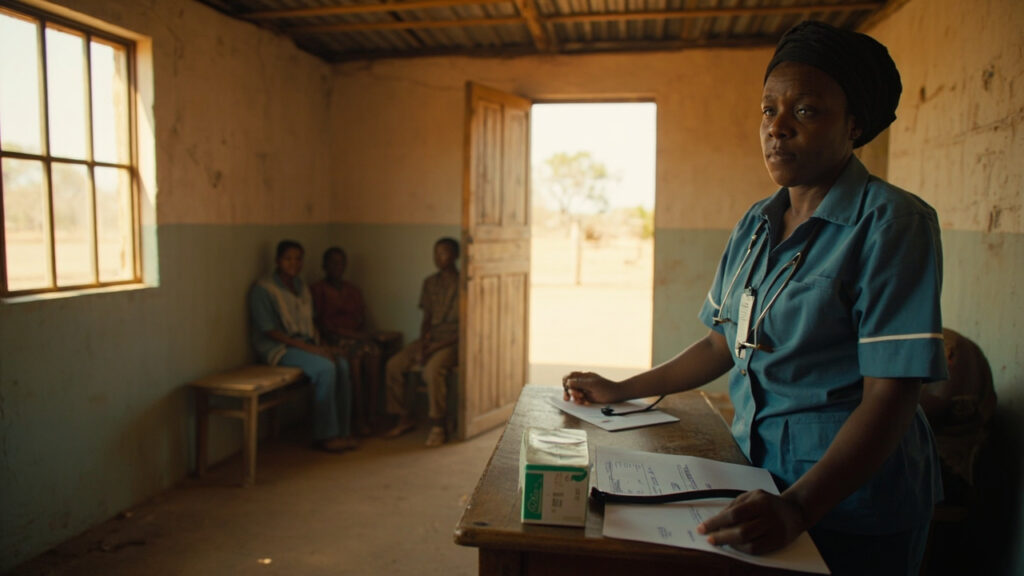
Evidence is growing that the populations most affected by HIV are also among the most exposed to the impacts of climate change, with researchers warning that the convergence of the two crises is already weakening efforts to control the epidemic, particularly in sub-Saharan Africa.
According to AllAfrica, the findings were presented in Rio de Janeiro, Brazil, where scientists and public health officials gathered to examine how extreme weather, food insecurity and population displacement are compounding the vulnerabilities of people living with HIV. The reporting highlighted that communities already marginalised by poverty, stigma and limited access to healthcare are the same ones bearing the heaviest brunt of droughts, floods and heatwaves.
Why the overlap matters
Sub-Saharan Africa remains the epicentre of the global HIV epidemic, home to the majority of people living with the virus and to many of the countries least equipped to respond to a changing climate. Researchers at the Rio gathering pointed to disruptions in antiretroviral therapy caused by climate-driven events — supply chains interrupted by flooding, clinics damaged by storms, and patients forced to migrate — as immediate threats to treatment continuity. Food insecurity linked to drought was also cited as a factor that can undermine the effectiveness of HIV medication for those who manage to stay on treatment.
The convergence of the two crises, the experts argued, calls for integrated responses in which climate adaptation and HIV programming are no longer planned in isolation. Health systems, they said, must be designed to withstand climate shocks if the long-term gains made against HIV are to be preserved, especially in low-income settings where the overlap between vulnerability to the virus and vulnerability to a warming planet is most pronounced.
Sources
This report was written from coverage published by the following news organisations. Follow the links for the original reporting.