Climate Change Emerges as an Immediate Threat to HIV Control in Africa
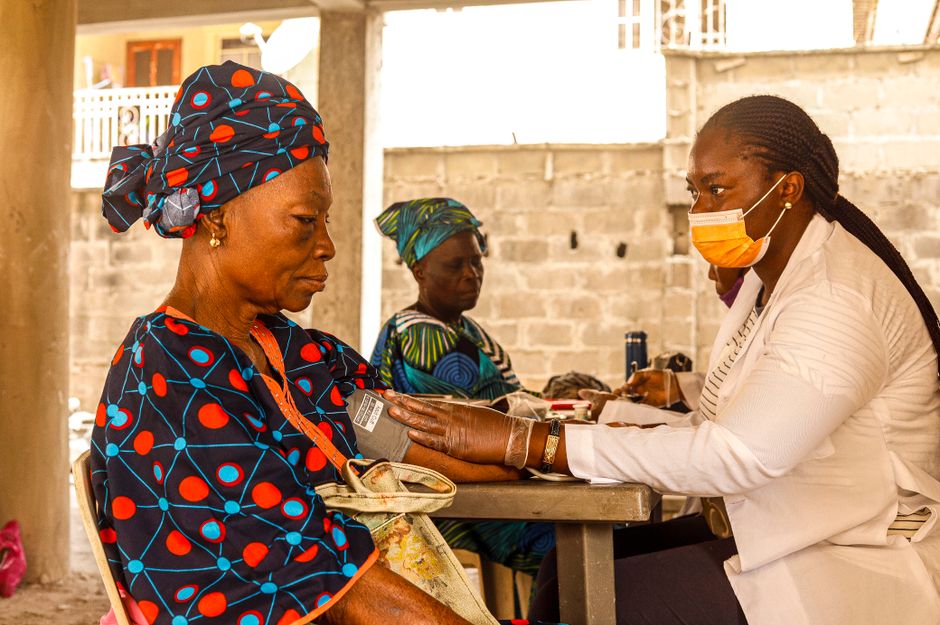
Discussions at an HIV science conference in Rio de Janeiro have drawn renewed attention to a growing concern in global health: climate change is increasingly undermining efforts to control HIV across Africa. Researchers and advocates warn that the same communities most affected by HIV are also among the most exposed to the consequences of a warming planet, creating overlapping crises that demand coordinated responses.
A Compounding Crisis
Public health specialists have long pointed out that the drivers of vulnerability to HIV, including poverty, displacement, food insecurity, and limited access to healthcare, are the same factors that leave communities exposed to extreme weather and environmental stress. As climate-related events such as floods, droughts, and heatwaves become more frequent and severe, they can disrupt health systems, displace populations, and make consistent access to antiretroviral therapy more difficult.
Disrupted Treatment and Health Systems
When clinics are damaged by storms or cut off by flooding, patients may face interruptions in their treatment regimens. Interruptions of antiretroviral therapy can compromise viral suppression, increasing both individual health risks and the likelihood of onward transmission. Climate-driven disruptions can also strain laboratories, supply chains for medicines, and the ability of community health workers to reach patients in remote areas.
Food Insecurity and Vulnerability
Nutrition plays a critical role in the health of people living with HIV, and climate change is reshaping food security across much of Africa. Crop failures linked to erratic rainfall and prolonged droughts can push households deeper into poverty, making it harder to afford transportation to clinics, nutritious food, or the costs associated with ongoing care. Malnutrition itself can weaken immune systems, compounding the effects of the virus.
Calls for Integrated Responses
Participants at the Rio conference have urged governments and donors to integrate climate adaptation into HIV programming. Recommendations reportedly include strengthening health infrastructure to withstand climate shocks, expanding mobile and community-based treatment options, and ensuring that humanitarian responses to climate-related disasters incorporate continuity of HIV care. The message emerging from the conference is that climate change is no longer a distant concern for HIV programs; it is an immediate operational threat.
As Africa faces the dual pressures of a changing climate and ongoing public health challenges, the intersection of these crises will shape the trajectory of the HIV response for years to come. Recognising this overlap, experts argue, is the first step toward building systems capable of withstanding both.
Source: AllAfrica — read the original report.